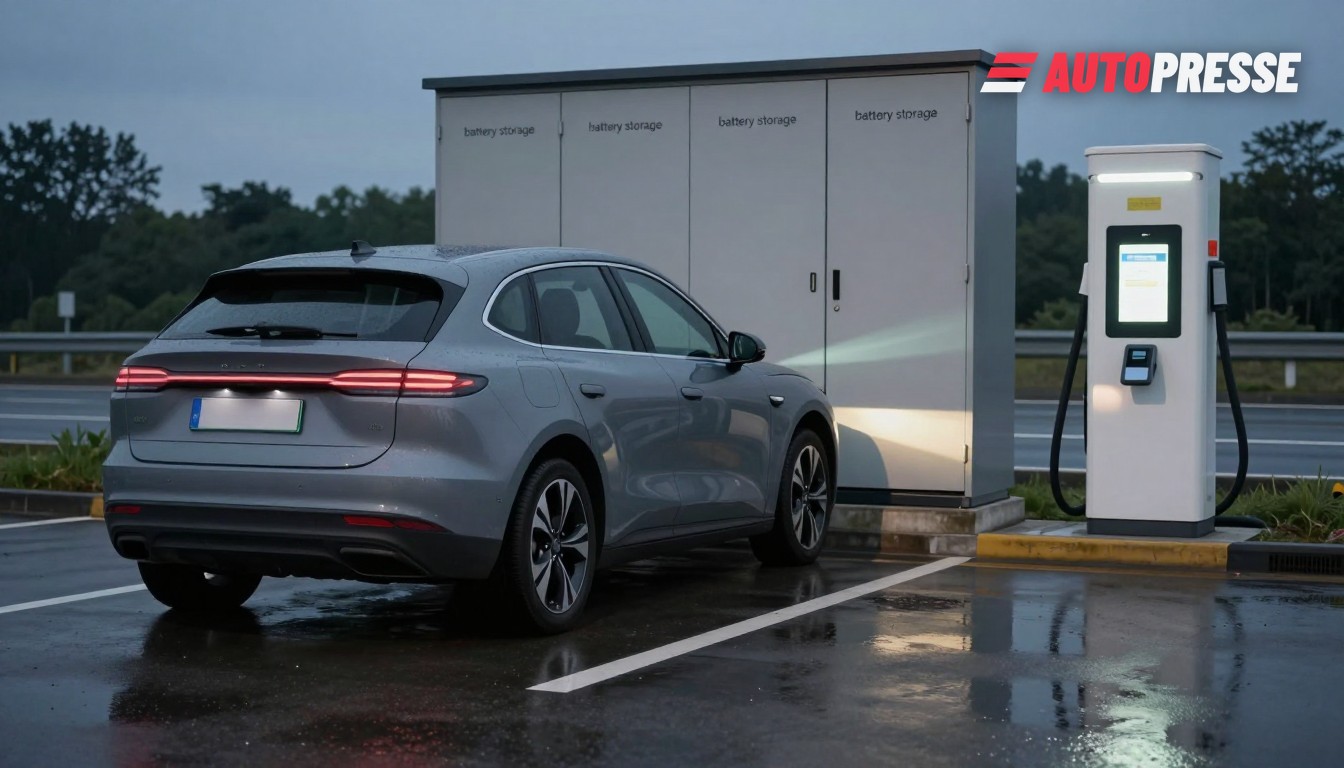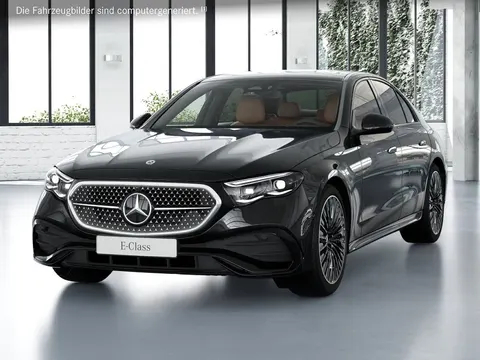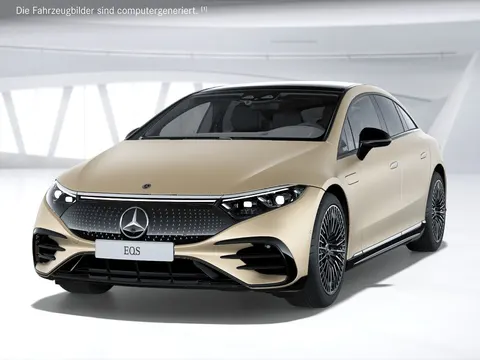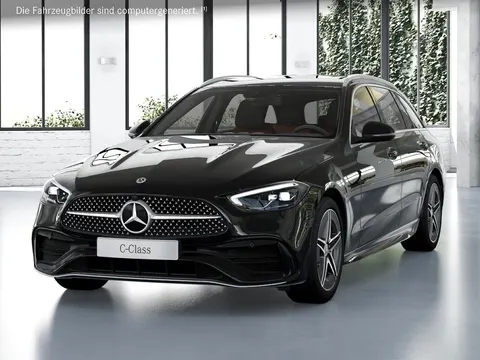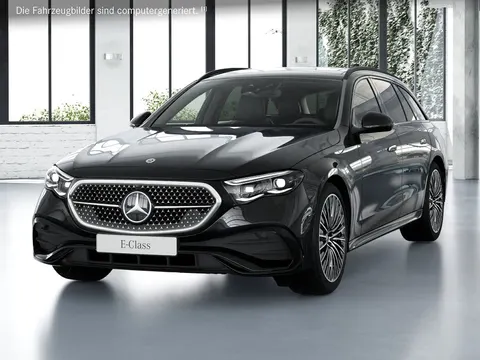
The pace of electric‑car technology in Germany has moved from promise to immediate product choices this autumn: Mercedes‑Benz is preparing a point‑to‑point assisted‑driving package that will be orderable in the first half of 2027, while Volkswagen has started rolling an OTA update (ID Software 3.9.1) that brings manual battery pre‑conditioning and thermal‑management fixes to older ID models. Both moves affect drivers, dealers and service operations across Germany — and, by extension, Austria as EU regulatory alignment eases cross‑border launches.
Mercedes: point‑to‑point assist goes live in Germany
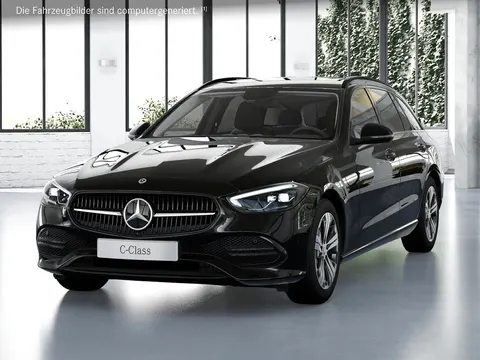
On 21 October 2026 Mercedes‑Benz announced MB.DRIVE ASSIST PRO, a point‑to‑point SAE Level‑2 system developed with NVIDIA that the company says will be orderable in Germany from the first half of 2027; an initial rollout to selected customers in Stuttgart and Munich is planned from the end of 2026. The system uses a multi‑sensor stack (Mercedes lists 27 sensors: ten cameras, five radars and twelve ultrasonics) and a high‑performance in‑vehicle computer to assist drivers from start to destination — including lane changes, turning at junctions and handling complex urban scenarios. Mercedes highlights UN R171 as the harmonised regulatory pathway that will let it expand availability across EU markets once approvals are in place.
VW: an OTA for older IDs — battery pre‑conditioning and stability fixes
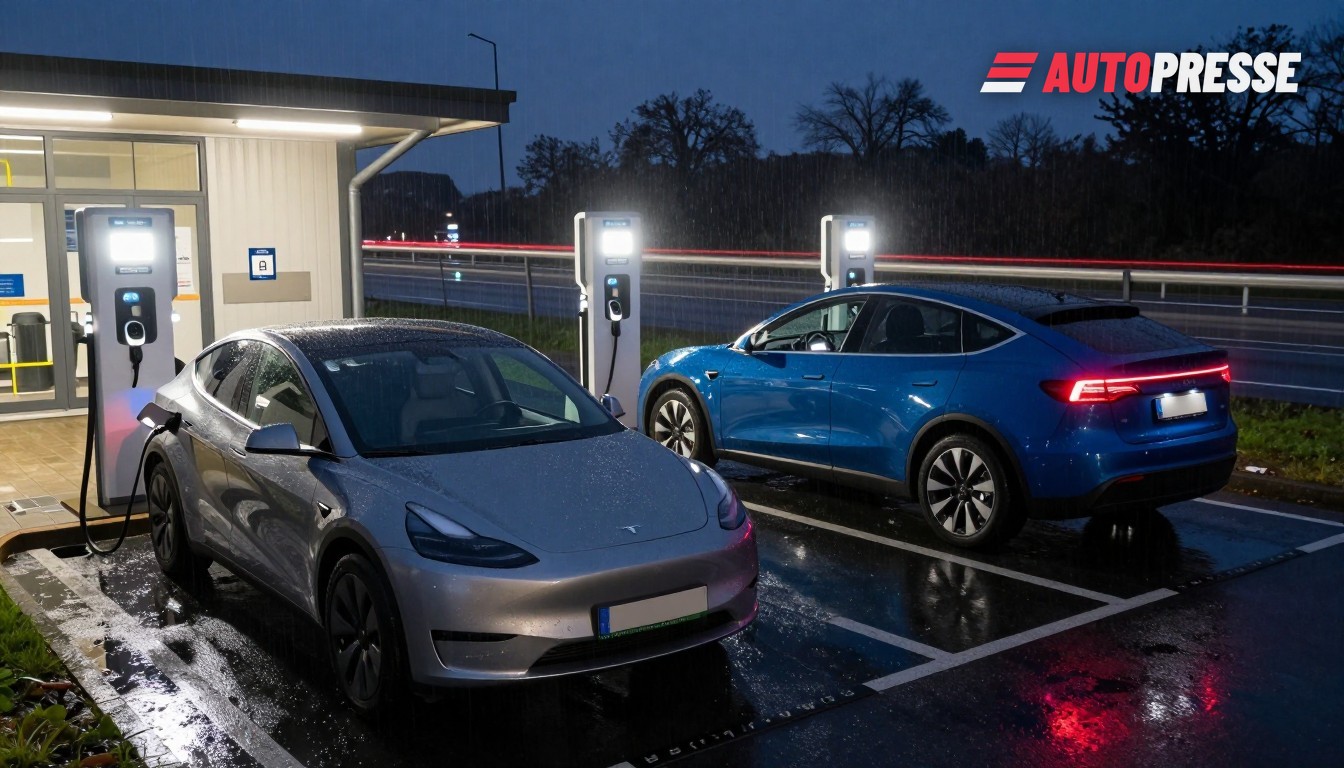
Volkswagen has begun distribution of ID Software 3.9.1 as an over‑the‑air update aimed at vehicles on the 3.x software generation (earlier ID.4/ID.5 built before October 2023, many ID.3s up to 2024 and early ID.Buzz units). The update adds a manual battery pre‑conditioning control for DC fast‑charging, adjusts thermal management to better match driving behaviour, improves AC and PV surplus charging reliability and tightens battery‑self‑discharge monitoring. Volkswagen states the rollout requires an existing 3.7 base and a VW Connect/We Connect contract; installation requires at least a 50% state of charge and the update is a prerequisite for future OTAs.
What this means for the market
Drivers: Owners of qualifying VW ID models gain tangible charging gains without a workshop visit — a clear value boost for earlier adopters and a concrete improvement in winter charging performance on DC fast chargers. Mercedes owners (and prospective buyers) face a new optionality: a factory‑engineered, UNECE‑aligned assisted drive that can be enabled OTA for equipped vehicles, delivering feature upgrades without hardware swaps.
Dealers & workshops: OTAs shrink some dealer workload (software distribution, feature activation) but raise the bar for support: dealers will need to coordinate OTA consent, ensure vehicles meet SOC/install prerequisites and handle edge cases when updates fail. Mercedes’ pre‑launch trials in Stuttgart and Munich will give local dealers early exposure to customer onboarding and training for SAE‑L2‑plus functions.
Employees & suppliers: Software features that retrofit older cars extend product lifecycles and shift value from hardware to continuous‑service models, pressuring suppliers to deliver robust validation, cybersecurity and regression testing for legacy ECUs. For fleet managers in Germany and Austria, these developments change residual‑value math: cars can gain new capabilities post‑purchase, while warranty and service processes must adapt to more frequent, safety‑relevant software changes.
In short, late‑2026 shows two converging trends for the German‑language market: more ambitious driver assistance arriving under existing safety rules, and OEMs using OTA to bring meaningful energy and charging improvements to earlier EVs — moves that will reshape buyer expectations, dealer operations and software testing demands across Germany and Austria.
Mercedes-Benz electric models on WorldTrader24 →
Sources: Mercedes‑Benz Group, electrive.net, Volkswagen Group press materials