Germany’s seaports and Austria’s inland terminals are holding service levels even as the freight system strains under tighter roads, insurance shifts and labour gaps — a squeeze that matters to carmakers, suppliers, dealers and fleet operators across the DACH region.
Ports and inland links stabilise throughput
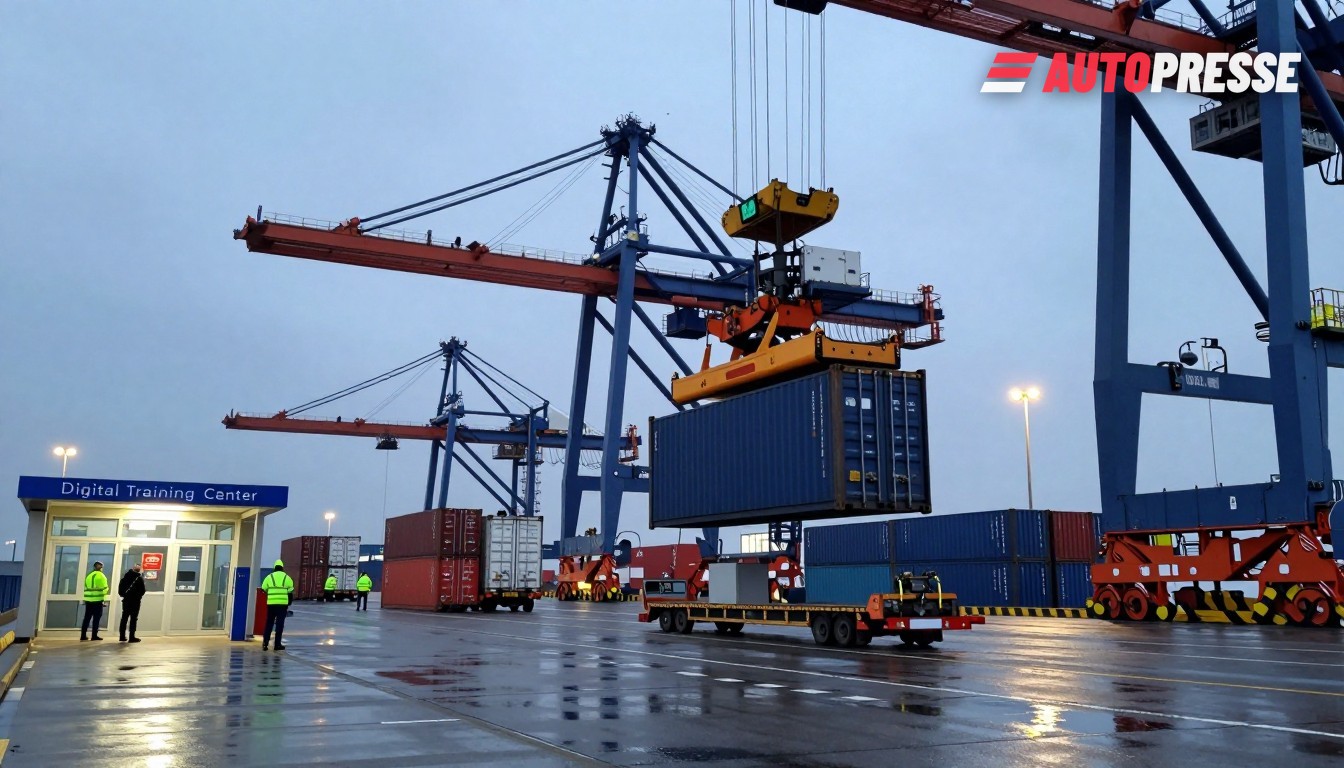
Bremerhaven reported a stronger first half of 2026 with around 29.2 million tonnes handled from January to June — up 5.3% on the same period in 2025 — and German ports are investing in rail and hinterland capacity to keep vehicle and parts flows moving.
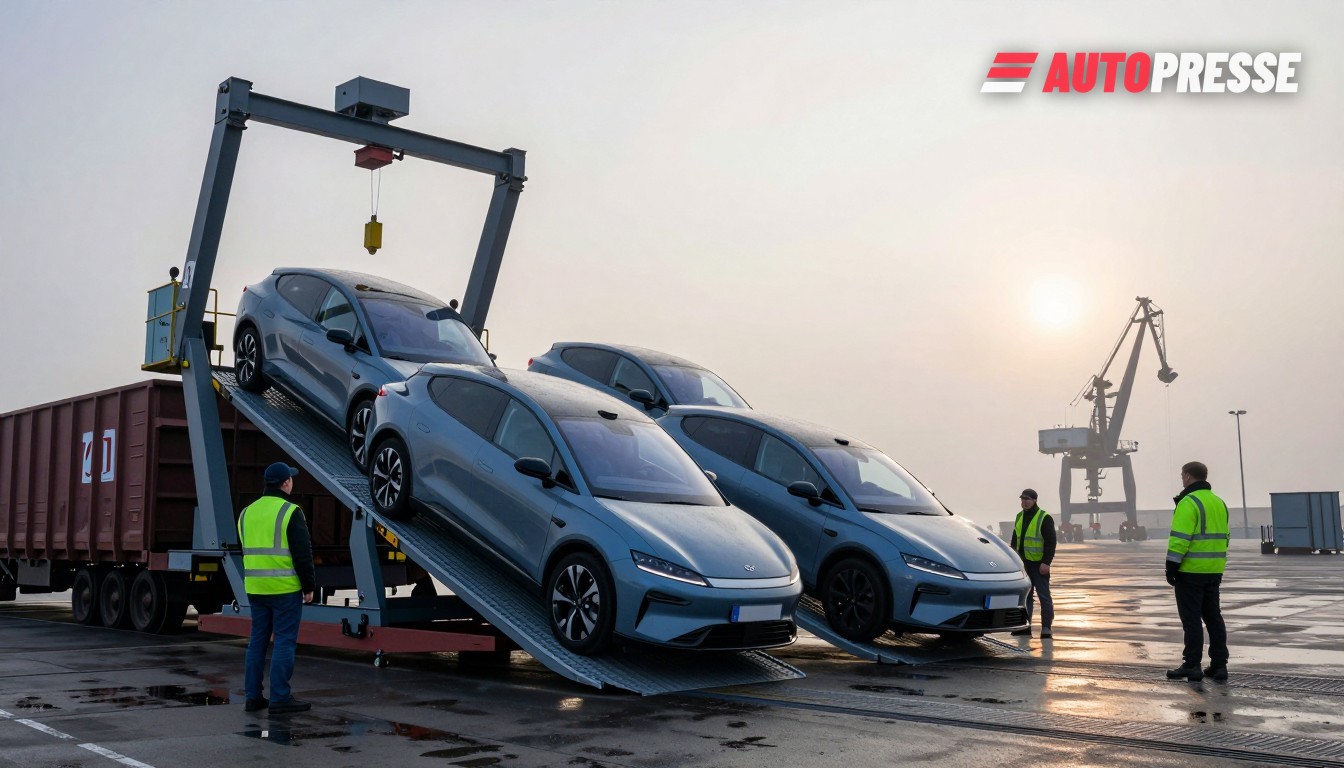
The Association of European Vehicle Logistics’ 2026 top‑ports data shows a mixed picture for car terminals: some hubs held volumes steady while others shifted market share — Rostock recorded a 9% year‑on‑year jump in Ro‑Ro activity in the latest ranking. Those shifts are driving more pre‑booked rail and barge slots to smooth deliveries to inland factories and distribution centres.
Road limits and insurance reshape modal choice
Airfreight operators and exporters increasingly warn that Europe’s air‑cargo chain is only as resilient as its road network: without available trucks and drivers, airfreight corridors become bottlenecks for priority spare parts and high‑value components. The Frankfurt Airport Community Conference underlined that trucking capacity — not airport wingspace — is the critical constraint today.
At the same time the commercial marine insurance market shows a complex picture: hull and cargo lines have generally softened in 2026, but protection & indemnity (P&I) exposure from vessel incidents has kept some reinsurance and excess layers tighter, prompting logistics buyers to review routing and policy structures for high‑value car shipments. Logistics CFOs are now weighing route diversification, annual underwriter programmes and stronger loss‑prevention clauses as part of tender renewals.
Road capacity and personnel remain the wildcard. Market reports for Q2 2026 flag limited freight space and persistent driver shortages across Europe — a structural constraint that is particularly visible in DACH because Germany and Austria sit at the heart of continental automotive flows. Operators report constrained planning windows and higher spot charges when last‑mile trucks are scarce.
What this means for the market
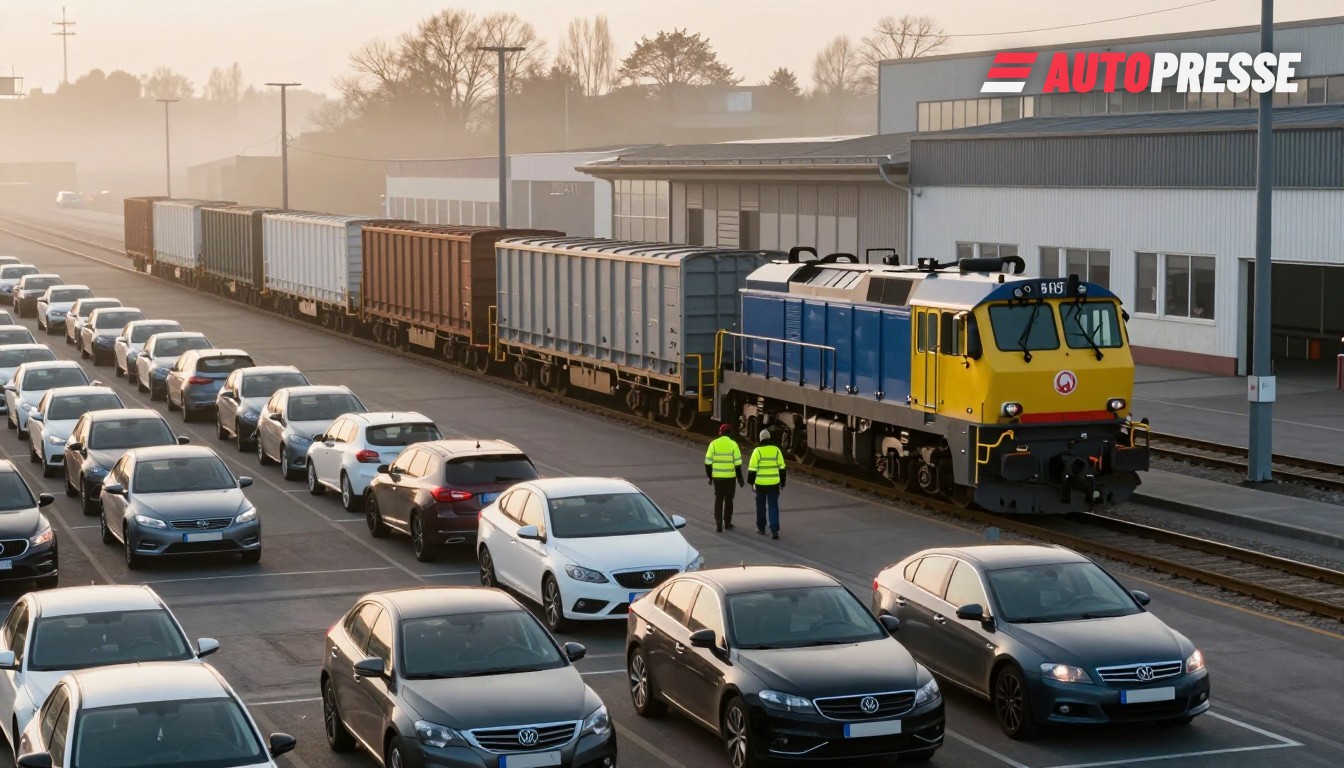
Short term, carmakers and parts distributors will continue to hedge: contracting more rail and barge capacity, pre‑booking annual insurance programmes, and using freight‑exchange tools to match loads more tightly to available trucks. Medium term, expect more investment in inland terminal capacity, real‑time track‑and‑trace and multi‑modal ‘release’ planning that reduces reliance on last‑mile truck spot markets.
For dealers and fleet managers in Germany and Austria the immediate effect is practical: slower, more expensive emergency spares deliveries on spot days; more predictable lead times for bulk shipments that use pre‑booked rail or barge; and insurance or freight‑surcharge line items appearing more often on invoices.
B2B vehicle listings on WorldTrader24 →
Sources: Bremenports, Air Cargo Week, B. Brown Market Trends, ECG Association, ELVIS Marktreport, Port of Hamburg