Germany and Austria’s supplier map is changing fast: connector and harness production is being pulled back from legacy German factories even as Austrian engineering and parts firms invest heavily in automation and capacity. The shifts matter to drivers (availability and price of parts), dealers (service lead times), and local workforces facing both layoffs and new high‑tech openings.
Germany: production pulled back as cost pressures bite
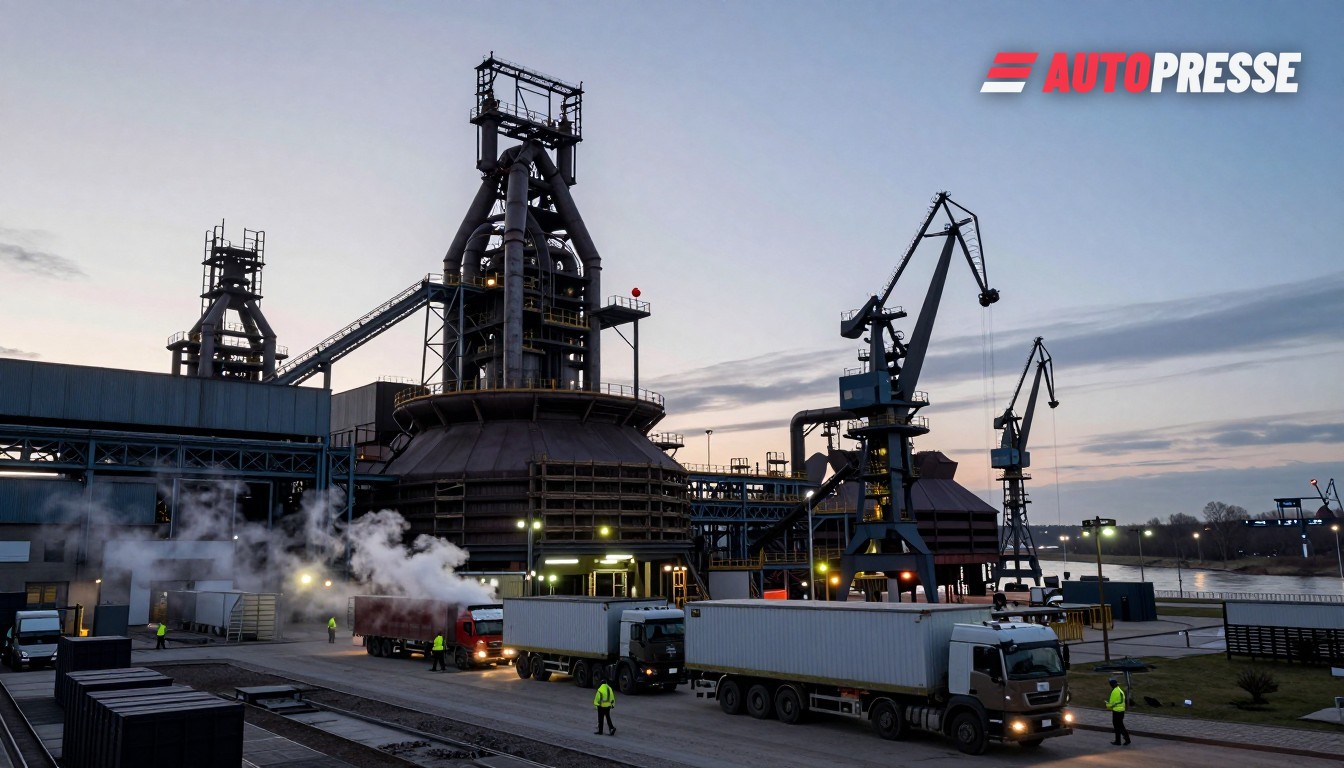
TE Connectivity will wind down production at its Speyer site, with the city reporting that operations there will be phased out by December 2028. The move will affect roughly 630 production jobs; about 140 roles in engineering and administration are to remain on site. TE told local authorities the decision responds to “an increasingly challenging market environment in the automotive sector.”
The closure in Speyer is part of a broader pattern: global connector and component suppliers are consolidating and shifting production toward automated hubs or lower‑cost regions while keeping R&D and engineering in Europe. TE’s own news feed shows continued product and technology investment even as some plants are re‑positioned.
Austria: investment and engineering hire‑ups
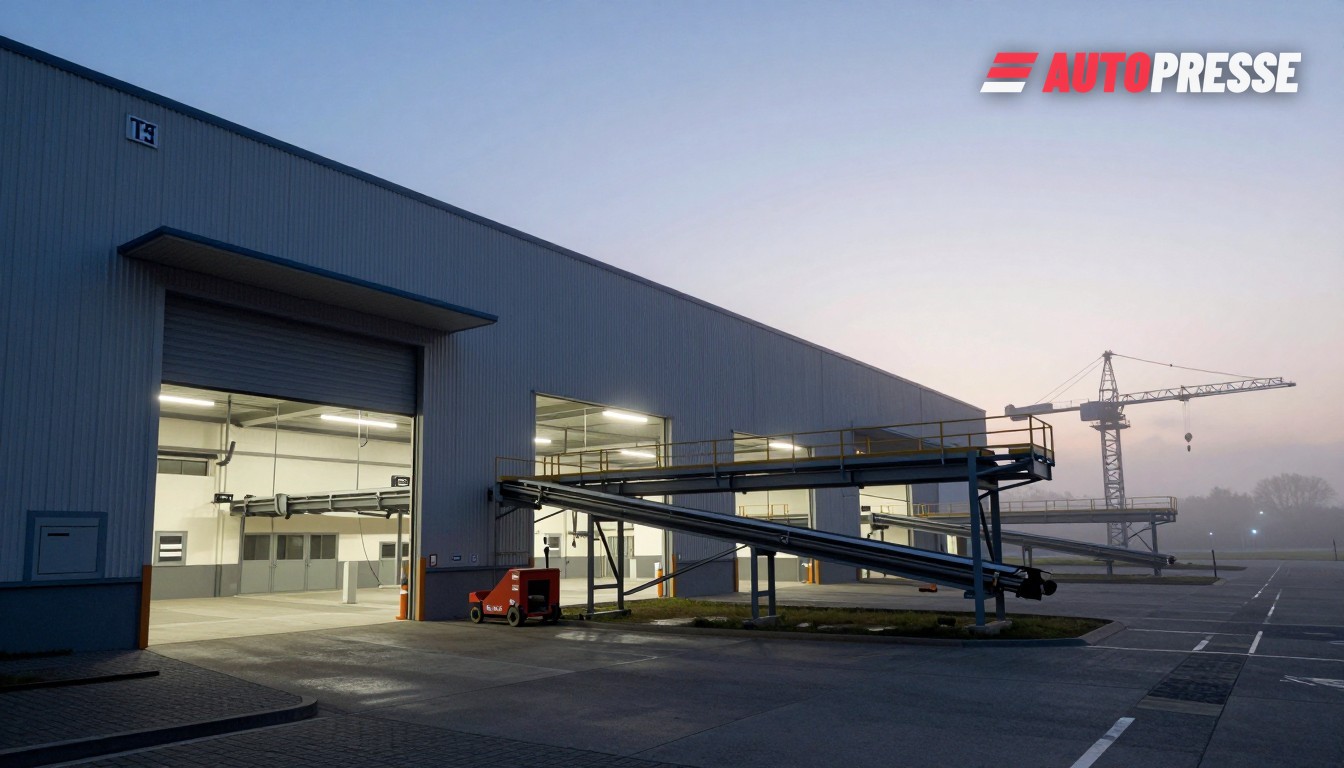
By contrast in Austria, contract‑tier and engineering firms are expanding automation and capacity. FACC — an Austrian aerospace supplier — reported H1 2026 revenue of €526.3m and an EBIT of €25.3m, with free cash flow of €48.9m; the company plans a €350m investment programme through 2030 that includes a €120m automated Austrian facility due to start in 2028. Those figures underline how some Austrian suppliers are using cash flow to industrialise and automate local production.
AVL, the Graz‑based engineering and test group, has also re‑aligned management and strengthened its Instrumentation & Test Systems unit as it pursues global test, simulation and software work from Austria. AVL’s June 24, 2026 press release named a new COO for ITS and described the changes as part of a wider transformation to safeguard engineering jobs and services.
What this means for the market
For OEMs and purchasing: expect a continued premium on locally‑qualified electronic components and longer qualification lead times as series suppliers re‑tool or relocate. Procurement teams will need to balance cost, capacity and qualification risk — especially for connectors, charging inlets and high‑voltage assemblies where safety certification is burdensome. The TE Speyer phase‑out signals faster centralisation of discrete connector production, while Austria’s automation push shows how suppliers with healthy cash flow (FACC) or specialised engineering (AVL) are trying to capture higher‑margin, technology‑intensive work.
For workers and local economies: job losses in German production towns will be acute but predictable; the Speyer timetable (phase‑out to Dec 2028) gives time for adjustment and local mitigation, yet the scale (≈630 production roles) is material. Austria’s investments — a planned €120m automated facility and management hiring at AVL — point to more high‑skilled openings, but these frequently require different skills than traditional assembly lines.
For dealers and aftersales: component consolidation could lengthen spare‑parts lead times for some electrical and connector items, and raise replacement costs where alternate sourcing is limited. Dealers should audit critical part supply chains now and plan stock or alternative repair procedures for high‑risk parts.
B2B vehicle listings for dealers on WorldTrader24 →
Sources: SWR, TE Connectivity, Investing.com (FACC), AVL List