Germany and Austria are seeing a new phase in vehicle and component flows: tighter EU customs, longer port dwell times and continued rail‑network strain are changing how cars, parts and after‑market goods move across both countries. That affects dealers, fleet operators, logistics teams and the technicians who wait for late arrivals.
Customs reform raises the operational bar
Brussels has reworked EU customs rules this year to modernise controls, close the historic low‑value exemption and introduce a handling fee for small parcels — measures scheduled to start being applied by member states from 1 November 2026 — increasing paperwork and cost for many low‑value imports arriving in Germany and Austria. The Council says the reform is designed to better tackle non‑compliant or unsafe goods and to fund the extra processing of the booming e‑commerce parcel stream.
Ports, dwell and the China effect
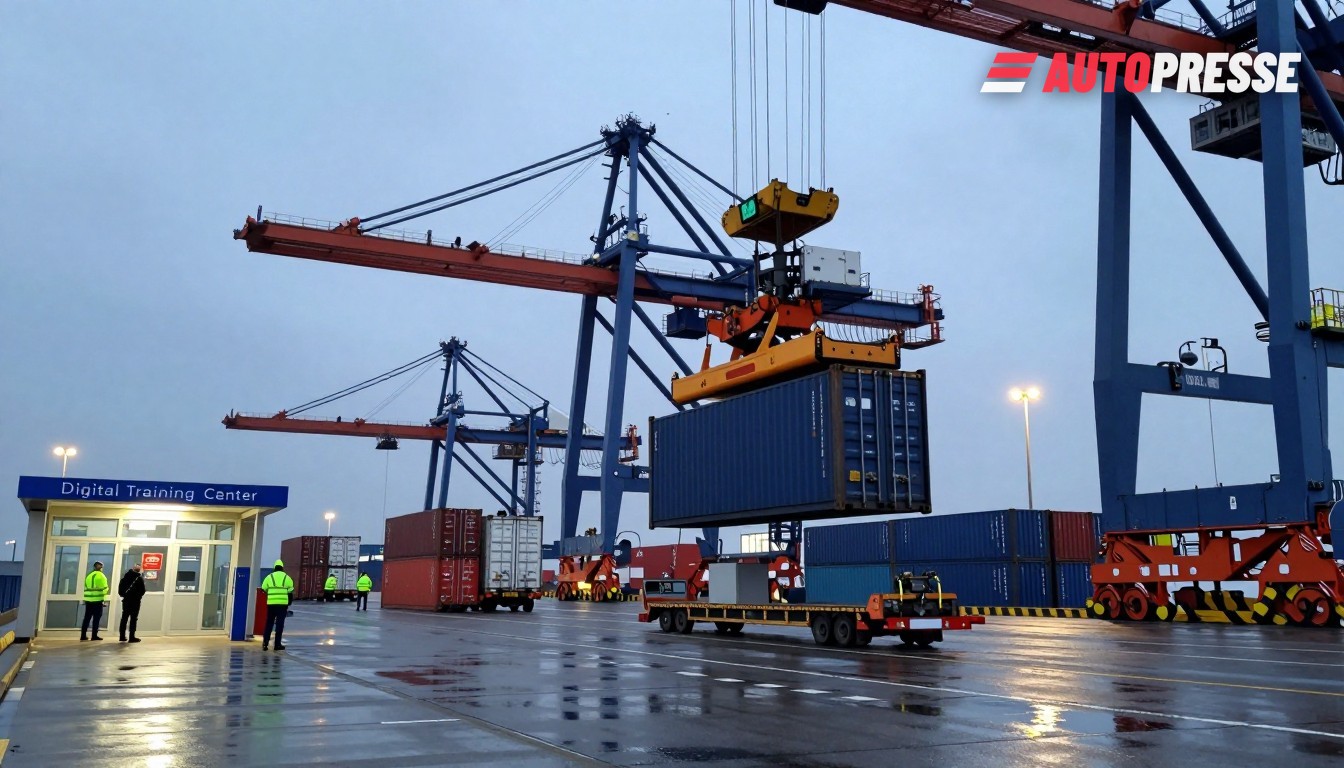
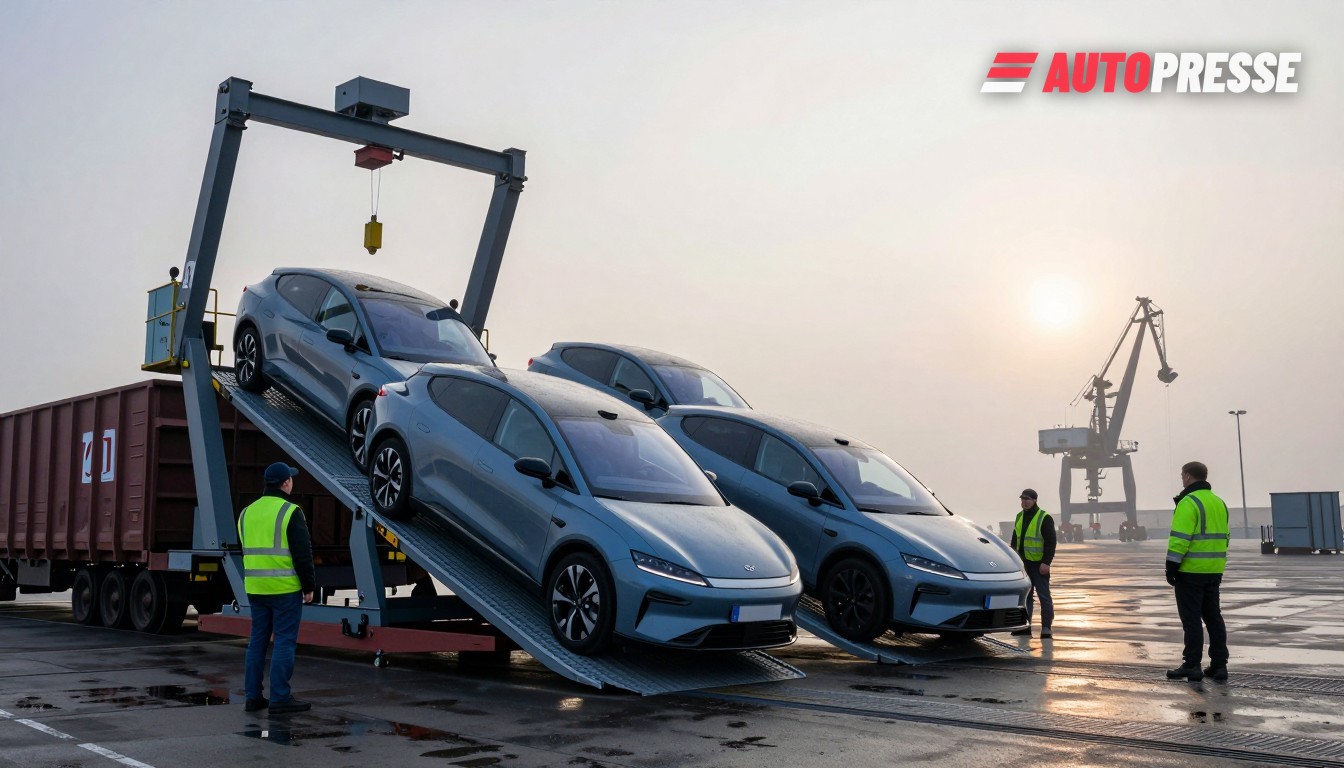
European ports handling cars have shifted into a "dwell economy": longer storage and slower cycles are now a structural factor rather than a temporary spike. Port analysts and terminal operators report that dwell times rose through 2025 as tariff uncertainty, higher inspection rates and re‑routing from Asia changed vessel patterns — trends that play out acutely in German hubs such as Bremerhaven, which handled roughly 1.25 million vehicles in 2025 but now faces more complex flows and longer on‑quayside times. Those longer stays push costs up for importers and fleet operators and complicate just‑in‑time parts flows for suppliers in both countries.
At the same time, ports and terminal operators have been retooling: German terminals such as BLG’s Bremerhaven facilities are investing in cranes, straddle carriers and inland terminal links to cope with different trade lanes and larger Chinese vehicle volumes. That investment is realigning where European carmakers and importers choose to land new‑build BEVs and CKDs.
Rail strain and rising access costs
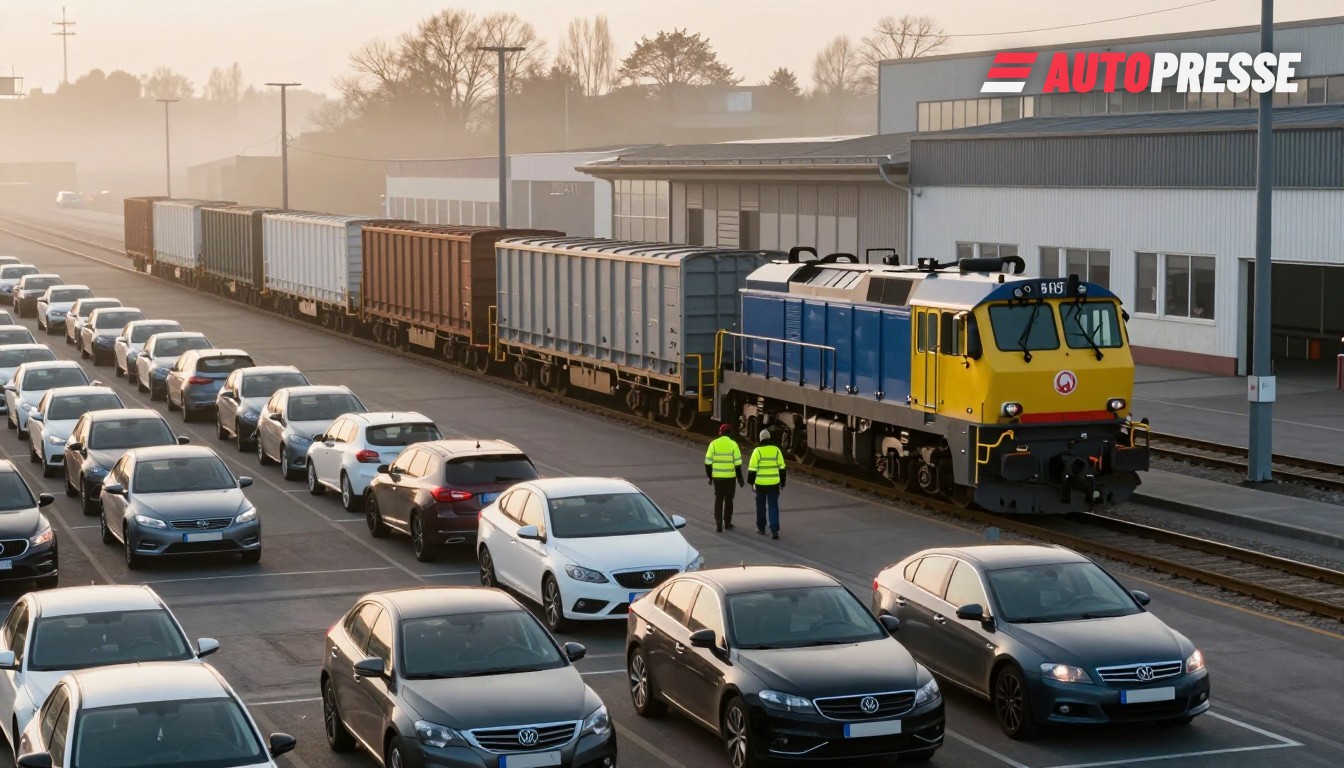
European combined transport faces worsening conditions as heavy engineering work across Germany and rising track access charges tighten margins for intermodal operators and for cross‑border services that Austria depends on for Italy and Central Europe. Freight associations warn that capacity bottlenecks, network maintenance and higher charges are reducing the competitiveness of rail for many flows — even as Austria reports a modest rail freight recovery, with 96.2 million tonnes moved in 2025, up 1.8% year‑on‑year.
What this means for the market
Short term, expect higher landed costs for small imports and longer lead times for vehicle deliveries and parts. Dealers and fleet managers should budget for longer delivery windows and potential storage or demurrage fees; suppliers must plan buffer inventory or alternative routing. Mid‑term, ports that invest in handling capacity and inland links (notably Bremerhaven) will attract more direct calls and serve as regional hubs — but only if rail operators and infrastructure managers stabilise access and punctuality. Austrian shippers relying on Brenner and north‑south rail corridors should watch capacity announcements closely: small shifts in track access policy or maintenance schedules will materially alter cost and transit time.
WorldTrader24 B2B vehicle marketplace for dealers →
Sources: Consilium (Council of the European Union), Ship2Shore, Automotive Logistics, Statistics Austria, ÖBB (Austrian Federal Railways)