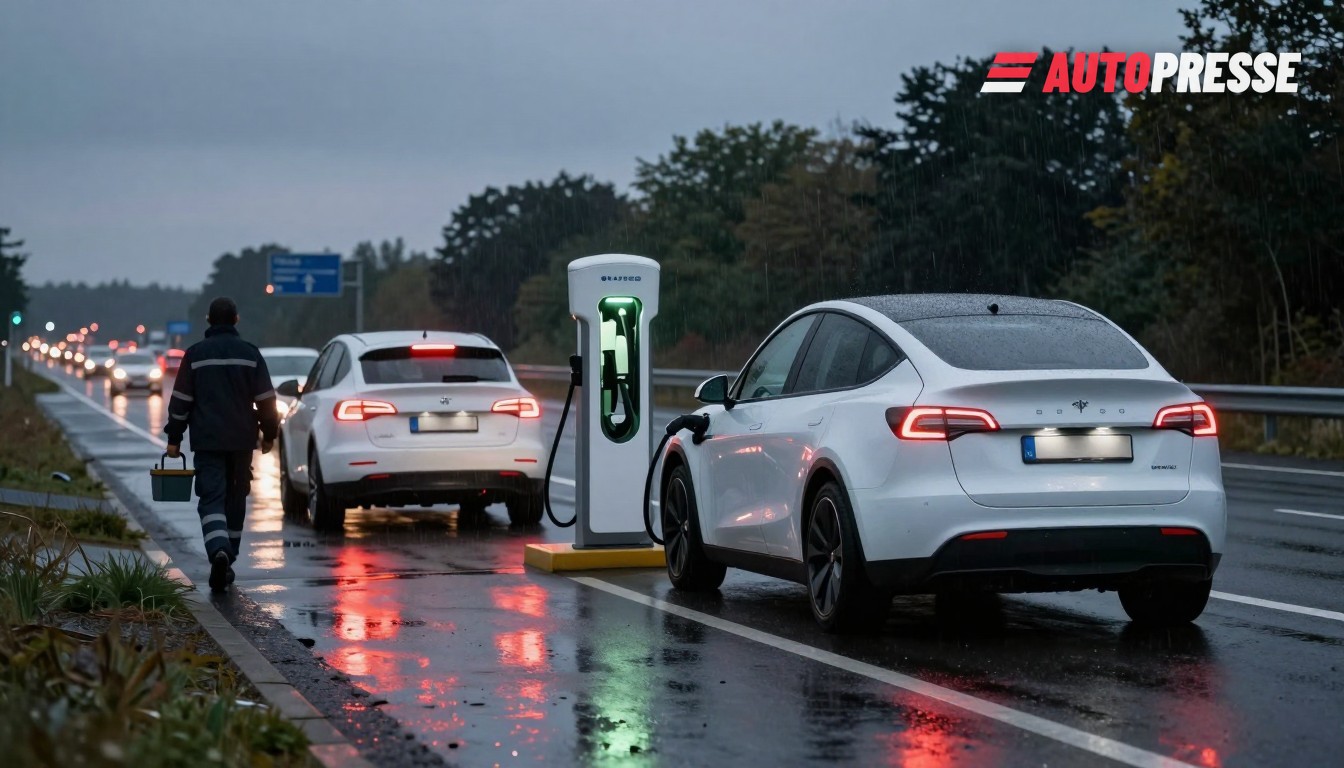
Drivers, fleet managers and dealers in Germany and Austria face a rapidly changing charging map this autumn: networks are rolling out much faster chargers and larger ‘HyperHubs’, shifting long‑distance charging from slow stops to brief pit‑stops. That matters for range anxiety, depot planning and the load on local grids.
Hardware steps up: 480 kW and bigger hubs
Operator EnBW has started a roll‑out of a new generation of High‑Power Chargers (HPC) capable of up to 480 kW and opened a reference 480 kW fast‑charging park in Karlsruhe as a testbed.
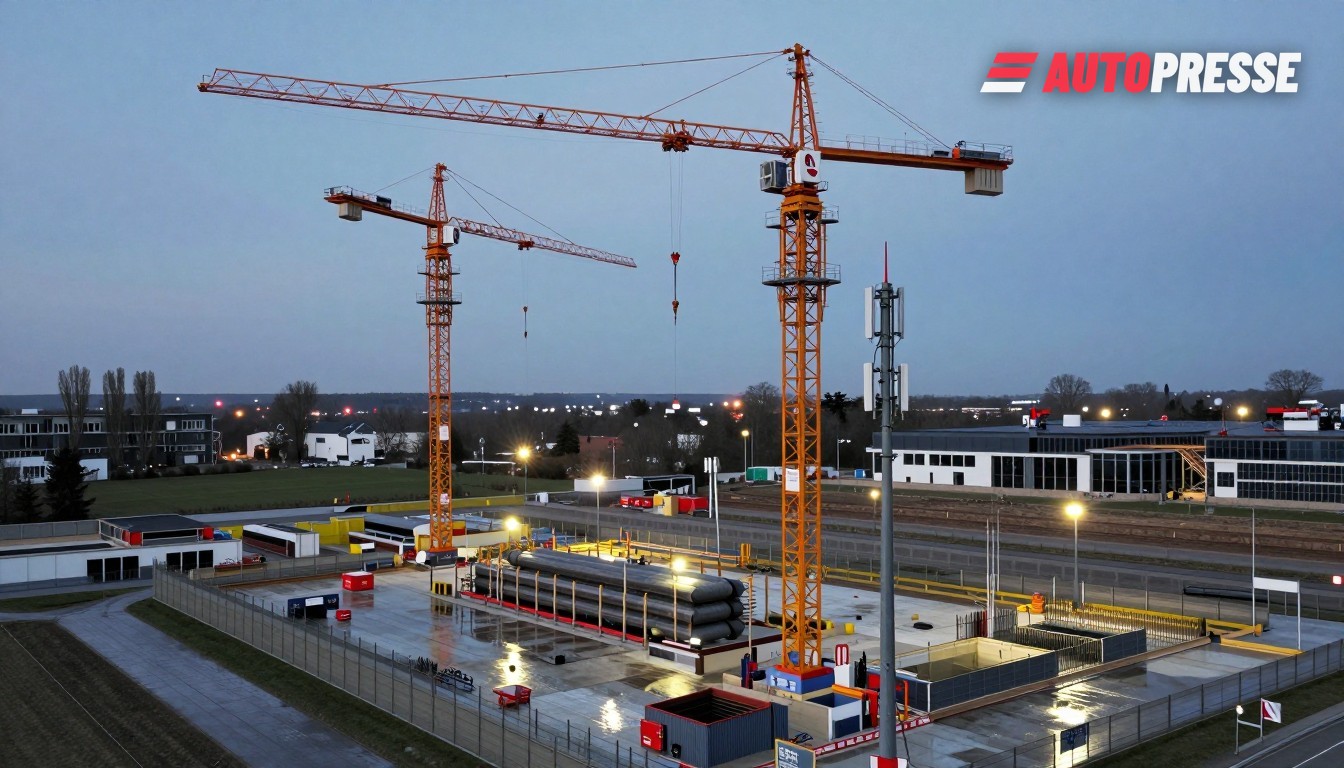
At the same time EnBW plans a string of large HyperHubs for the autobahn network: a new HyperHub at A3 Erlangen‑West is scheduled to enter service "planmäßig Ende November" with 20 HPC points, each delivering up to 300 kW at that site, and the company says the HyperNetz already spans more than 190,000 charge points across DACH.
Meanwhile IONITY marked another capacity milestone in Germany when it opened its 200th location in the country (Karlsruhe) on 7 September 2026; that Karlsruhe IONITY site offers twelve high‑power stalls including Alpitronic units rated up to 600 kW and 400 kW.
Grid, utilisation and business implications
Network operators are preparing for a material rise in electricity demand from HPC sites: EnBW’s October 2026 investor presentation projects electricity demand for high‑power charging rising from about 2 TWh today to roughly 6 TWh by 2030 (company slide). It also forecasts BEV parc growth scenarios that underpin that load.
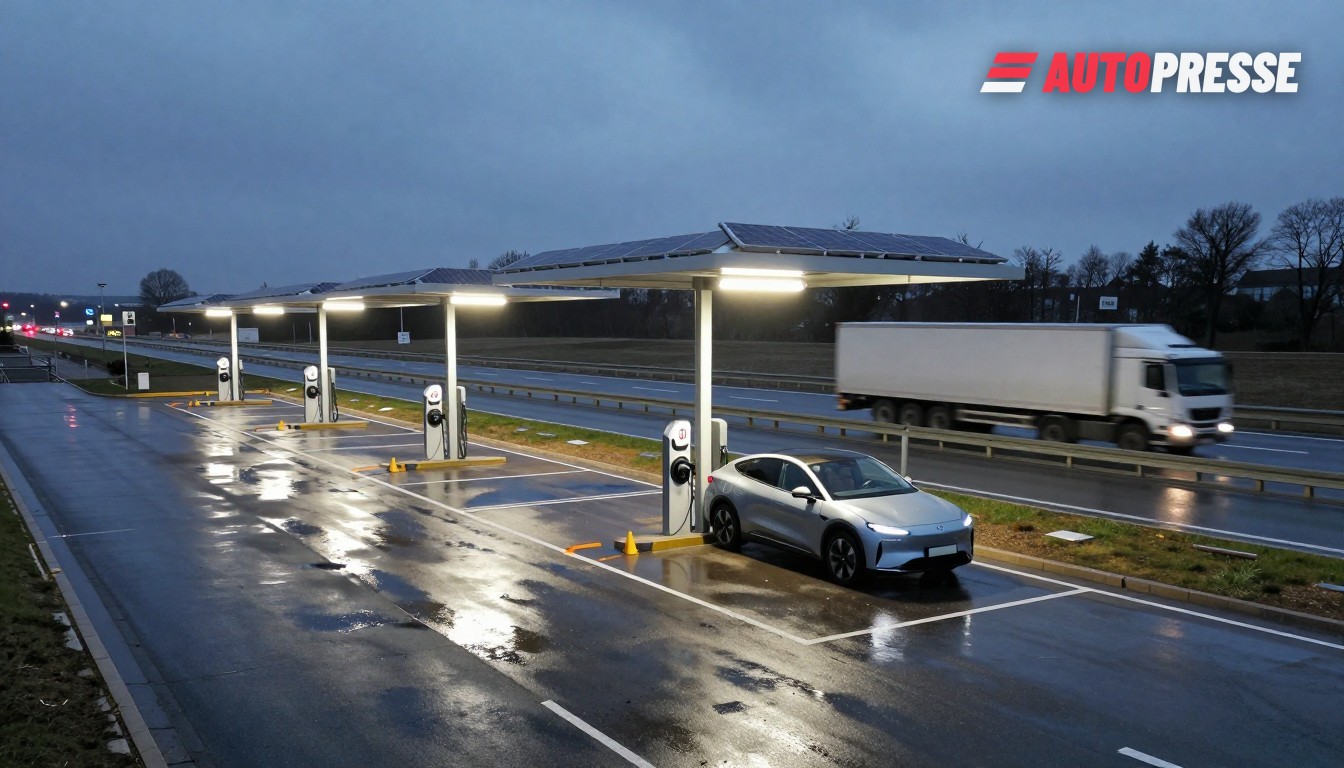
Operators are pairing high output with local renewables and storage at hubs: the Erlangen HyperHub will use a rooftop photovoltaic installation (peak ~37 kW) and EnBW says all its public sites are supplied with 100% green electricity. That combination reduces marginal grid stress and improves the carbon balance of fast charging.
What this means for the market
First, travel patterns change: 300–600 kW stations cut typical motorway charging stops to minutes, not half‑hours, altering how dealers advise customers and how fleets schedule routes. EnBW highlights that at its 300 kW HyperHubs drivers can add enough energy for roughly 100 km in about five minutes, depending on vehicle.
Second, site economics and grid planning become central. Network operators are investing in larger, fewer sites — a model that favours service‑area operators, supermarkets and transport nodes willing to host and co‑fund HyperHubs. Operators’ forecasts of multi‑fold BEV growth and 2→6 TWh HPC demand by 2030 mean grid reinforcement and energy contracts will determine roll‑out speed.
Third, competition between networks matters for coverage and vehicle compatibility. IONITY’s 200th German location, with chargers up to 600 kW, shows OEM‑backed networks continue to push peak power while EnBW focuses on dense HyperHub coverage and integration with retail sites across Germany and neighbouring Austria.
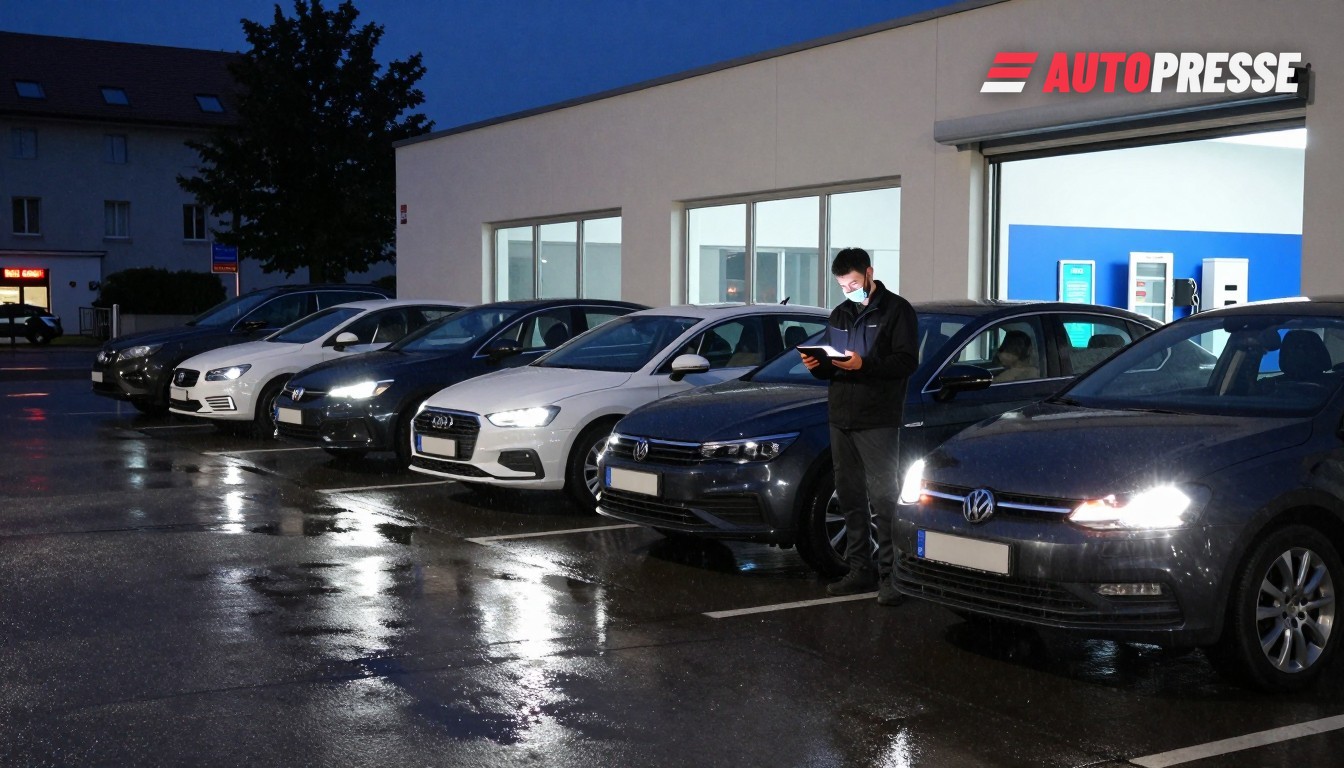
For drivers in Austria the practical effect is better cross‑border motorway charging: German HyperHubs and the DACH reach claimed by EnBW shorten the longest gaps on routes to and from Austrian gateways. Operators will still need to coordinate payments, roaming and peak‑time pricing to keep chargers reliable and affordable for private buyers and fleets alike.
B2B vehicle marketplace for dealers on WorldTrader24 →
Sources: EnBW press releases & investor presentation, IONITY report (via EV‑Route).