October’s surge in battery‑electric vehicle (BEV) registrations in Germany and a parallel record in Austria have shifted the conversation from raw production volumes to software, data and network readiness — and that matters to drivers, dealers and plant workers alike. Faster OTA rollouts, rising public‑charging capacity and new government campaigns mean buyers see better value; dealers and workshops face software and cybersecurity questions; suppliers must deliver compute, sensors and fast‑charging hardware at scale.
Sales and infrastructure at a glance
Germany recorded a record share of BEVs in new‑car registrations in October 2026: 37.0% of new passenger cars were battery‑electric, according to the KBA summary reported with month‑end tables. That represents 94,086 new BEVs in October and underlines a sustained monthly rise through 2026.
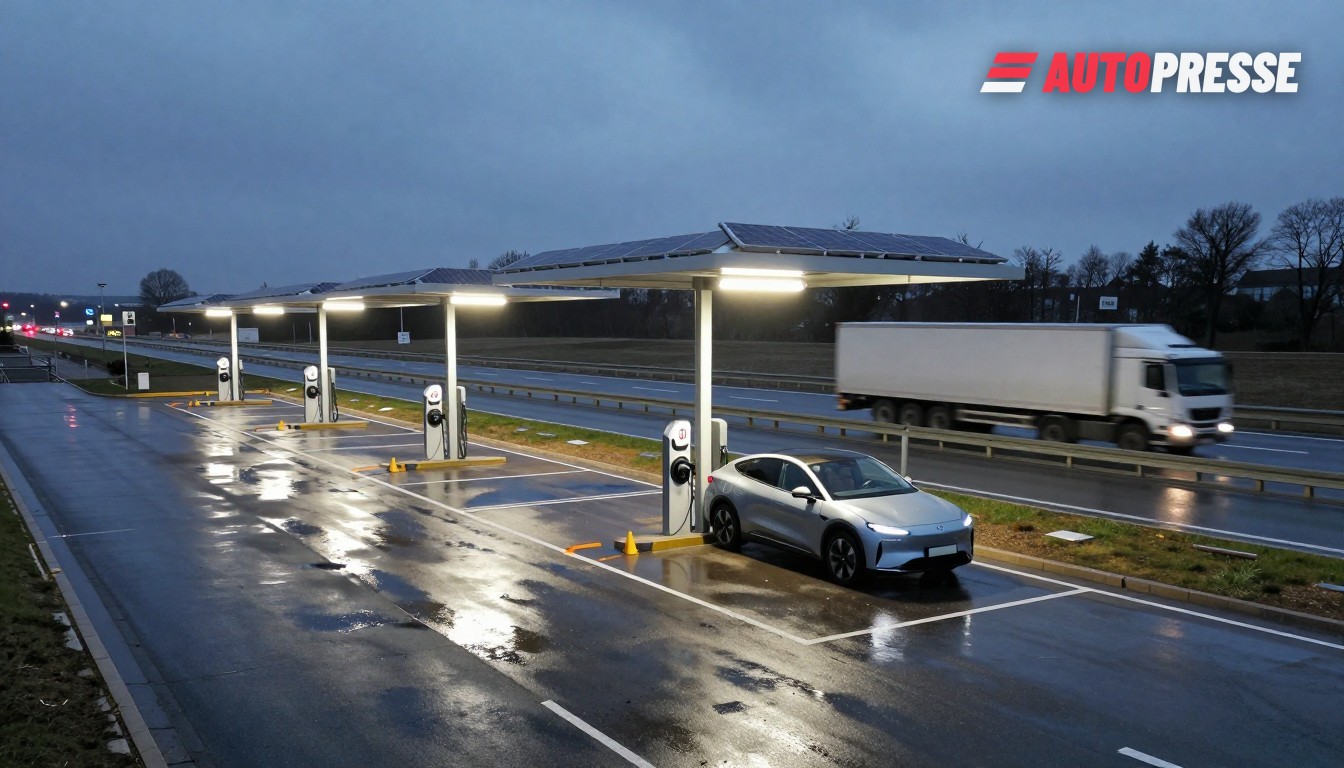
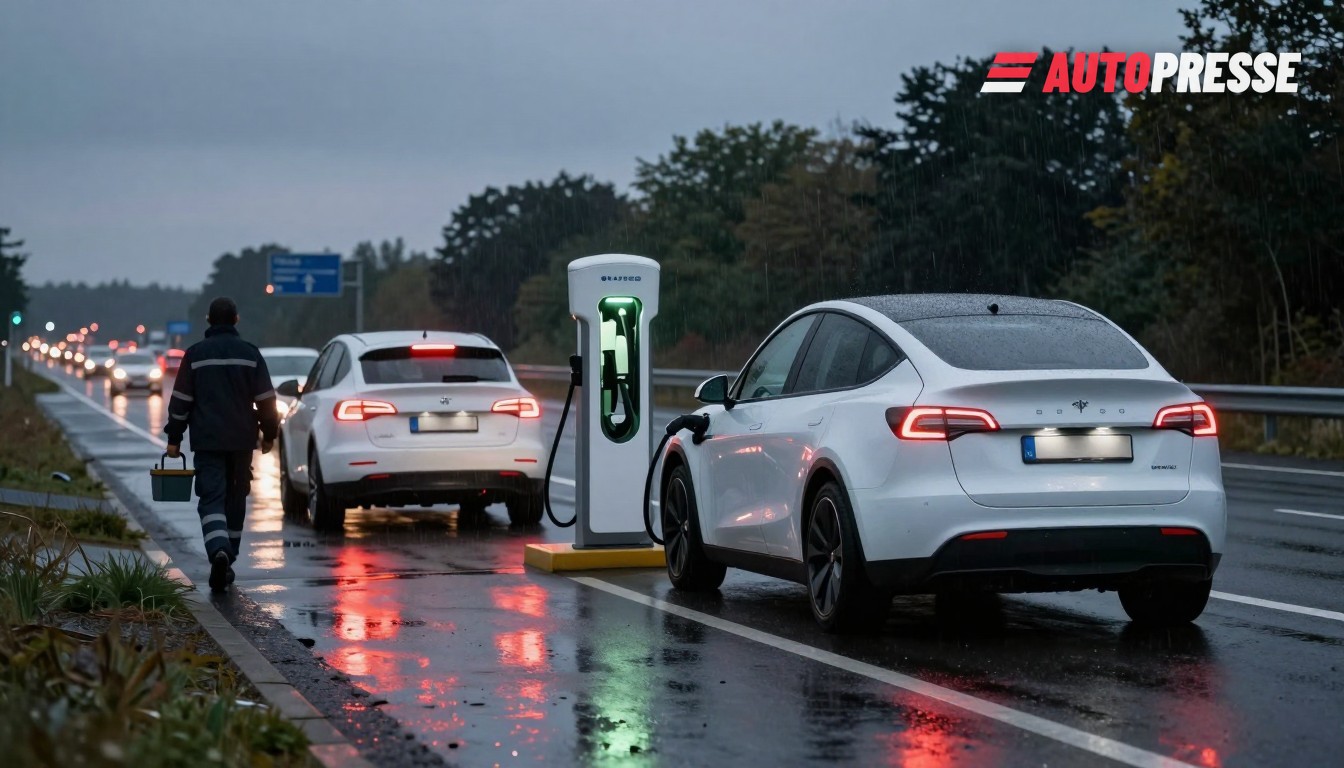
Public charging has grown but remains uneven. The Bundesnetzagentur’s Ladesäulenregister listed 160,376 normal (AC) charge points and 57,737 fast (DC) charge points in operation on 1 October 2026, with total concurrent capacity reported at around 9.57 GW. The register and daily list let planners and operators check gaps by region.
In Austria the federal ministry reported a new high in September 2026: 9,723 newly registered BEV passenger cars and a BEV share of 33.6% of that month’s new‑car market; the ministry also states Austria has passed the 40,000 public charge‑point mark as it pushes eMOVE Austria measures to make charging more practical. Those figures show Austria following but not simply copying Germany’s pattern: strong uptake, concentrated infrastructure efforts and explicit public information campaigns.
Software, OTA and data — the new battleground
Manufacturers are now delivering features and fixes over the air on a large scale. OEM evidence and parliamentary filings show millions of vehicles in Germany already accept OTA updates: BMW alone reported OTA reach in excess of 9 million OTA‑capable vehicles in its Bundestag submission early 2026, and manufacturers are using OTA to add driver aids and services rather than only hardware changes. Mercedes‑Benz announced a point‑to‑point driving function that will be distributed to eligible vehicles via OTA from 2027, illustrating how new features cross the line from R&D to consumer software product.
But OTA brings responsibilities. DEKRA and other technical bodies have warned that consumer demand for OTA is rising while regulators and test houses flag risks for type approval and safety if updates change vehicle behaviour without clear oversight — a challenge for dealers and workshops that must prove compliance and for insurers that must understand changed vehicle states.
What this means for the market
For drivers: higher BEV choice and more features arriving after delivery mean better running experience, but drivers must keep software current and expect periodic visits for hardware‑linked work (sensors, ADAS calibration). For dealers and workshops: software competence is now as important as mechanical skill — OTA management, secure update procedures and data handling must be part of the sale and service offer. For suppliers and grid planners: expanding fast‑charging rollouts and the need for in‑car compute (sensors, MCUs, power electronics) create immediate demand for chips, power hardware and interoperable charging systems.
Policy and markets will again be decisive: registries and national datapools (NAP/Mobilithek) aim to make vehicle and infrastructure data usable, but the practical quality of those feeds — and how OEMs, public operators and third parties exchange data — will shape who wins the next phase: the software platform provider, the charger operator, or the traditional OEM that masters both.
Electric vehicles marketplace on WorldTrader24 →
Sources: Bundesnetzagentur, Kraftfahrt‑Bundesamt (KBA), Austrian Federal Ministry (BMK), Mercedes‑Benz, DEKRA