Electric drivers, dealers and fleets across Germany and Austria face a faster, more commercial charging landscape this autumn. Mercedes‑Benz has moved its European high‑power hub portfolio — 47 hubs with 374 individual plugs, including 31 sites in Germany and six in Austria — into the Electra network from 1 November 2026, changing who runs many of the motorway and retail chargers motorists rely on.
Electra and the charging map
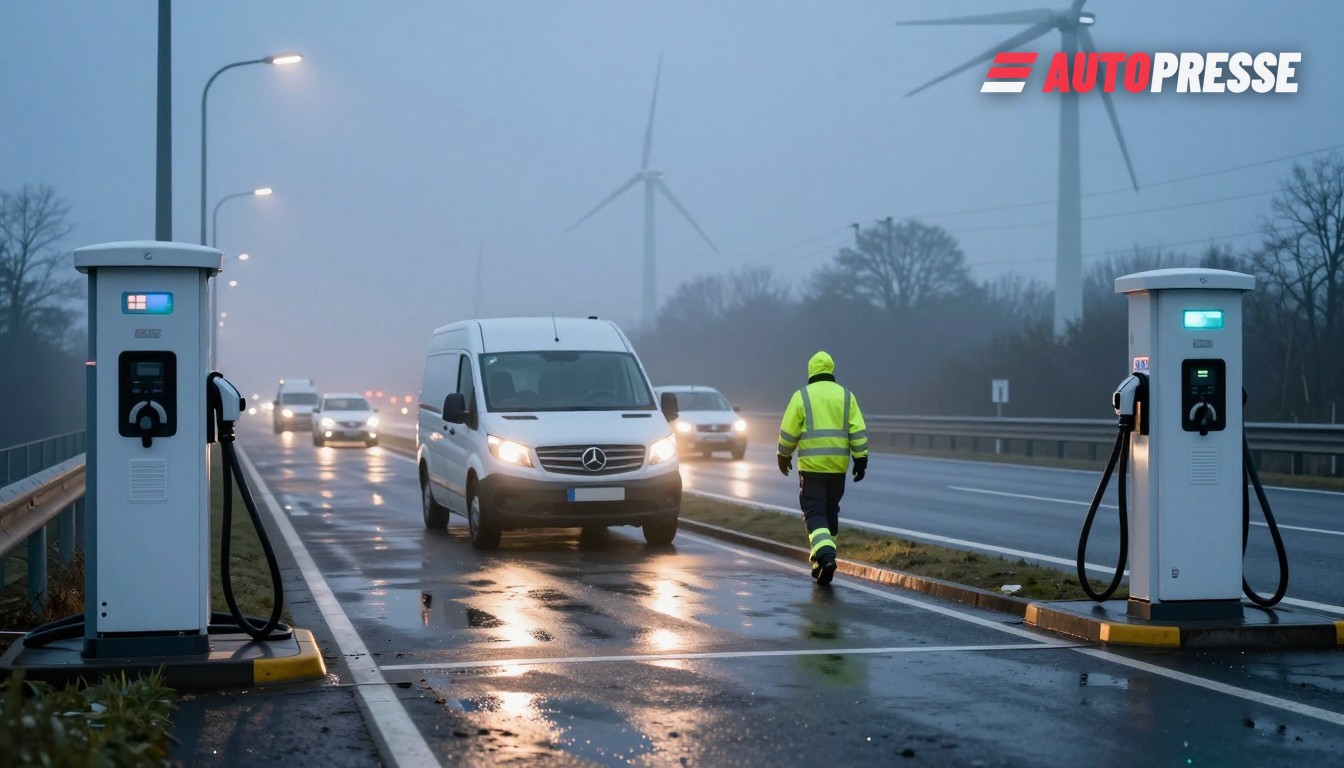
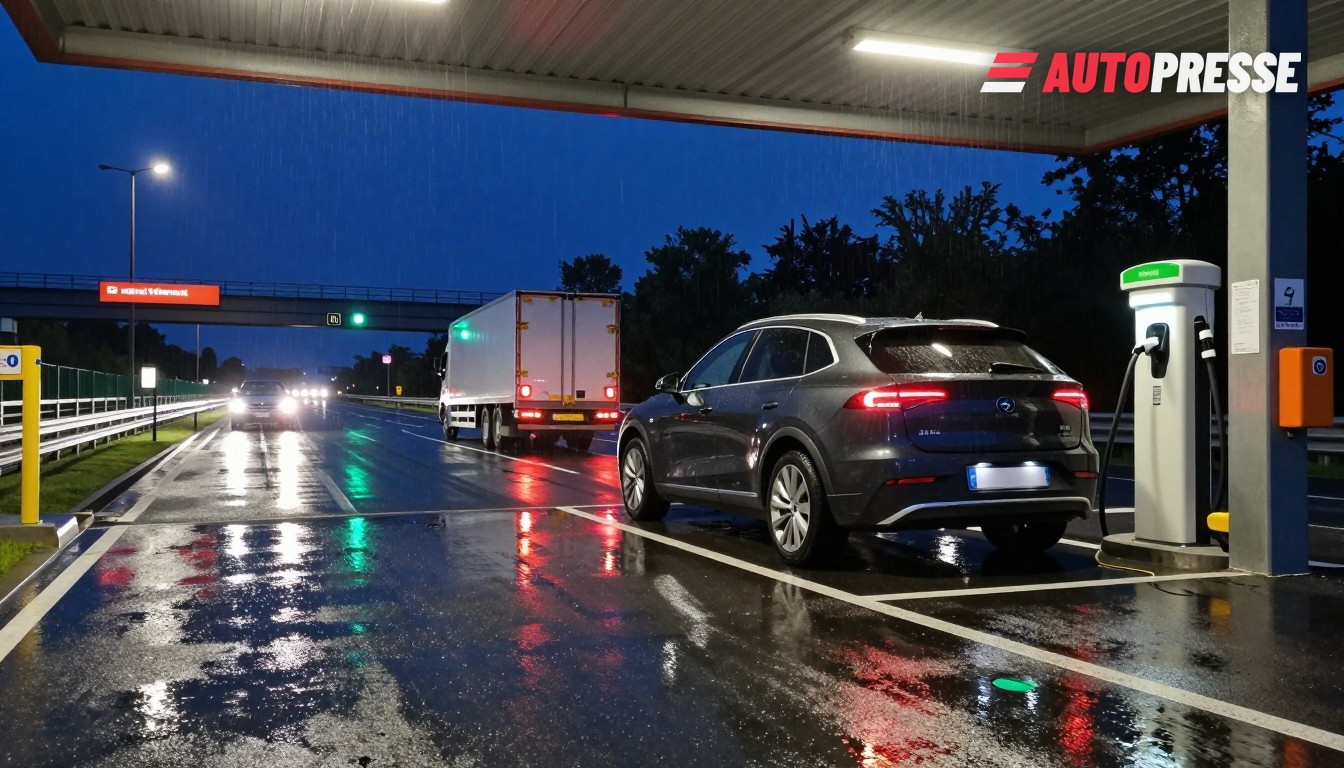
The operational hand‑off matters on the ground: Electra already operates ultrafast HYC‑1000 sites in Austria, most notably the Völkermarkt hub on the A2 (eight bays with up to 600 kW per plug), and will now add Mercedes’ premium hubs to its roaming and reservation ecosystem. That means German and Austrian Mercedes customers keep in‑car access and preferential tariffs while Electra gains 374 more high‑power stalls across Europe. The Völkermarkt site opened earlier in 2026 and is presented by operators as Austria’s most powerful public hub, using Alpitronic’s HYC‑1000 architecture to reach up to 600 kW per bay.
At a systems level, operators are racing to update legacy chargers and payment systems to meet both EU and national rules — new fast chargers sold or substantially renovated will have to support ISO 15118‑20 and Plug&Charge functions from 2027 under current AFIR/standardisation timelines, and Germany’s calibration law (Eichrecht) continues to govern billing accuracy for kWh metering. That regulatory push is driving software‑first upgrades: Munich‑based EcoG has partnered with Siemens to offer an upgrade path for SIMATIC‑based DC chargers so operators can meet Cyber Resilience Act and ISO 15118‑20 requirements without full hardware replacements.
Tesla’s local‑cell bet and its ripple effect
At the same time Germany’s manufacturing map is shifting: Tesla plans to begin 4680 cell production at its Gigafactory Berlin‑Brandenburg (Grünheide) in 2027, targeting an initial ramp that could reach about 18 GWh per year and add roughly 1,500 jobs for cell manufacturing — a move Tesla frames as securing local supply resilience rather than immediate cost advantage. Local cell output at Grünheide will change sourcing and logistics for European vehicle and battery supply chains.
What this means for the market
For drivers: more ultrafast options and unified roaming may cut wait times on trunk routes, but expect tariff fragmentation as operators and OEMs negotiate access and pricing. For dealers and fleets: in‑car reservation, Plug&Charge and Eichrecht‑compliant billing will become procurement priorities when choosing sites to recommend or deploy. For suppliers and grid planners: the roll‑out of megawatt‑capable hubs plus on‑site power cabinets (the HYC‑1000 model) means grid capacity and smart energy management will be the bottleneck, not charger hardware alone. And for Germany’s industrial policy: Tesla’s decision to make cells in Grünheide underlines that OEM vertical integration remains a strong hedge against global supply shocks even as Europe builds new gigafactories and recycling capacity.
Electric vehicle listings on WorldTrader24 →
Sources: Electra (press release), Electrive, Battery‑News, Elvo/AFIR guide, EVNews.