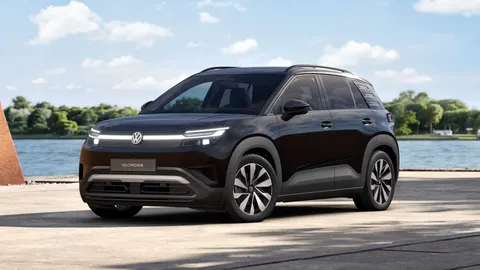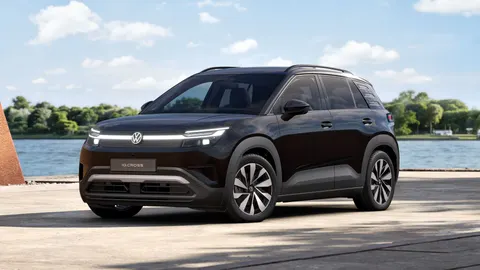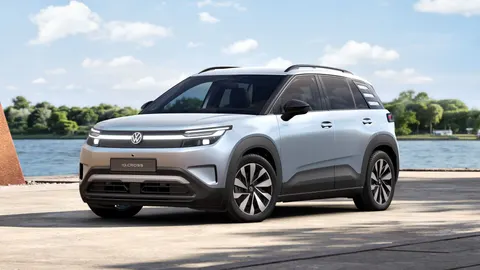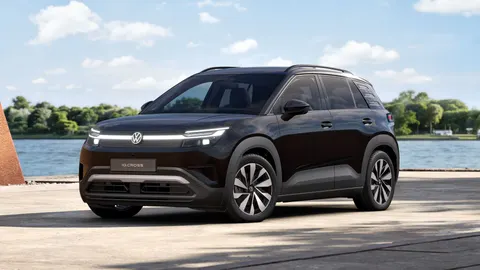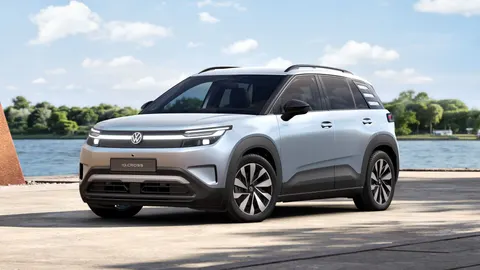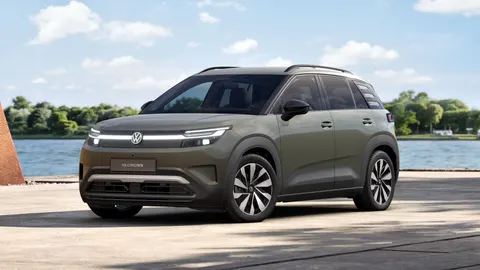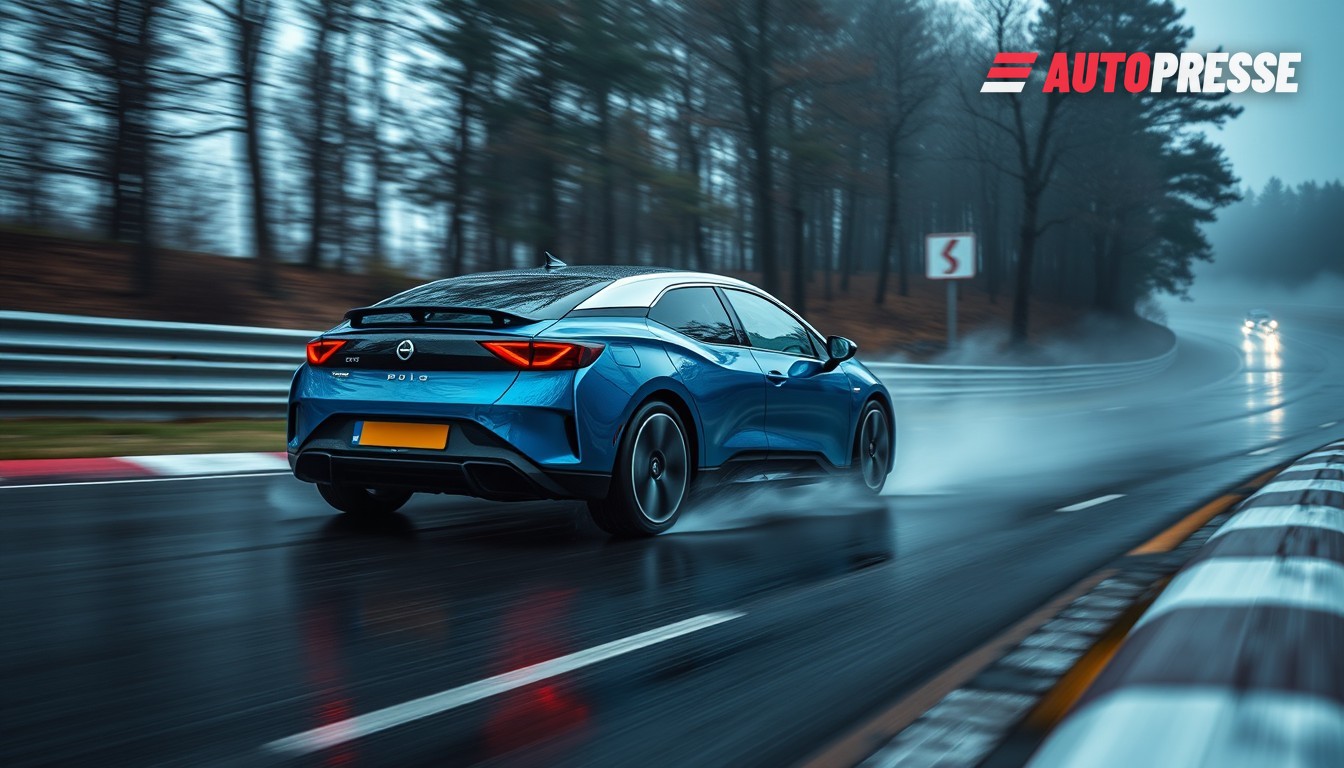
Volkswagen’s ID.Polo is suddenly impossible to ignore in Germany and Austria: the compact electric Polo won the German Car of the Year award this week and arrives at dealers with entry prices from €24,995 — a figure that matters for private buyers, company‑car taxation and dealer demand across both countries.
What the car is — and the headline numbers
The ID.Polo is built on VW’s MEB+ architecture as a front‑wheel‑drive compact hatch with two battery options. Volkswagen offers a 37 kWh LFP pack and a larger 52 kWh NMC pack; WLTP figures quoted for the two options reach roughly 334 km for the smaller pack and about 450–454 km for the 52 kWh version. List price in Germany starts at €24,995 for the entry LFP model. Peak DC charging for the larger pack is reported at roughly 100–130 kW depending on source and trim.
How it performs on the road
Independent and fleet oriented tests so far underline two strengths for German and Austrian use: low consumption in mixed driving and usable range on motorway runs. Volkswagen’s WLTP claims are industry‑standard reference points, but long‑distance real‑world runs tell the practical story: Autocar’s special “Mission Efficiency” ID.Polo‑based prototype recorded extended real‑world distances (over 400 miles / ca. 650 km in one run under atypical test settings) — a demonstration that the MEB+ layout and careful aerodynamics can push consumption far below many competitors when conditions are optimised. That run used a highly modified efficiency prototype, not a standard showroom car, but it highlights what the platform can deliver when efficiency is the priority.
For everyday drivers the takeaways are more prosaic but important: VW quotes combined consumption figures in the mid‑teens kWh/100 km for the 155 kW variant (WLTP combined), and charging tests collected in public databases show 10–80% fast‑charging times in the low‑20 minute range for the 37–52 kWh packs at appropriate DC power. That means many German and Austrian users should be able to use the ID.Polo for daily urban commuting with infrequent, reasonably fast motorway top‑ups — a key practicality for buyers outside major cities.