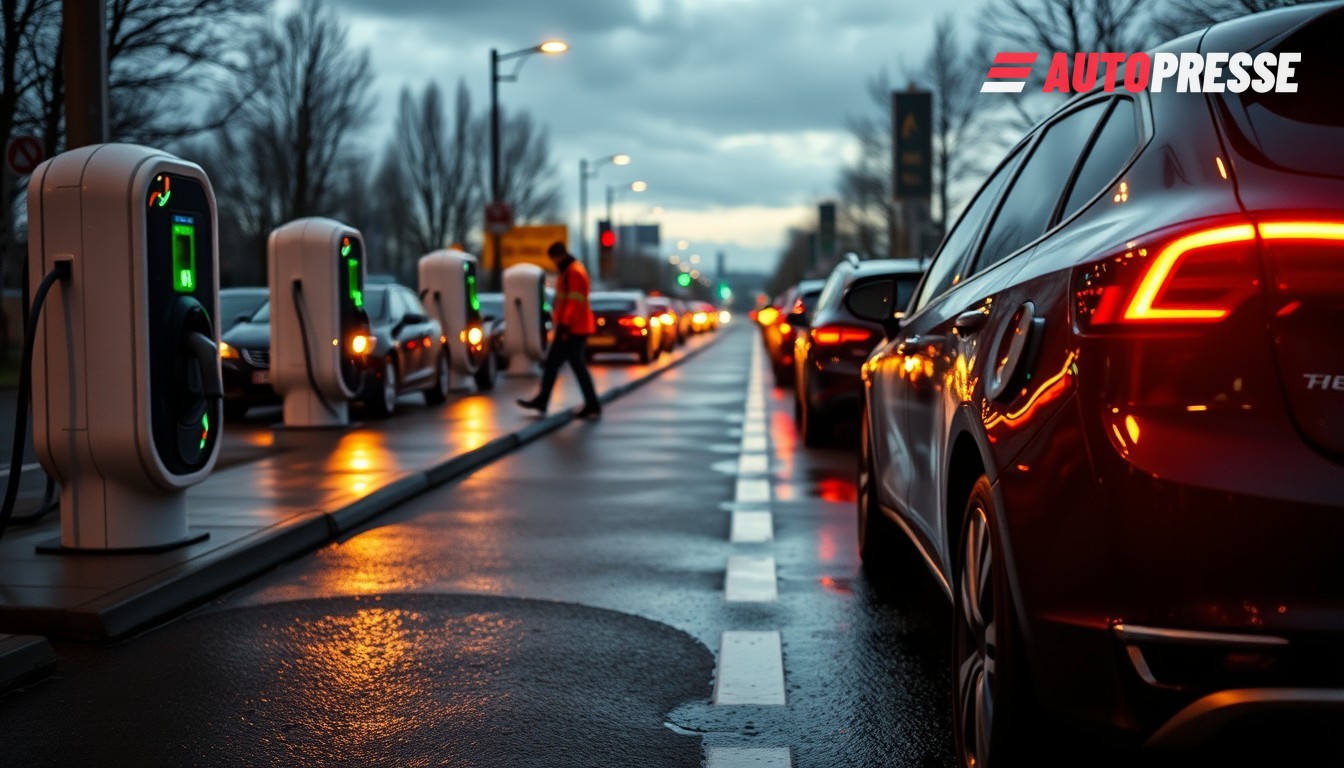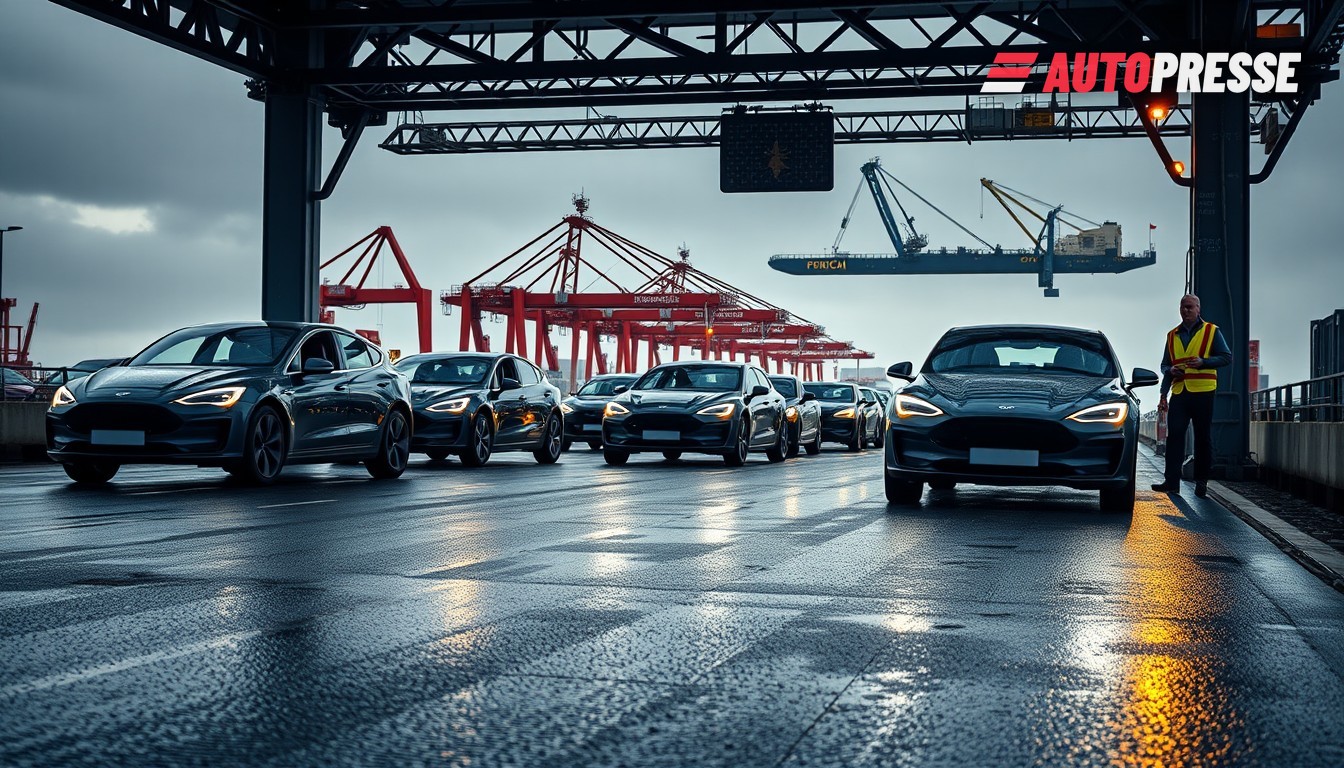
Germany’s October registration figures mark a clear shift: international (non‑German) brands supplied exactly half of all battery‑electric vehicle (BEV) new registrations in the month, eroding long‑standing domestic dominance and reshaping what buyers, dealers and fleets can expect in 2027. The development is visible on the ground — more Chinese and other foreign models are appearing at dealer lots and on import ramps.
Numbers: rapid BEV growth, imports speeding past
The Association of International Motor Vehicle Manufacturers (VDIK) — using Federal Motor Transport Authority (KBA) data — reports that 94,086 BEVs were registered in Germany in October 2026, 37.0% of the 254,492 new passenger cars that month. International brands increased BEV registrations by 107.6% to 47,032 units, giving them a 50.0% share of October’s BEV market. At the same time German brands saw total passenger‑car registrations decline by 3.1% in October.
VDIK President Imelda Labbé summed up the trend: “The German passenger car market is performing well this year, and international manufacturers are growing even more strongly. With an increase of 8.5 percent, they are growing at nearly twice the rate of the overall market. A key driver of this trend is electric mobility.”
Which brands are winning — and losing
KBA brand tables show the import winners in October: BYD recorded 5,173 new registrations in the month, while Tesla added 2,932, leaving BYD narrowly ahead in the year‑to‑date tally through October. Leapmotor and other Chinese marques also posted triple‑digit percentage gains month‑on‑month. Volkswagen remained the single largest brand overall in October, but German marques collectively ceded share to international competitors. (Monthly brand totals and year‑to‑date comparisons are taken from the KBA tables as reported by industry trackers.)