Austria’s Rail Cargo Group (RCG) has bolstered finished‑vehicle rail capacity with 70 new double‑deck Laaers car‑carrying wagons and highlighted a new automotive route via the Croatian port of Rijeka — moves RCG says create more options for cars arriving from Asia and reduce pressure on road transport across Austria and southern Germany. Dealers, inland terminals and truck hauliers in both countries will see the effects in vessel arrival windows, inland transit times and seasonal capacity peaks.
What happened
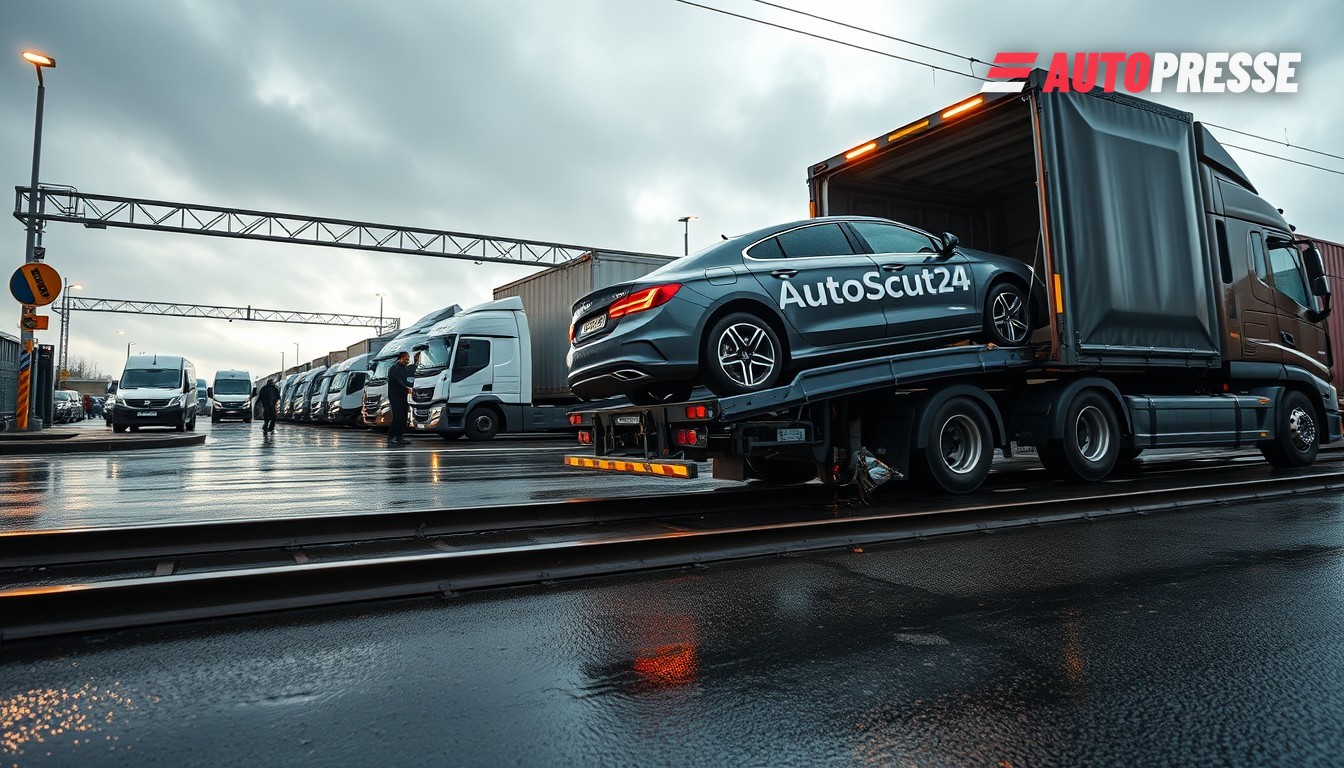
RCG confirmed the immediate delivery of 70 Laaers wagons, designed with a 30.07‑metre loading length and optimised for larger, heavier vehicles including many battery‑electric models; a further 130 wagons are planned for 2027, bringing the total new fleet order to 200 units. RCG said a single car train can carry up to 256 vehicles — replacing as many as 37 truck journeys on the road — and that the additional wagons give the group more flexibility for production peaks and short‑notice demand.
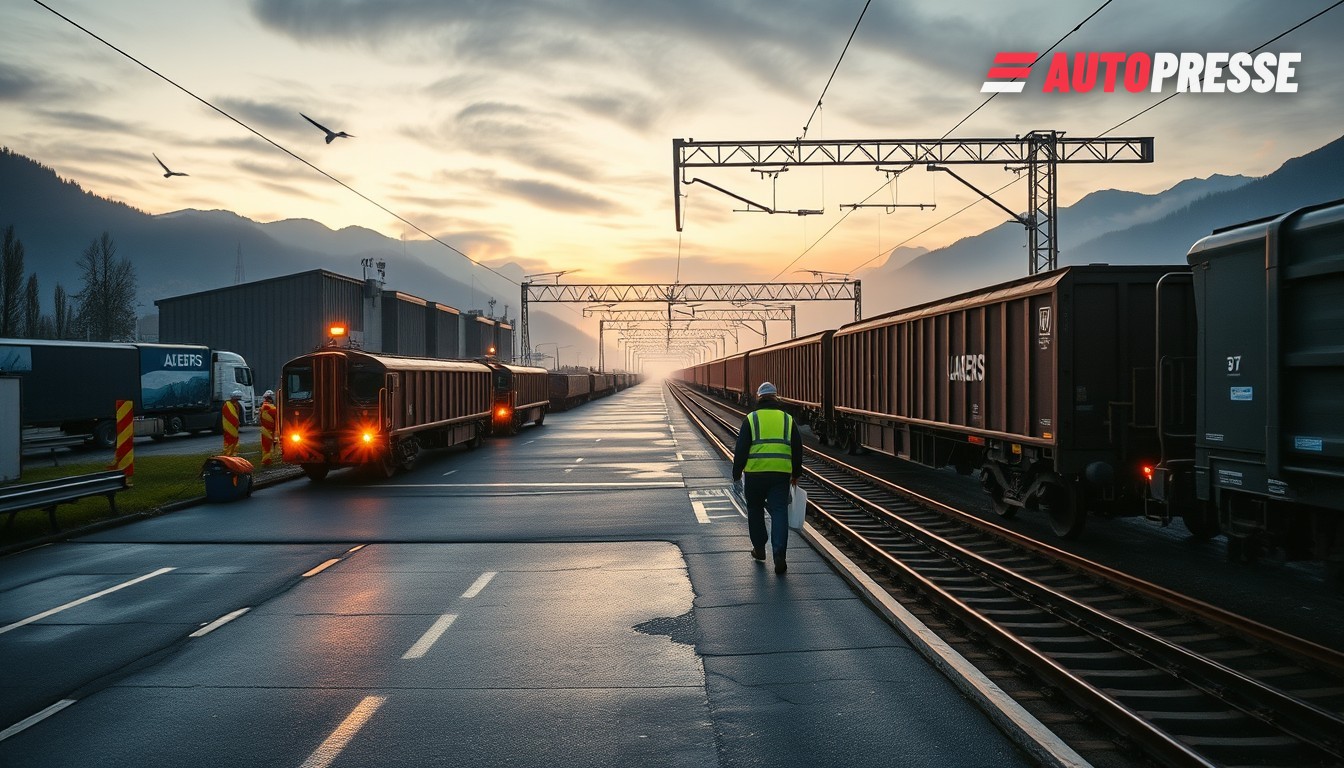
The fleet expansion coincides with a nascent shift in vessel calls: since August 2026 roll‑on/roll‑off (Ro‑Ro) carriers from Asia have begun calling at Rijeka, creating a hinterland flow that needs reliable onward rail capacity into Central and South‑Eastern Europe. RCG says it can now tie Rijeka into its TransFER connections and move more cars by train towards Austria, Hungary and southern Germany.
How the route works for Austria and Germany
Cars discharged at Rijeka can travel by RCG block trains north through Slovenia and into Austria (Villach/Klagenfurt/ Graz corridors) or west towards northern Italy and Germany. For Austrian importers and dealer groups this shortens the inland leg compared with trucking from northern European ports and increases schedule reliability during busy months. RCG also stresses environmental advantages: moving 230–256 cars by rail replaces dozens of long‑haul truck trips and eases road congestion on Alpine transit routes that affect both Austria and southern Germany.