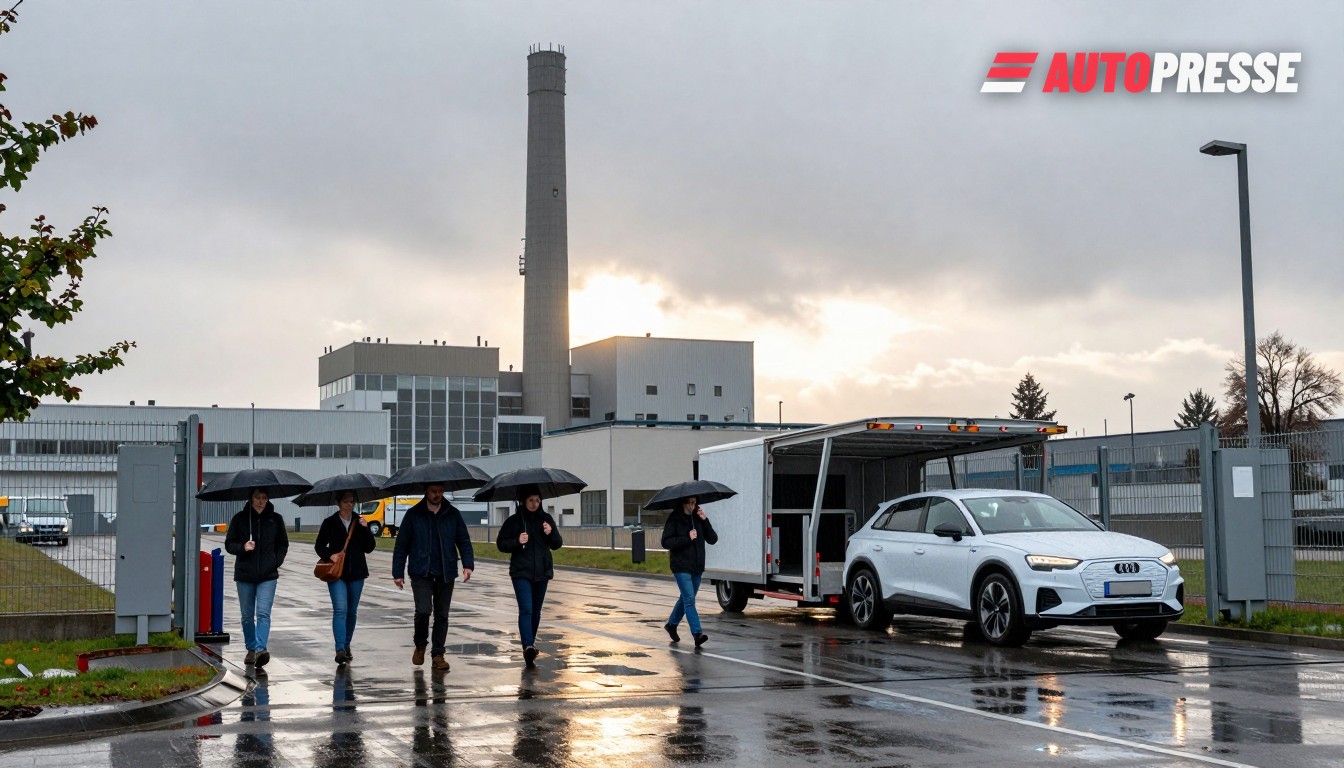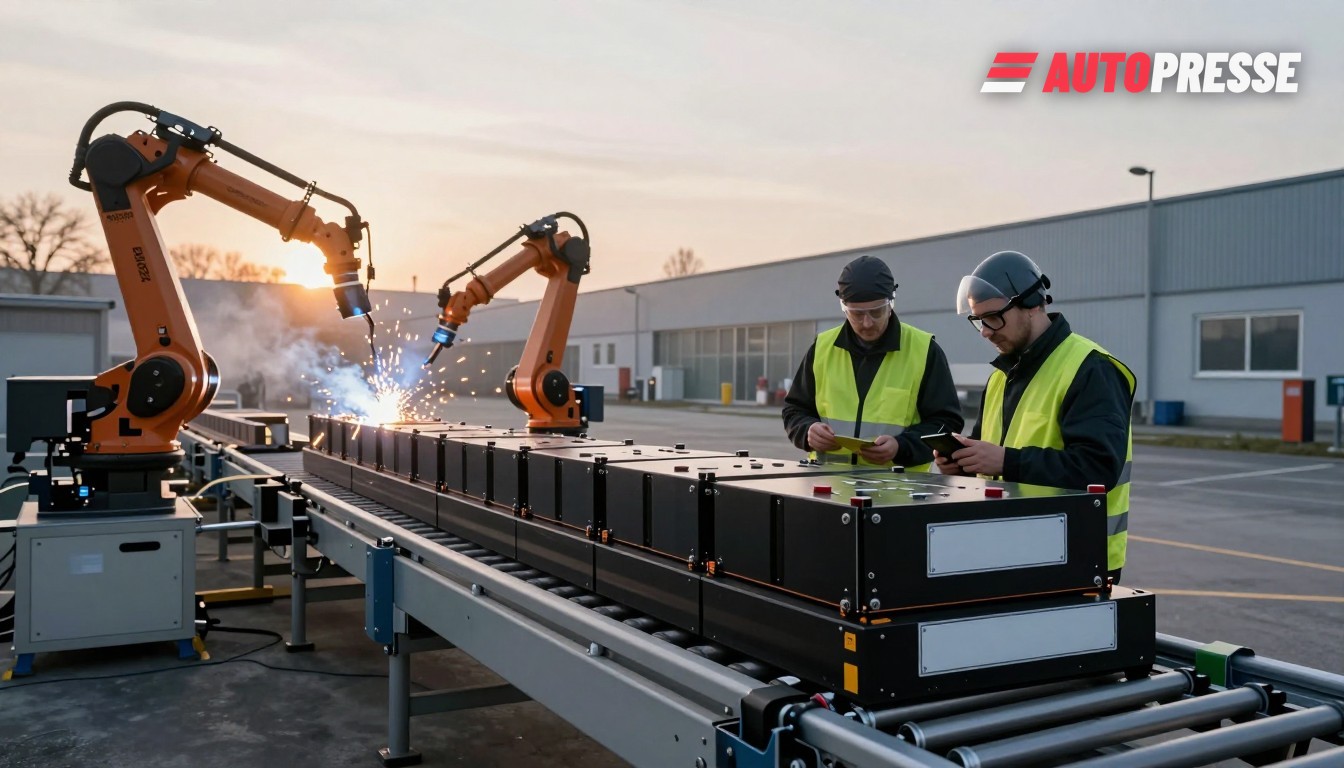
Germany’s industrial heart is seeing a concrete push to bring battery and vehicle production back onshore while Austria’s market shows a different, fast‑moving consumer side. In October 2026 BMW opened its new Plant Irlbach‑Straßkirchen to supply sixth‑generation high‑voltage batteries for the Neue Klasse and the all‑electric BMW i3; the company says the facility reflects an investment “of around one billion euros”.
Bavaria’s battery bet and German production
The BMW investment arrives as German output stabilises but remains below pre‑crisis levels: VDA reports 392,200 passenger cars produced in Germany in September 2026 and 3.03 million cars produced year‑to‑date through September — 4% fewer than the same period in 2025 and roughly 15% below 2019 levels. At the same time the share of electric vehicles in registrations has surged: BEV registrations in Germany reached 88,599 in September (95% year‑on‑year growth for BEVs that month) and electric vehicles accounted for 45.3% of new registrations in September 2026.
BMW frames its plant as a keystone for keeping high‑value battery assembly and related supplier work inside Germany: the company says Plant Irlbach‑Straßkirchen will supply Munich and other domestic sites with battery packs and that the overall programme includes roughly €2 billion of investment across vehicle and battery production for the new BMW 3 Series and Neue Klasse projects. Raymond Wittmann, BMW Board member for Production, called the site “a strong signal for Germany as a business location.”
Austrian registrations: buyers move fast, production follows a different rhythm
Across the border, Statistik Austria shows a strong market response in 2026: between January and September 2026 Austria recorded 241,108 new passenger car registrations — a 12.1% increase versus the same period in 2025 — and battery‑electric registrations rose sharply (63,172 BEVs, +36.9% year‑on‑year for the period). The September 2026 month alone saw BEV registrations jump over 80% year‑on‑year. Those figures underline that consumer demand for electrified cars in Austria remains vigorous.
But registration growth does not translate automatically into local mass production. Austria’s automotive manufacturing footprint is smaller; local industry tends to capture value via components, engineering and assembly services. Recent German investments — like BMW’s Bavarian battery plant and expanded vehicle lines in Munich and Dingolfing — show OEMs prioritise domestic integration of batteries and high value‑added steps, while Austria positions itself to benefit from supplier links, engineering services and battery recycling hubs.
What this means for the market
Short term: German suppliers that adapt to battery pack assembly, module testing and high‑voltage cell integration stand to win follow‑on contracts as OEMs localise battery production; BMW’s statements and investment figures make that dynamic explicit.
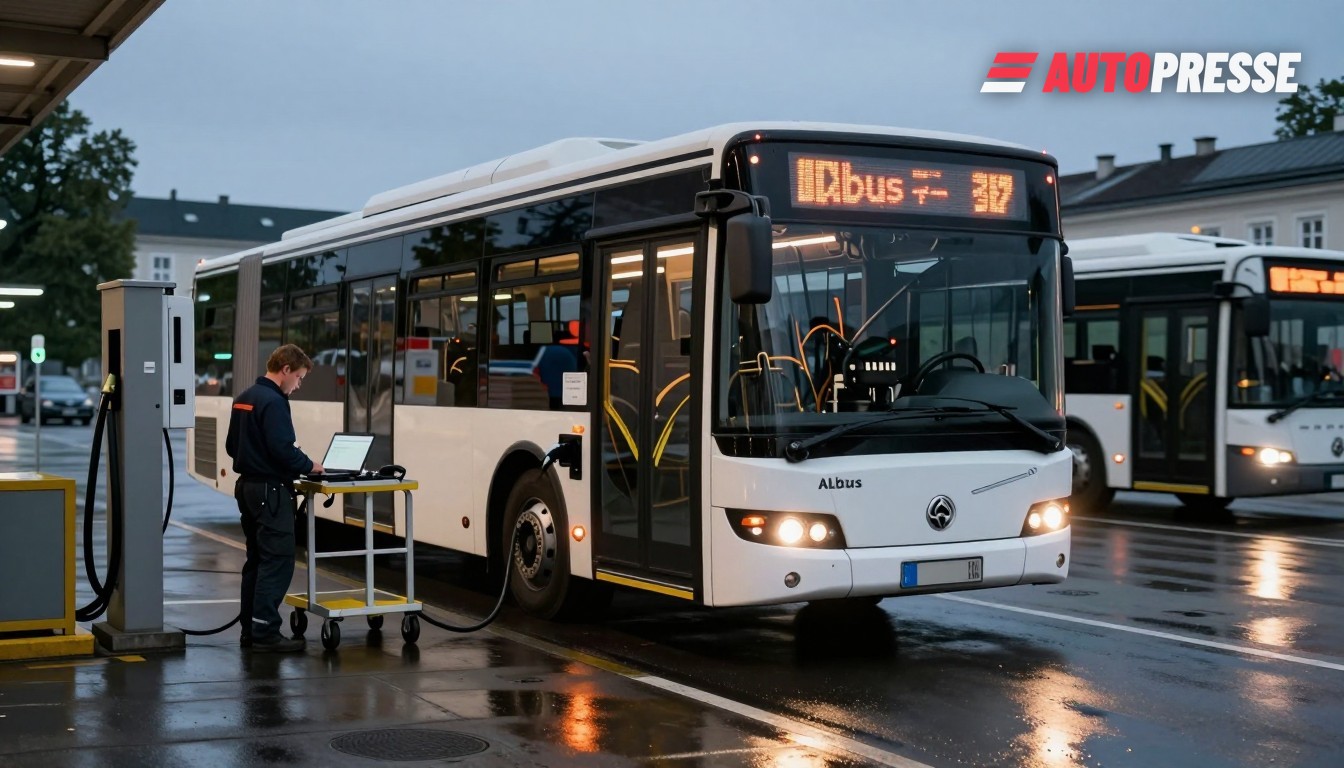
Medium term: Dealers and workshops in both countries must prepare for an accelerating BEV after‑sales environment — registration spikes in Austria and the growing BEV share in Germany (BEVs up sharply in 2026) increase demand for high‑voltage diagnostics, charging installation and second‑life battery logistics.
For policy and regional planners the lesson is clear: speeding approvals and coordinating supplier networks matters. BMW cites rapid construction and local cooperation as key to getting Irlbach‑Straßkirchen running in under two years; regions that replicate that speed will attract more industrial projects.
Electric vehicle listings on WorldTrader24 →
Sources: BMW Group, VDA, Statistik Austria, IndexBox