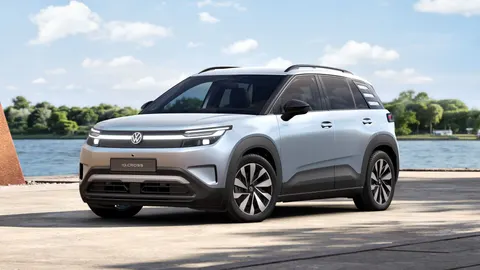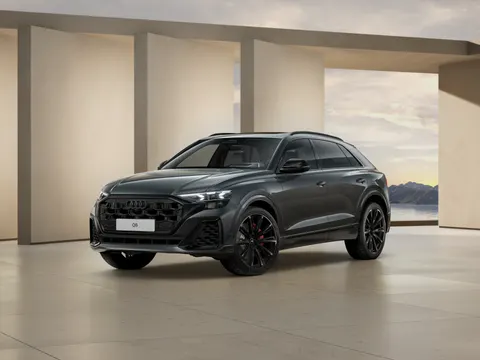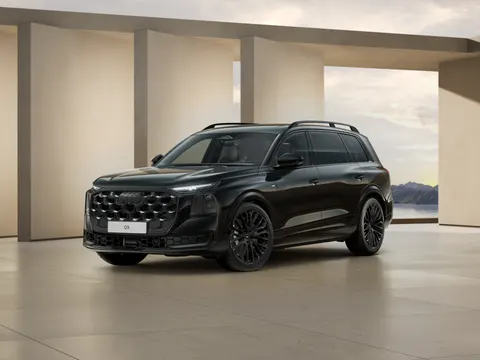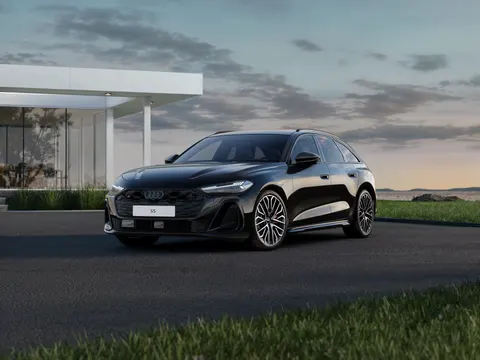
German manufacturers and Austrian suppliers are getting a short but significant reprieve: sentiment in Germany’s automotive sector jumped in October after Berlin and Paris published a joint industrial package, while Austria’s new‑car market and key local steel investments underline continuing demand for European production. That matters to drivers (affecting model availability and incentives), dealers (stock and subsidy rules), and employees across supplier hubs in Linz, Donawitz and Graz.
Policy push and measurable reaction
The ifo Institute reported on 4 November 2026 that the Business Climate Index for Germany’s automotive industry rose to -4.1 points in October, up sharply from -33.2 in September — a sign firms assessed their situation more positively and were less pessimistic about coming months. The institute specifically linked part of the improvement to a Franco‑German press statement of 16 October 2026 that combines an ambitious European decarbonisation path with “regulatory flexibility” and stronger incentives for production and investment in Europe.
The joint German‑French package formalises two consequential points for industry players: (1) a commitment to deep CO₂ reductions while allowing targeted flexibility on the pace and mechanisms to reach those targets, and (2) tying state support more tightly to a “Made in Europe” requirement so subsidies reward local production. The German government text was published on 16 October 2026.
Austria: registrations and supplier moves
The macro signals in Austria are clearer on the demand side. Statistics Austria reported on 9 September 2026 that 212,140 passenger cars had been newly registered from January to August 2026 — a rise of 12.0% year‑on‑year — and that two‑thirds of those new cars used alternative powertrains (66.4%). Sales growth is concentrated in BEVs and hybrids, underlining consumer appetite for electrified vehicles in Austria.
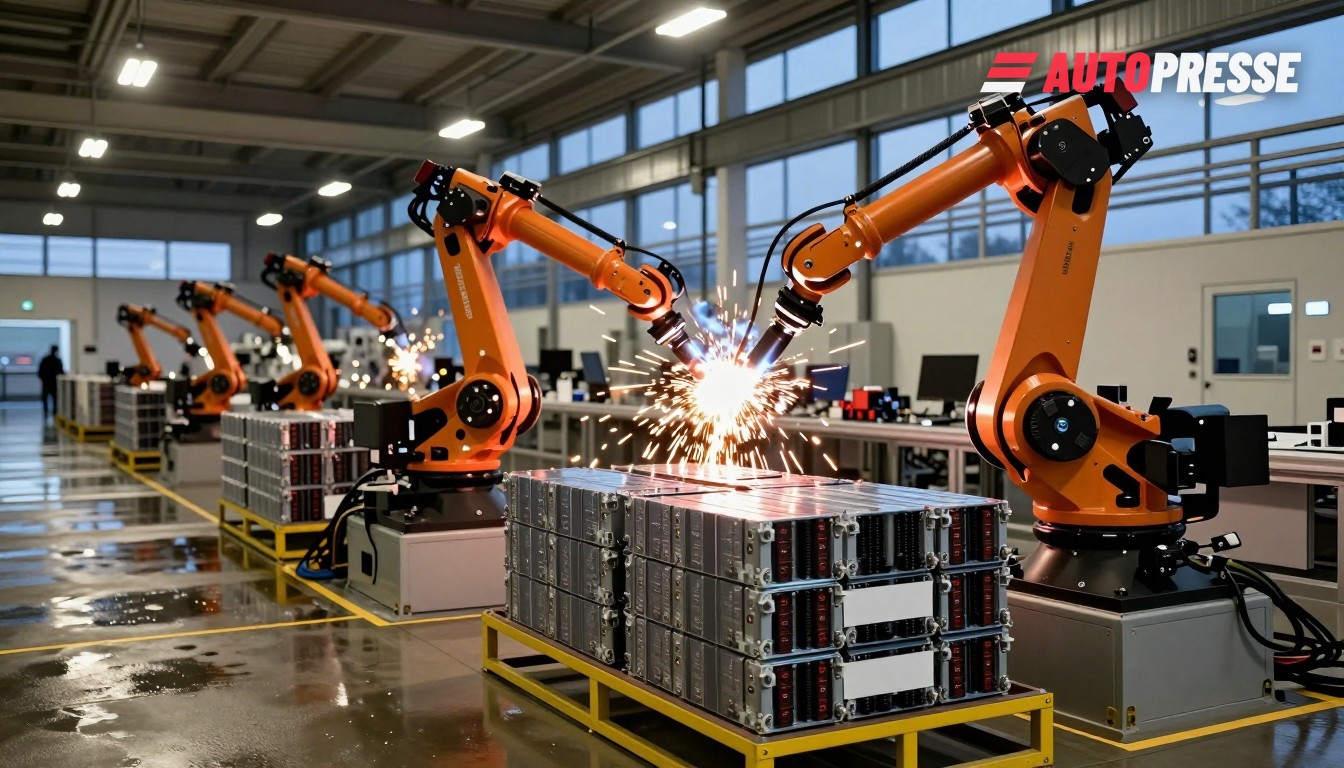
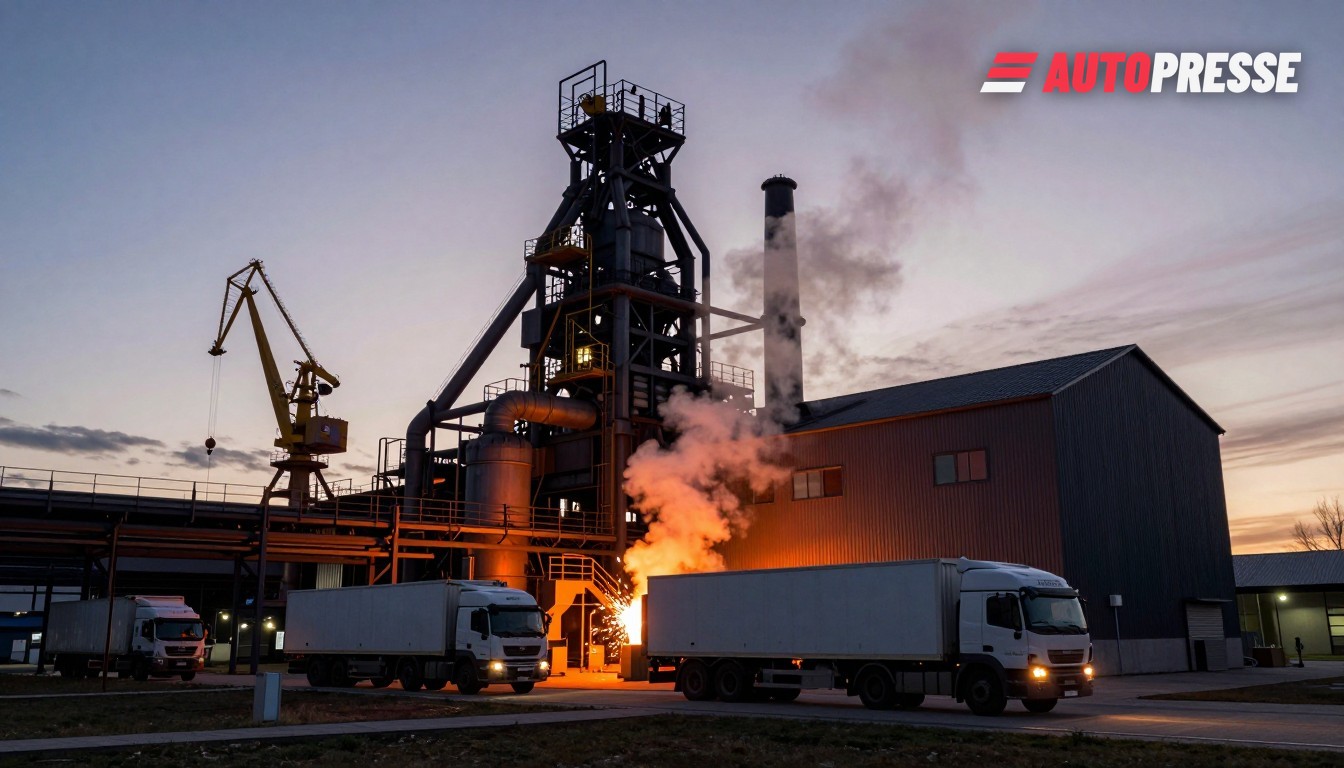
On the supplier side, voestalpine — a major Austrian steel and automotive supplier — in August disclosed that its Supervisory Board has approved an expansion investment of approximately €100 million at Donawitz to upgrade power supply, add a secondary metallurgy line and expand scrap logistics, part of the group’s greentec steel transition toward electrified production. That vote demonstrates how large European suppliers are re‑investing to secure “Made in Europe” capacity.
What this means for the market
Short term: the Franco‑German package has eased uncertainty and, combined with persistent consumer demand in Austria for BEVs and hybrids, is likely to encourage OEMs and Tier‑1s to keep capacity investments in Europe under review — procurement and subsidy rules will be decisive for where they place orders. For dealers and buyers, that could mean continued availability of EU‑built electrified models and clearer national subsidy criteria tied to European production.
Longer term: the ifo warning remains clear — the rebound may be temporary and the industry must still “catch up to the leaders again in the technology race.” If flexibility in EU targets is paired with strong industrial incentives, Germany and neighbouring Austria can preserve jobs in stamping, battery integration and high‑value steel processing — but only if policy certainty and local supply‑chain investments continue.
WorldTrader24 B2B vehicle marketplace for dealers →
Sources: ifo Institute, Federal Chancellery Germany / Presse‑ und Informationsamt, Statistics Austria, voestalpine