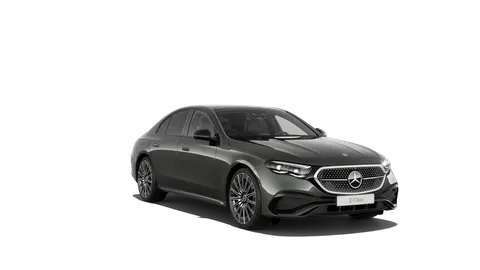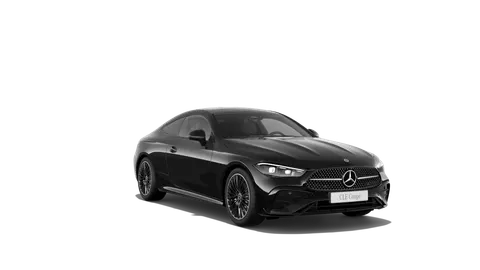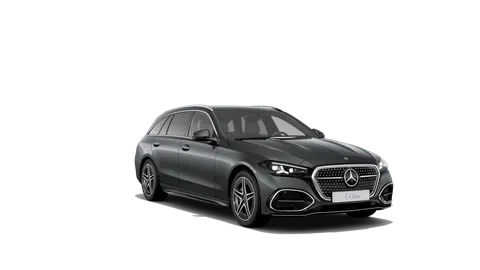
Germany’s carmakers have seen a visible swing in demand and orderbooks in recent months, while Austria’s market continues to grow — and both trends are changing where cars are built, sold and serviced. That matters for drivers (model choice and prices), dealers (stock and margins) and employees (hiring patterns and restructuring) across the two countries.
Where orders, exports and brands are moving
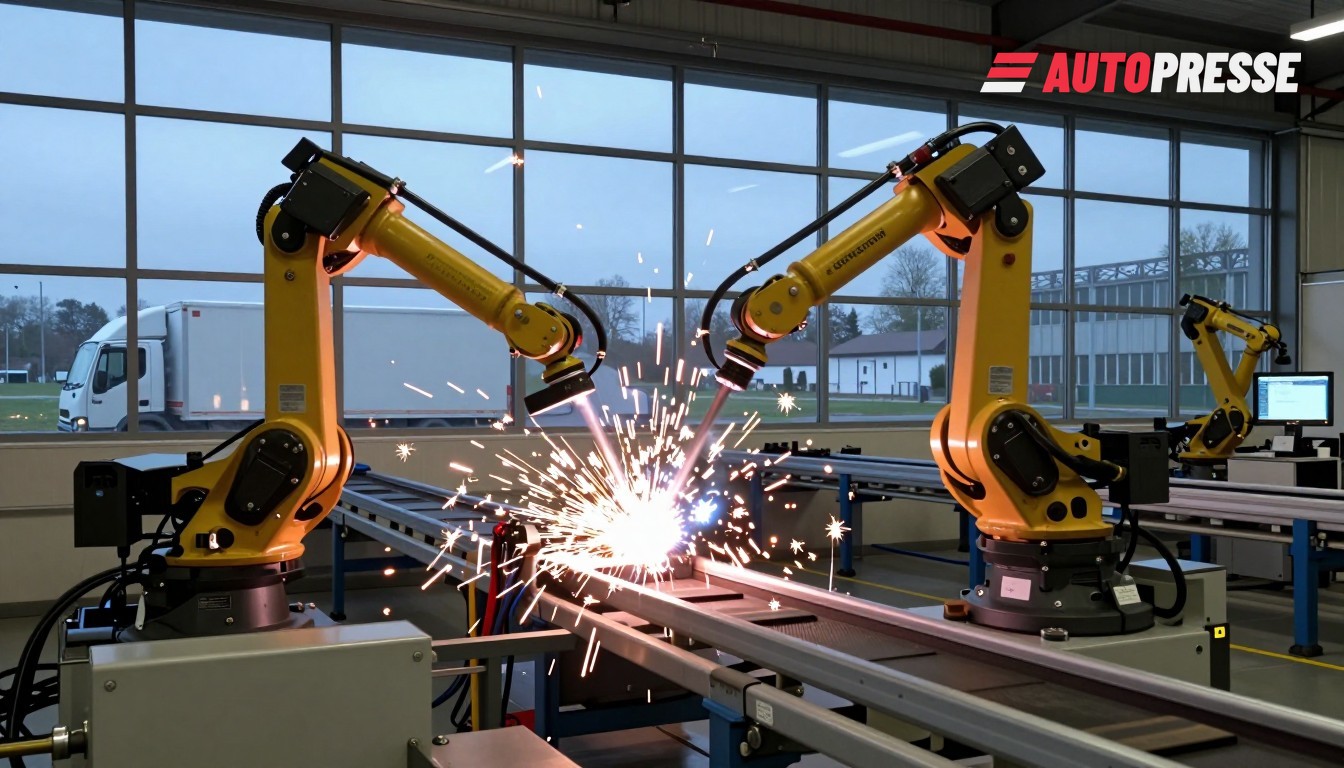
Official German data show a sharp month‑on‑month rebound in manufacturing orders in September 2026: Destatis reports new orders in manufacturing rose 4.4% on the previous month, with the automotive sector up 10.5% (seasonally and calendar adjusted). The agency’s press release (No. 385) is dated 5 November 2026. The pick‑up follows a period of production changeovers and holiday slowdowns and signals factories moving back from short‑term caution to fuller schedules.
At the same time, market composition is shifting: analysis of registration data shows international and especially Chinese brands making meaningful inroads in Germany — Chinacarindex counts 114,998 new registrations of Chinese brands in Germany in January–October 2026 (data retrieved 6 November 2026). That is changing competitive dynamics for established German marques and dealers.
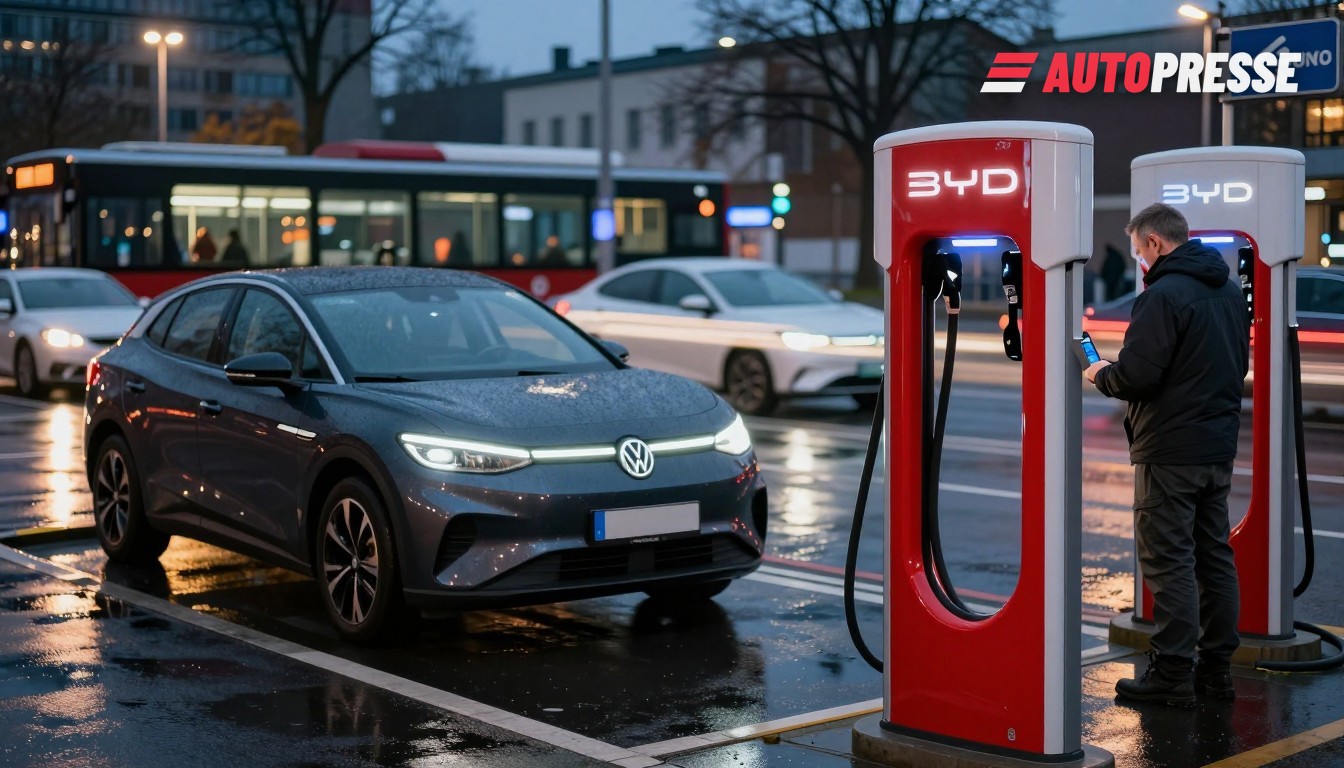
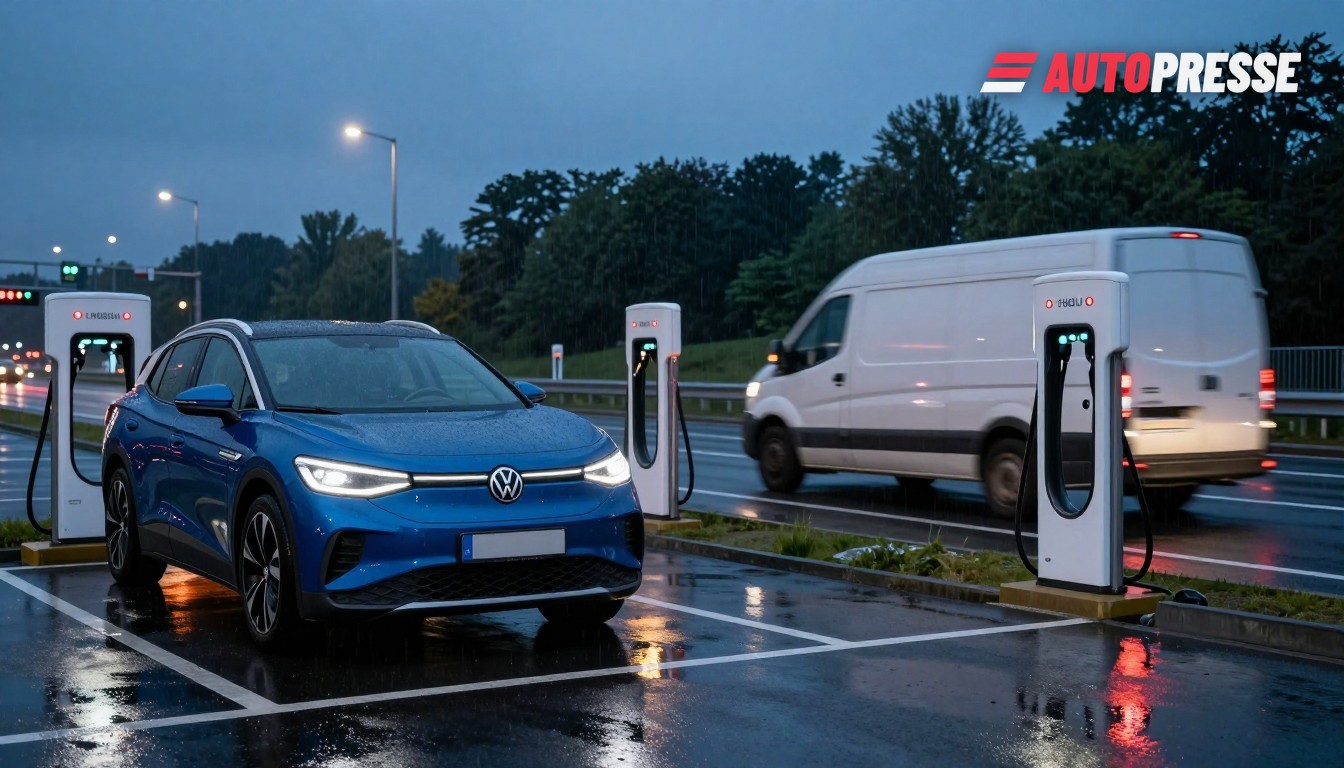
In Austria the new‑car market has expanded: Statistik Austria reports a 10.7% increase in new passenger‑car registrations between January and October 2026 (publication 10 November 2026), with Volkswagen, Škoda, BMW and Audi among the top makes by share. The Austrian federal ministry reported a fresh October record for battery‑electric cars — 8,434 BEV newly registered and a BEV share of 34.9% in October 2026 — in a press release dated 10 November 2026. Those figures underline a fast‑moving retail market and rising EV adoption in Austria.
Supply‑side strain and regional production
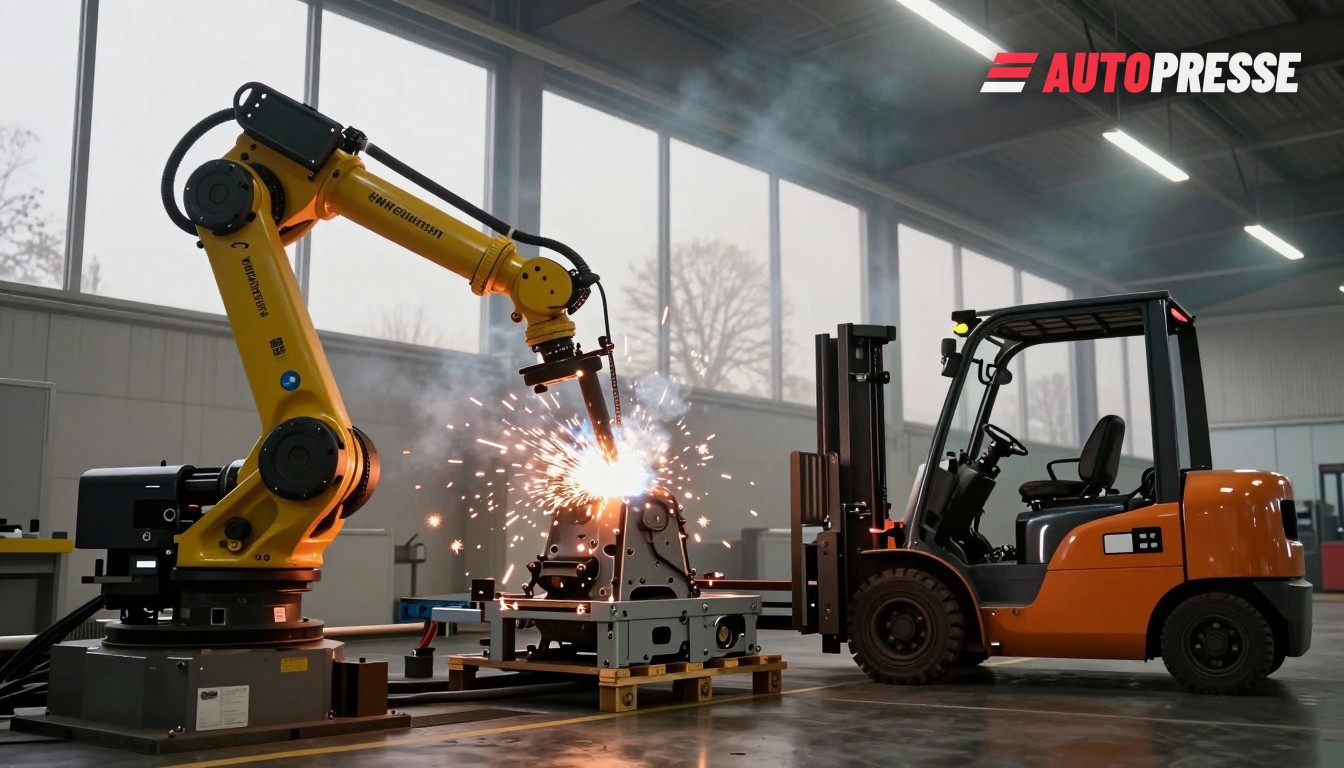
Germany’s vehicle production and dealer inventories are reacting to the twin pressures of resurgent orders and new competition: VDA production and market reporting for October 2026 shows continued adaptation of output to changing demand patterns and domestic order flows (VDA press release, 4 November 2026). Meanwhile Austrian industry output shows modest momentum — Statistics Austria’s production index rose 0.6% in September 2026 — but supplier margins and employment remain sensitive to model‑cycle shifts and electrification costs.
That sensitivity is visible in the supplier layer: Austrian trade reporting notes that the country’s automotive supplier sector reduced roughly 3,000 jobs in the previous year, underscoring continuing restructuring pressure as tiers adapt to EV parts and services. (ORF report, 15 Oct 2026).
What this means for the market
First, shoppers will see broader choice and fiercer pricing: more imports (notably from Chinese marques) increase competition, while strong BEV uptake in Austria pulls up EV availability and dealer turnover. Manufacturers and dealers should expect faster inventory churn but tighter margins on mainstream models.
Second, plants and suppliers will recalibrate: the September orders bounce in Germany gives OEMs short‑term cover to raise utilisation, but tier suppliers — especially in Austria — will need further investment or consolidation to supply e‑powertrain parts reliably. Policymakers and unions will watch job flows closely.
Finally, dealers and service networks should accelerate EV readiness and digital sales. Austria’s rising BEV share (34.9% in October 2026) is an immediate signal to workshops and forecourts to invest in tools, training and charging. For Germany, the mix of a stronger orderbook and surging imports means cost control and software‑led services will decide winners at the dealer level.
B2B vehicle listings for dealers on WorldTrader24 →
Sources: Destatis, Statistik Austria, BM: Federal Ministry for Climate Action (bmimi), VDA, Chinacarindex, ORF