The German and Austrian auto industries entered November with a clear, measurable pivot: semiconductors are no longer a rear‑end supply issue but a strategic on‑shoring project that will touch production, suppliers and jobs across both countries. For drivers, dealers and workers this means better availability of power‑electronics components for BEVs and chargers — but also a short‑term scramble for skilled staff and factory services.
Two big chip moves — Villach and Dresden
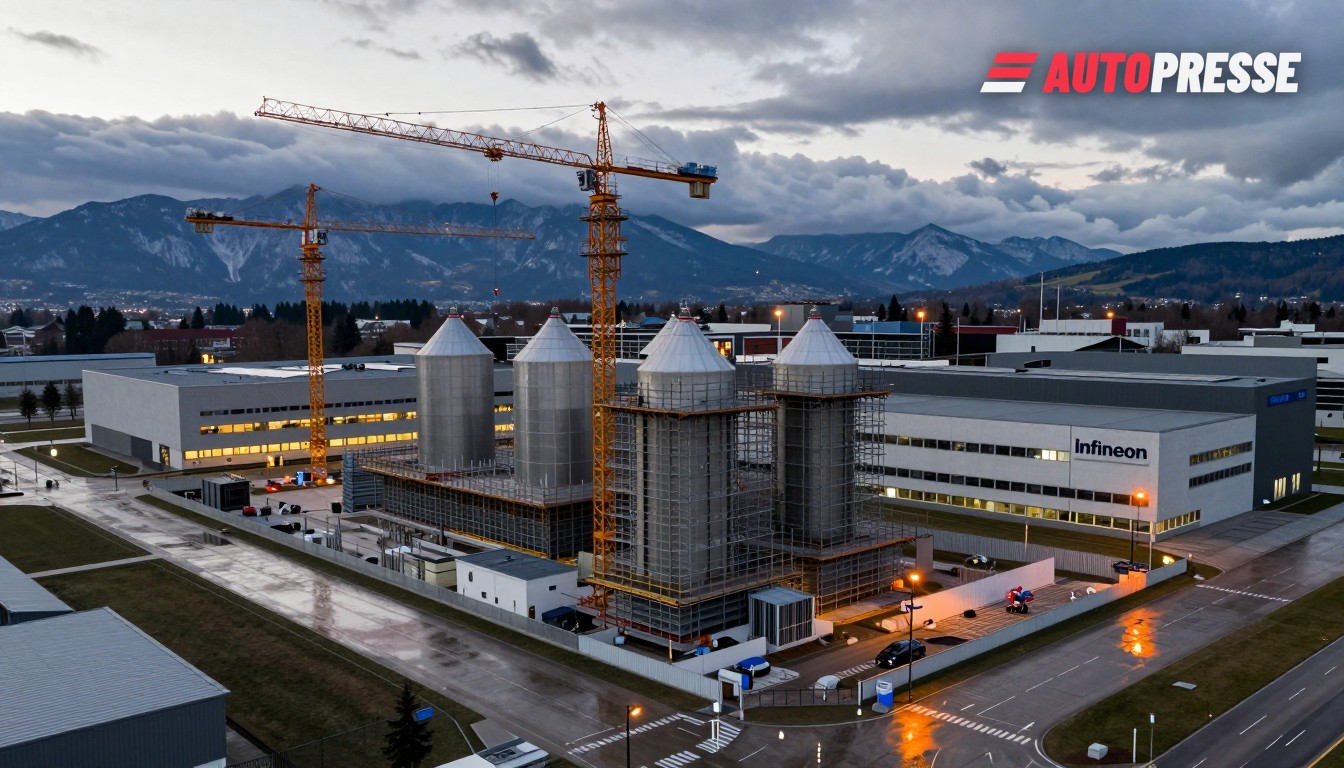
On 27 October 2026 Infineon announced it will invest about €1.1 billion to upgrade its Villach (Carinthia) site to high‑volume 300‑mm gallium‑nitride (GaN) power‑semiconductor production, a programme the company says will run through 2034. The European Commission approved €319 million of Austrian state aid to support the project.
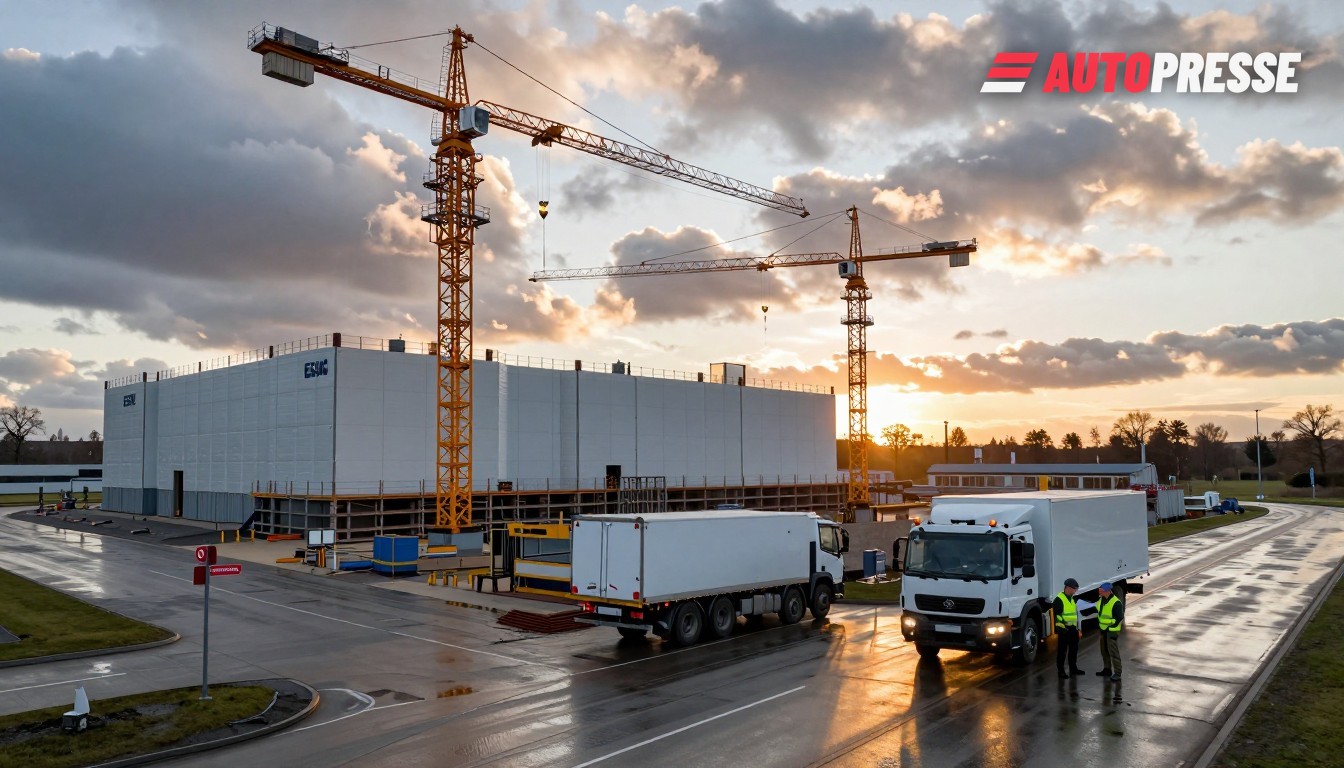
Meanwhile the European Semiconductor Manufacturing Company (ESMC) fab in Dresden — the TSMC‑led joint venture with Bosch, Infineon and NXP — has moved from topping‑out and shell works into equipment move‑in and systems installation, with commercial production targeted for late 2027. The Dresden plant is explicitly pitched to serve automotive and industrial customers across Europe.
Immediate facts: production, electric demand and capacity
German car production has not yet rebounded to pre‑crisis levels: through September 2026 German plants built roughly 3.03 million passenger cars year‑to‑date, about 4% below 2025. At the same time demand for electric cars is surging — BEV registrations in Germany rose sharply in 2026 and stood at about 604,144 battery‑electric passenger cars in the first nine months of the year. Those numbers are from VDA/KBA monthly reporting and illustrate the paradox: stronger electric demand but still‑soft overall production.
That combination — a higher share of electronics‑heavy BEVs but constrained European chip capacity until new fabs come online — is precisely why Villach’s GaN investment and Dresden’s ESMC matter: both expand local supply for power conversion, charging and traction‑inverter components that are central to BEVs and fast chargers. Infineon itself reported that Villach has already processed 300‑mm GaN wafers and that the upgrade will raise European high‑volume GaN capability.
What this means for the market
For OEMs and suppliers: more regional chip capacity should reduce lead‑time volatility for power semiconductors — but only after the new lines ramp (ESMC aims for production in 2027; Infineon’s Villach expansion runs to 2034). In the short term vendors will still compete for integration engineers, fab‑services and skilled operators; that drives subcontracting, higher local demand for automation and a renewed market for European test, packaging and fab‑support suppliers.
For dealers and buyers: greater European chip output promises fewer model cancellations and stabilised delivery times for BEVs and charging hardware over 2027–2030, but prices and options will remain influenced by battery and software supply, not just chips. For the workforce and training providers: both Germany and Austria must scale specialised semiconductor and cleanroom skills — a task public‑private programmes are already starting to address.
Electric cars listings on WorldTrader24 →
Sources: Infineon, VDA (VDA/KBA), ESMC/Bosch