Germany’s and Austria’s auto sector is being pulled into a semiconductor orbit. The European Semiconductor Manufacturing Company (ESMC) project in Dresden — a joint venture that brings TSMC together with Bosch, Infineon and NXP — has moved from groundworks to visible construction milestones and supplier outreach, and it carries hard dates and capacity that matter to every buyer, dealer and plant manager in the region.
The ESMC partnership marked its groundbreaking on 20 August 2024; the project benefits from significant public support (the European Commission approved a German measure of around €5 billion in the original announcement) and is being built to supply automotive and industrial customers with advanced nodes and local volume. ESMC and its partners present the fab as a 300‑mm facility with planned monthly capacity of 40,000 wafers; production has been publicly targeted to begin in late 2027.
Construction, recruitment and the training push
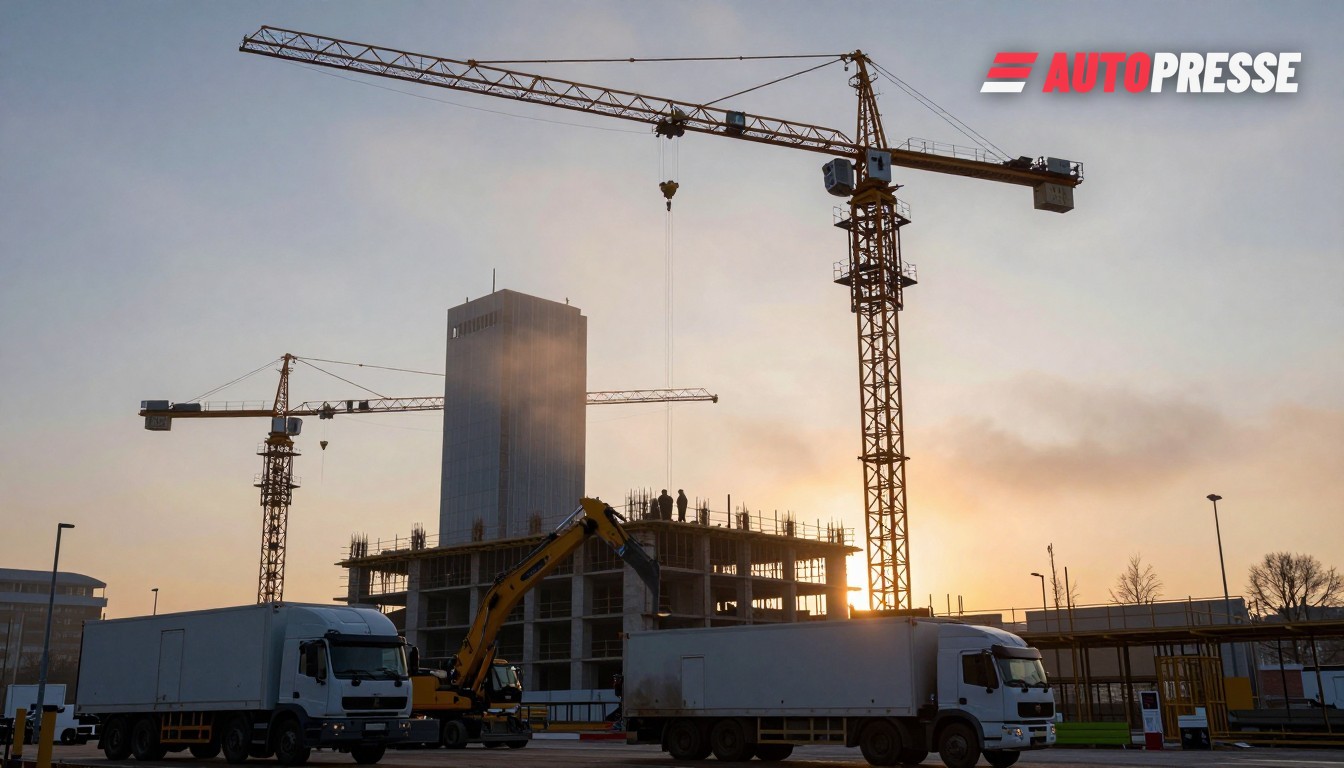
The site now runs citizen consultations, supplier days and a local hiring push as it moves toward commissioning. ESMC reports a series of construction milestones (a topping‑out was recorded in December 2025) and is staging regular supplier‑and‑community sessions in Dresden to prepare capacity and local services. The region is building training infrastructure alongside the fab: Dresden is creating a new vocational school intended to train more than 2,000 electrical and electronics specialists to close the clean‑room skills gap the project requires.
Supply ripples for Germany & Austria
The upshot for German and Austrian carmakers is concrete: a local wafer source at scale reduces lead times for critical mixed‑signal, power and analog chips and draws suppliers closer to assembly lines and battery cell plants. The ESMC timetable and capacity figures have already altered OEM procurement discussions and vendor roadmaps; management teams now include foundry access as a criterion for securing long‑term contracts. ESMC and its partners have expressly framed the plant as a European answer to dependency on overseas fabs.
What this means for the market
First, procurement: expectation management is shifting from ‘just‑in‑time’ imports to multi‑tier local sourcing — buyers will increasingly ask for roadmaps that reference ESMC capacity. Second, jobs and training: Dresden’s new vocational capacity and ESMC’s recruitment create more demand for high‑skill roles (clean‑room operators, test engineers) and force dealers and suppliers to compete for those people. Third, industrial policy: the visible improvement in business sentiment in Germany’s auto sector in October 2026 — the ifo Business Climate Index rose from -33.2 in September to -4.1 in October — shows how policy and industrial projects can moderate pessimism even while structural challenges remain.
For Austria the effect is indirect but real: nearer‑shore European wafer capacity strengthens regional supply chains (components, test houses, packaging), and Austrian electronics and materials suppliers can win new orders as OEMs and tiers rebalance sourcing toward Europe.
WorldTrader24 B2B vehicle marketplace for dealers →
Sources: TSMC, ESMC, Bosch, ifo Institute, DieSachsen