Germany and Austria’s supplier networks are quietly rewiring away from high‑volume stamping and into labs, testbeds and validation services — investments that matter to buyers, dealers and plant workforces because they decide who can industrialise new batteries and hydrogen systems on time.
New research and test capacity — concrete numbers and dates
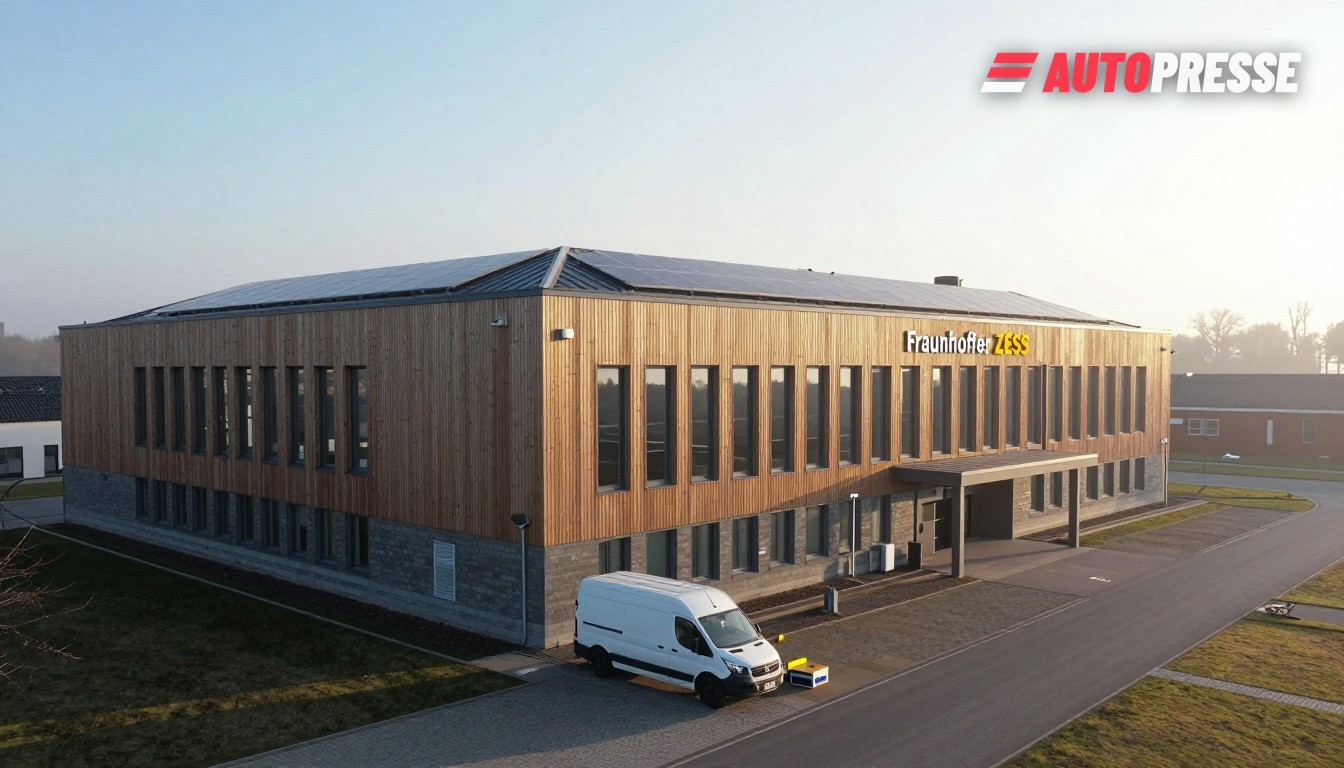
On October 7, 2026 the Fraunhofer‑led ZESS research centre in Braunschweig officially opened, delivering roughly 1,750 m² of laboratory space plus a 450 m² dry room and a planned budget of about €49.85 million funded by the German federal government and Lower Saxony. The centre focuses on solid‑state batteries, cell production and hydrogen technologies and explicitly aims to accelerate industrial scale‑up and technology transfer.
In Austria AVL List and the HyCentA research centre in Graz opened what AVL calls “Europe’s most modern test infrastructure for fuel‑cell systems” on October 21, 2026. The project cost is reported at €2.3 million and the installation supports high‑dynamic load profiles, cold‑start testing and accelerated ageing experiments tailored to automotive applications. AVL CEO Helmut List said: “As a leading global technology company developing test stands for fuel‑cell systems, AVL together with HyCentA is making an essential contribution to the development of sustainable and environmentally friendly power trains.”
Research institutes and test centres — the new suppliers
Across Germany Fraunhofer institutes are rolling out complementary battery programmes: the ZESS site in Braunschweig joins national activity such as the Battery LabFactory and projects on direct or electrochemical recycling and new electrode architectures that aim to raise energy density by double‑digit percentages in prototype cells. Fraunhofer press materials and recent project announcements show coordinated funding and cross‑institution projects to bridge lab results to near‑series production.
In Austria, long‑running co‑operation between AVL, Magna Steyr, TU Graz and research bodies under schemes such as ALP.Lab has created a testing ecology that matches Austria’s strengths in systems integration and specialised validation. The ALP.Lab programme and its partners provide a legal and technical framework for ADAS and automated‑driving testing — an asset suppliers can use to qualify components for harsh Alpine road and weather conditions.
What this means for the market
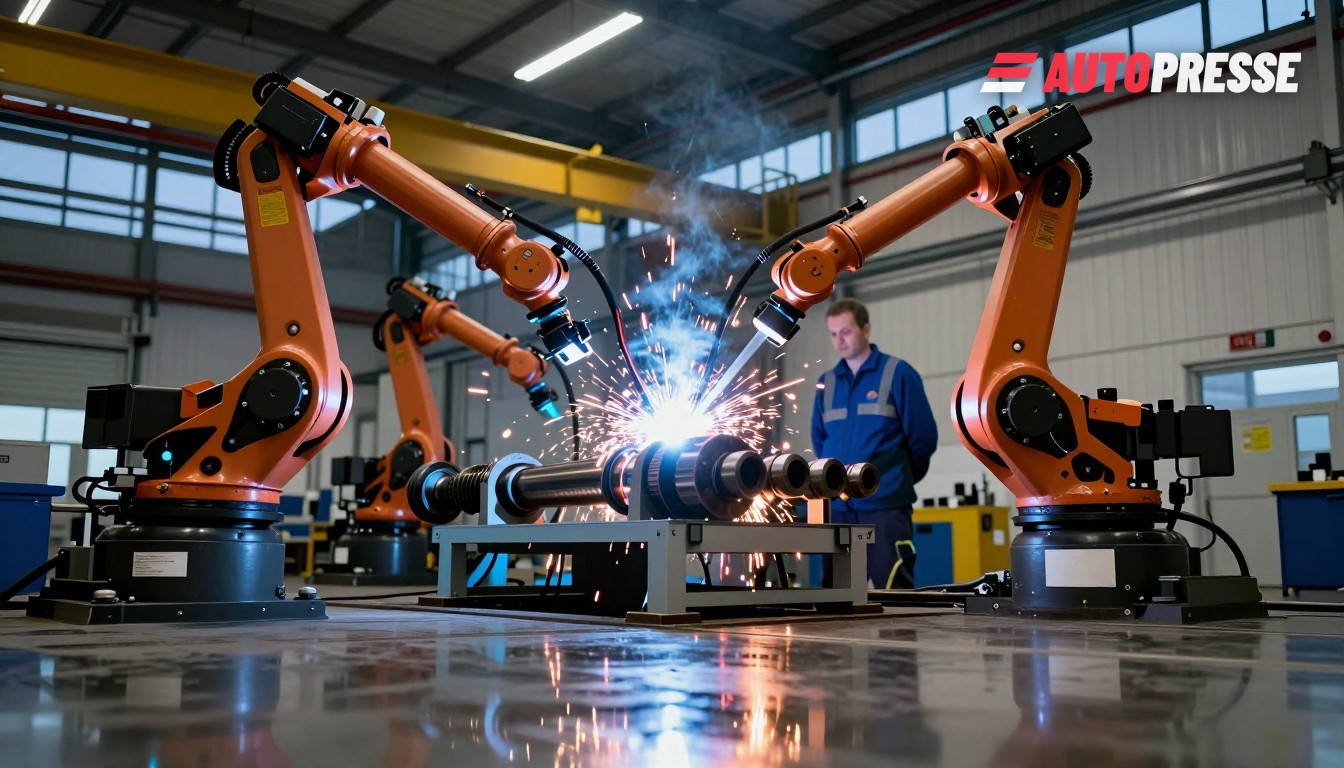
For Tier‑1s and mid‑tier suppliers the message is clear: proprietary hardware alone will not guarantee wins. Customers — OEM purchasing departments and contract assemblers — will increasingly demand validated modules, documented test results and production readiness that only advanced testbeds and pilot lines can provide. Research hubs reduce time‑to‑trial for new chemistries (solid‑state, sodium, alternative anodes) and for hydrogen subsystems, but also raise the bar: suppliers without access to this infrastructure will face longer qualification cycles.
For dealers and workshops the shift creates opportunities and pressure at once. More localised validation and early‑series trials mean faster product introductions and new service work (battery diagnostics, hydrogen system maintenance), but also steeper training needs. Public funding for ZESS and similar facilities aims to smooth that transition by making lab capacity available to SMEs and by supporting industrial scaling.
Finally, for employees the effect will be uneven: research hubs and test centres create high‑skilled roles in Germany and Austria, while volume‑led supplier sites still under margin pressure must adapt or specialise. The concrete opening dates and budgets show public authorities are betting on capability and testing as the method to keep Europe’s supply chain relevant.
WorldTrader24 B2B-Fahrzeugmarkt für Händler →
Sources: AVL List GmbH, Fraunhofer‑ZESS / electrive, Fraunhofer ISE and IFAM, FFG (ALP.Lab)