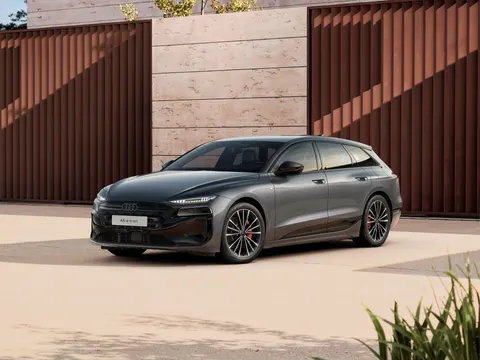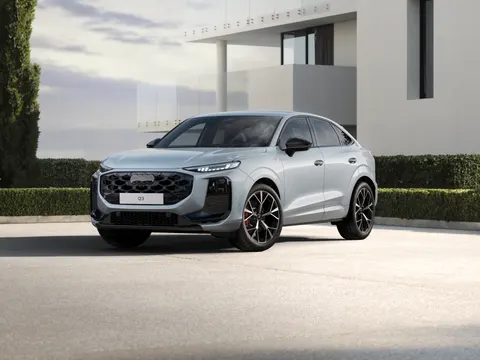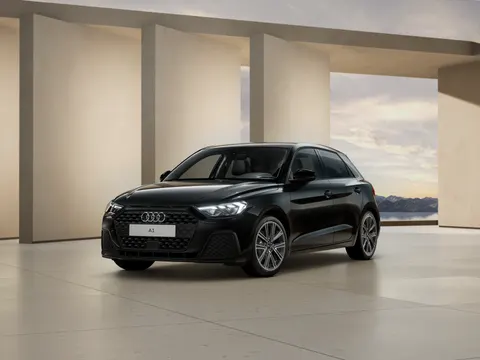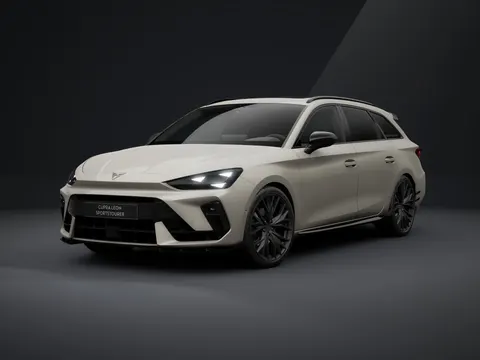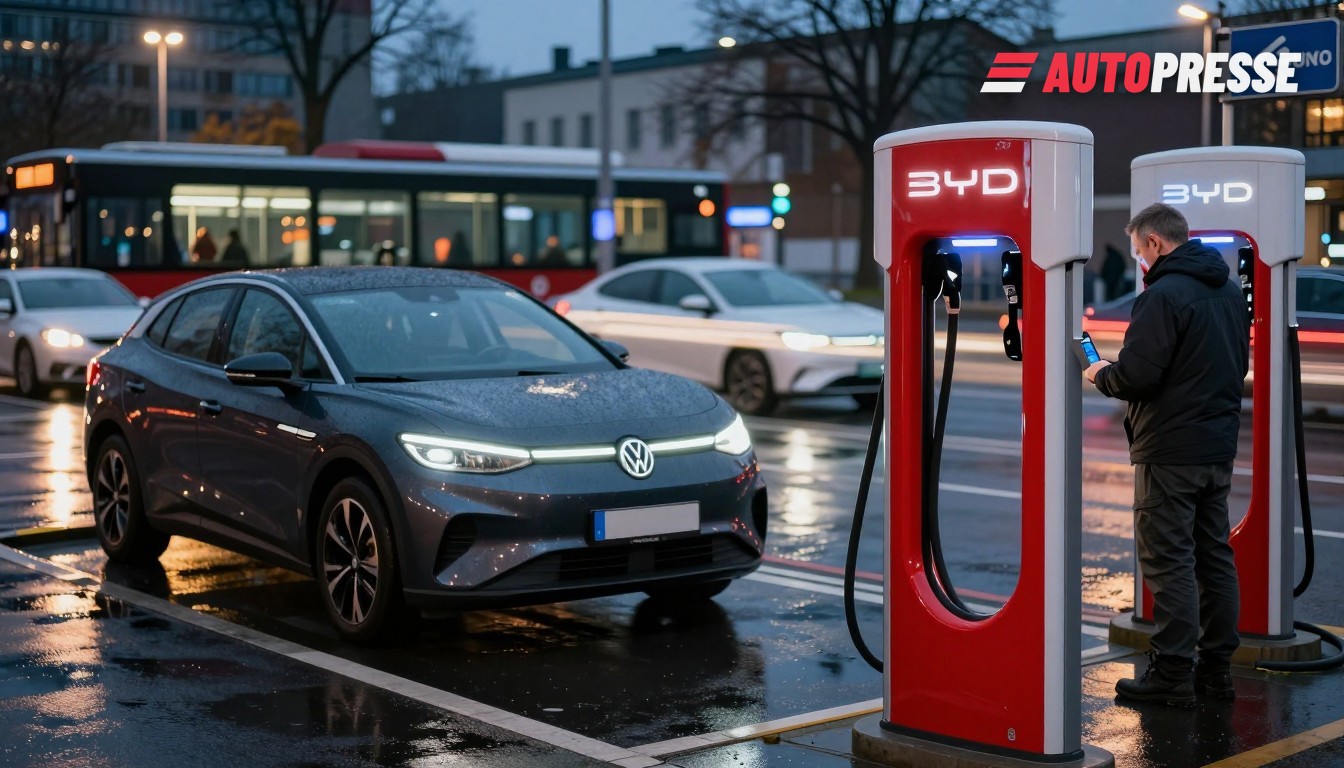
Germany and Austria recorded a sudden, measurable shift toward electric and electrified cars in October 2026 — a change that is already forcing OEMs, suppliers and dealers to rewire production and aftersales. In Germany, battery-electric vehicles (BEV) reached a record 37.0% share of new passenger‑car registrations in October (94,086 BEVs) as total new‑car registrations hit 254,492 that month.
Two markets, similar momentum, different scale
Austria’s official statistics show a comparable acceleration: in October 2026 Austria registered 8,434 battery‑electric passenger cars (34.9% market share for BEV in October) and, for January–October 2026, 67.6% of newly registered passenger cars used an alternative drive system (179,385 vehicles). "Since the start of 2026, 10.7% more new passenger cars have been registered in Austria than in the first 10 months of the previous year, with two‑thirds of these featuring an alternative drive system," said Manuela Lenk, Director General Statistics at Statistics Austria.
The German shift is accompanied by rapid brand‑level change: the Chinese manufacturer BYD moved ahead of Tesla in Germany for January–October 2026 registrations (47,961 vs 47,742 vehicles), illustrating how new entrants are winning scale fast in the two markets.
Industry strain: jobs, suppliers and imports
The electrification surge comes against a backdrop of structural stress inside Germany’s automotive industry. Official employment data and aggregated statistical tables show job losses across the sector: at the end of the first half of 2026 roughly 691,500 people worked in the German motor‑vehicle manufacturing sector, some 42,300 fewer than a year earlier — the lowest level since comparable records began. That fall is concentrated among parts suppliers as well as some assembly activities.
Suppliers face twin pressures: they must invest in electronics, battery systems and software while absorbing lower volumes for certain combustion‑powertrain parts. Dealers and workshop networks are likewise retooling: faster BEV uptake shifts revenue from parts to services such as high‑voltage repairs, software updates and charging services.
What this means for the market
For buyers: broader BEV choice and aggressive pricing from new entrants mean more electric models are available across price bands, but buyers should check local service and warranty networks carefully.
For dealers and workshops: expect continued investment in high‑voltage tooling, diagnostic software and staff re‑skilling. Regions with strong supplier clusters will see the most direct disruption as legacy component demand falls.
For suppliers and policymakers: the twin tasks are clear — speed up the transition to BEV and power‑electronics production, and manage the social costs of workforce shrinkage with retraining and regional industrial strategy. Austria’s rapid uptake (more than a third of October sales were BEVs and two‑thirds alternative drives so far in 2026) underlines how quickly demand orientation can change when models, incentives and charging availability align.
Electric vehicle listings on WorldTrader24 →
Sources: Kraftfahrt‑Bundesamt (via industry reports), Statistics Austria, Destatis (GENESIS)