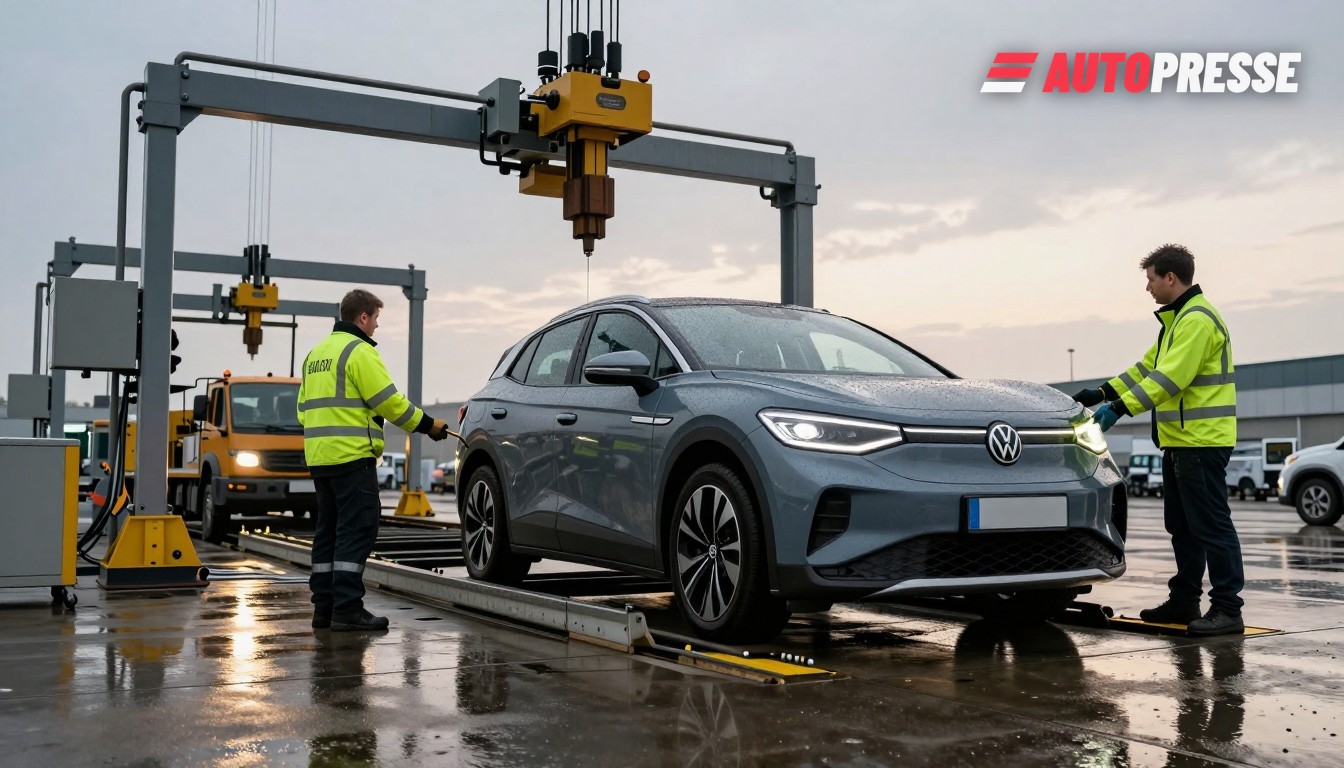
Germany’s auto industry is visibly changing course — not only electrifying cars but repurposing plants. Two moves this autumn show how manufacturers, governments and suppliers are chasing survival routes: Volkswagen opened an industrial dismantling line at its Zwickau vehicle plant on 28 October 2026, while a preliminary sale of VW’s Osnabrück site to investor Aurelius and the state of Lower Saxony was announced on 7 September 2026 to convert the site toward defence work. Both steps carry clear consequences for jobs, suppliers and regional clusters in Germany — and they come as Austria accelerates battery‑dismantling projects and circular‑economy research that could capture new value streams.
Zwickau’s circular bet and Osnabrück’s new mission
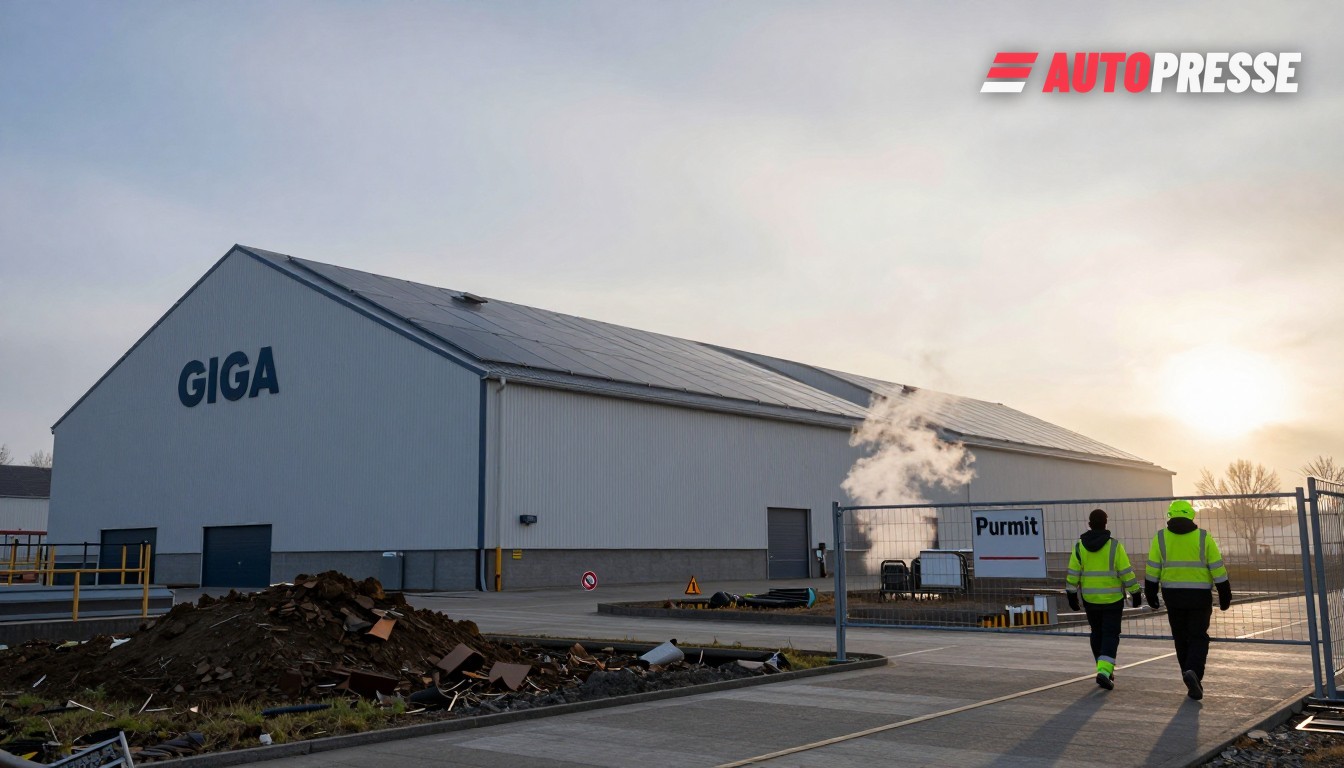
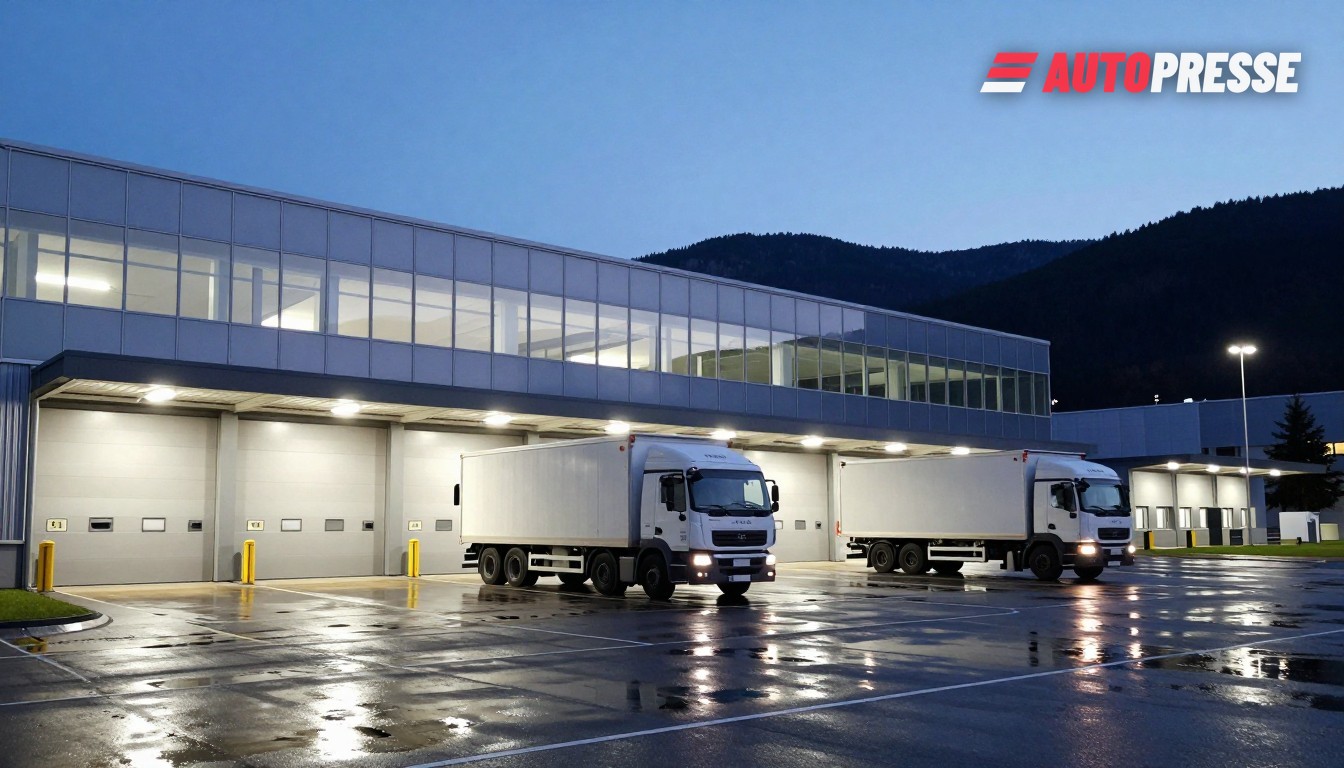
At Zwickau Volkswagen launched what it calls a “Circular Economy Hub” and the first industrial disassembly line on 28 October 2026; the company says the initial line will dismantle pre‑series and end‑of‑life vehicles and will start operations at scale from 2027, with an early target of roughly 4,100 vehicles a year and an initial workforce of about 100 on the line. Volkswagen executives framed dismantling as a way to “create value” from used cars rather than leave them as waste.
By contrast, the Osnabrück deal — announced in principle on 7 September 2026 — would see Aurelius Capital and Lower Saxony take over the plant and steer it to defence‑related production. Labour sources told Reuters the arrangement could preserve roughly 1,400 of about 1,800 jobs at the site, providing a very different reuse model for a German factory under strain from global competition.
Austrian moves: dismantling know‑how and industrial partners
Austrian industry and research groups are moving fast on battery dismantling and modular recovery. The Upper Austria Automotive Cluster’s “BattBox” consortium — led by plant engineering firm FILL and published as a success story by Austrian authorities on 9 June 2026 — has prototyped modular dismantling processes to improve safety, economics and reuse of traction batteries. At the same time voestalpine’s recent sustainability disclosures show the steel group is explicitly planning to scale secondary‑material streams and recovery of critical elements from batteries as part of its circular economy strategy. Together these projects position Austrian engineering and materials firms to supply recycling and remanufacturing chains being trialled in Germany.
Industrial context: strikes, sentiment and policy pressure
The moves come amid a fragile industrial backdrop. The ifo institute reported a marked improvement in automotive sentiment in Germany on 4 November 2026, citing political initiatives and joint industrial strategies as factors — even as companies continue to restructure. Meanwhile IG Metall‑organised warning strikes continued into November (for example actions on 5 November at sites including LAPP and Mercedes‑Benz in Sindelfingen), underlining persistent labour pressure during plant transitions. These economic, political and social forces are shaping which reuse path — recycling, defence conversion, subcontracting or closure — becomes feasible for each site.
What this means for the market
These twin trends — industrial recycling hubs and non‑automotive reuse of plant capacity — change where value sits in the supply chain. Recycling and battery dismantling create new, mostly local supplier opportunities (mechanical disassembly, black‑mass processing, remanufacturing) that favour engineering houses and materials groups; defence conversion shifts demand toward military suppliers and specialist sub‑contractors. For buyers, dealers and workers the result is mixed: recycling hubs can preserve manufacturing activity in existing plants and open second‑life revenue streams, but conversion to defence or major downsizing will reshape regional employment profiles. Policy choices — grants for circular plants, procurement rules and approval of plant sales — will decide how many jobs remain in civilian car‑sector supply chains.
VW electric models on WorldTrader24 →
Sources: Reuters, Volkswagen Newsroom, ifo Institute, IG Metall, voestalpine, Automotive Cluster Austria