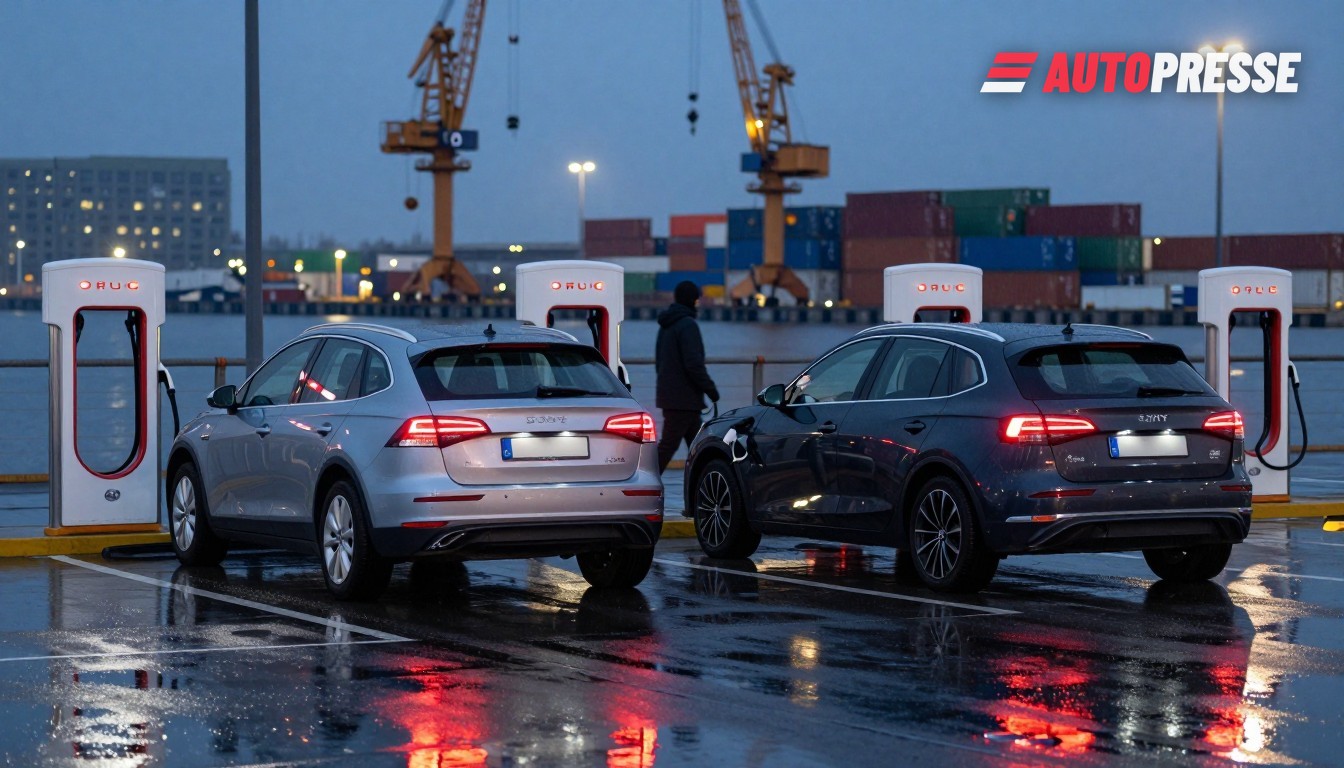
October 2026 brought another sharp turn in the German and Austrian vehicle markets: Germany recorded 254,492 new passenger‑car registrations in October, with battery‑electric vehicles (BEVs) taking roughly 37% of that month’s volume; the result is a market where alternative drivetrains now dominate new‑car demand.
Numbers and shifts
In Germany the VDA and KBA data show the market growing only modestly in October (+1.7% year‑on‑year) but with a very different composition: roughly 94,000 BEV new registrations were reported for the month, while hybrids and other alternative drivetrains also captured large shares of demand.
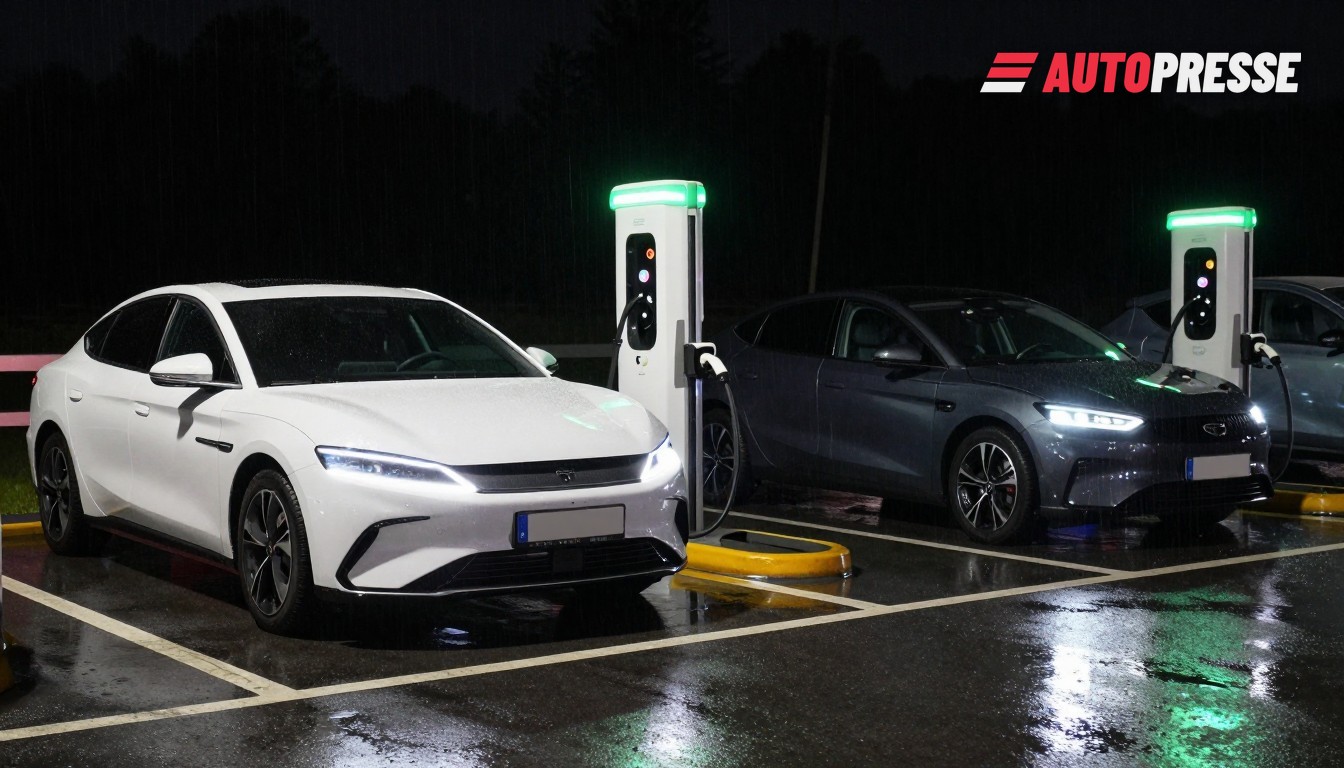
One striking sub‑trend is the fast growth of Chinese brands in Germany: October saw about 17,075 new passenger cars from Chinese marques, almost doubling year‑on‑year and signalling that import‑led competition is building at the lower and mid price points.
Across the border in Austria the picture is similar but on a smaller scale: Statistik Austria reports that January–October 2026 registrations were up 10.7% versus the same period in 2025 (265,282 new passenger cars); in October BEVs accounted for 34.9% of new cars and for the month BEV registrations exceeded petrol+diesel by 2,494 units.
Used cars, prices and dealer stocks
The rapid new‑car electrification is already visible in the used market. DAT’s monthly market analysis and AutoScout24’s AGPI show a mixed used‑car picture in October 2026: overall used volumes remain below last year’s cumulative total, but used‑electric prices are bucking the wider slide — in several age classes EV values rose even while petrol and diesel values softened. That divergence is shifting trade‑in behaviour and remarketing margins for dealers.
Dealers report tighter availability of popular BEV models and rising imports of competitively priced Chinese EVs, which compress margins on some fleet and retail segments but increase consumer choice — especially in the small‑to‑compact EV segments.
What this means for the market
For buyers: rising BEV availability and growing competition (notably from Chinese marques) are widening choice and putting downward pressure on list‑price premiums for many EVs, even as desirable used BEVs hold value. For dealers: stocking decisions are more complex — they must balance strong BEV demand against slower resale values for some combustion models and the arrival of low‑price imports. For manufacturers and suppliers: the mix shift accelerates the need for software, charging and battery supply chain focus rather than purely volume planning.
In short, Germany and Austria are now in the next phase of electrification: volumes are rising, buyer behaviour is bifurcating between new BEV demand and cautious combustion resale, and new competitors are crowding the market. That combination will reshape remarketing channels, dealer margins and procurement through 2027.
Electric vehicle listings on WorldTrader24 →
Sources: Kraftfahrt‑Bundesamt/VDA, Statistik Austria, DAT, AutoScout24, ChinaCarGuide