The German and Austrian auto industries are no longer only building cars — they are building software talent. In 2026 a wave of corporate campuses, research‑industry courses and regional upskilling programmes is closing a skills gap that has become strategic for vehicle makers and suppliers across both countries.
Big tech hubs and public research scale training
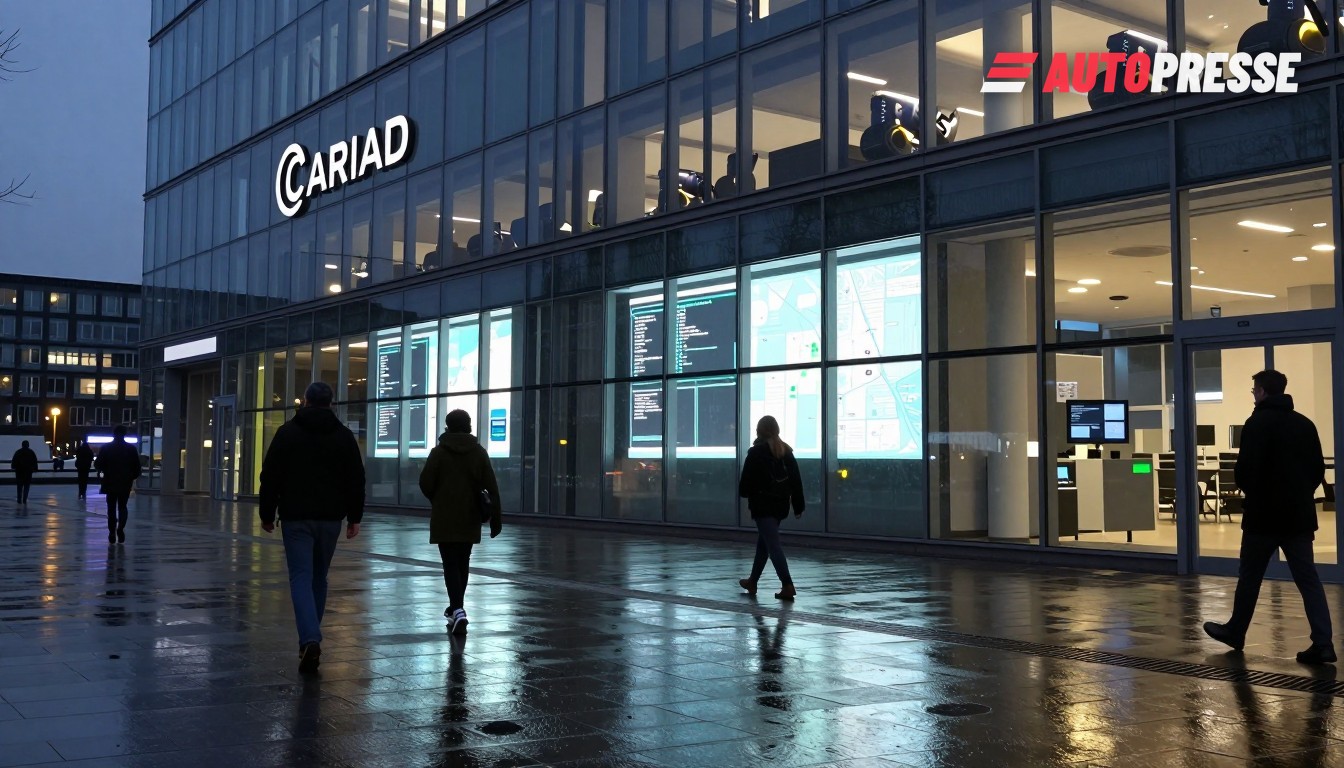
Volkswagen Group’s software unit CARIAD opened an Automotive Software Campus in Berlin in June 2026 and says around 1,000 experts work there on AI and software for the group’s vehicles, concentrating development of perception, digital assistants and ADAS toolchains at the new site.
At the same time Germany’s research institutions are expanding low‑barrier AI training: the Fraunhofer IAIS “KI in der Berufsausbildung” initiative reports broad participation in vocational AI education and has been active in embedding basic AI skills into apprenticeships and teacher training.
Austria has matched the push with regionally focused continuing education. FH JOANNEUM and the TU Graz Lifelong‑Learning units extended compact workshop series and certificate courses in AI and automotive software in 2026, aimed at technicians and production staff rather than just PhDs — a deliberate shift to upskill the existing workforce.
Context: production and demand
Industry numbers show why skills matter. The VDA reports that German passenger‑car production in 2026 remains under pressure year‑to‑date (3.03 million units reported through September 2026) even as demand for software‑rich BEVs has surged in buyer interest. Austria’s vehicle market has also grown: Statistik Austria recorded a 10.7% rise in new passenger‑car registrations from January to October 2026, underscoring continued demand that relies increasingly on digital vehicle features.
The combined picture — resilient sales in some segments, pressured production volumes and rapid BEV/software adoption — is driving a two‑track response: OEMs centralise software teams in city tech hubs while research centres and regional universities convert short courses and workshops into practical reskilling for plant and supplier employees.
What this means for the market
First, competition for developers will intensify in cities such as Berlin, Vienna and Graz; firms that cannot offer clear career paths into automotive software risk higher recruitment costs and slower product cycles. (Evidence: CARIAD’s 1,000‑person campus and its centralisation of AI work in Berlin.)
Second, upskilling lowers the bar for suppliers and workshops to add software services and diagnostic capabilities — a crucial change as vehicles shift from mechanical to software maintenance. Fraunhofer and regional universities’ short courses aim directly at this need.
Third, location strategy will matter: OEMs concentrating R&D in urban software campuses can still invest in plant‑level digital skills via local training, potentially preserving production jobs while transforming their content. VDA production and Austria registration figures show both the challenge and the commercial incentive to act.
For drivers and dealers the near‑term effect is more software features, faster OTA updates and a growing need for certified software diagnostics at service points. For employees it means new training tracks and more frequent collaboration between companies and regional universities.
Electric vehicle listings on WorldTrader24 →
Sources: CARIAD (Volkswagen Group), Fraunhofer IAIS, FH JOANNEUM, VDA, Statistik Austria