Germany’s car industry is split between headline investments from large OEMs and a worrying retreat by many small suppliers — a divergence that matters for drivers, dealers and factory workers in both Germany and Austria. BMW this autumn announced roughly €2 billion of investment to ready Munich, Dingolfing and a new battery site for the eighth‑generation 3‑Series (press release: 30 September 2026). At the same time a VDA survey (published 25 November 2026) shows 66% of surveyed suppliers are postponing, relocating or cancelling investments in Germany and 54% are cutting domestic headcount. Those facts sit alongside broader economic strains: the federal “Schlaglichter” report notes corporate insolvencies remained high, with 18,932 insolvencies between November 2025 and October 2026 (IWH trend, +8.8%).
Two Germanys: big OEM bets, SMEs pull back
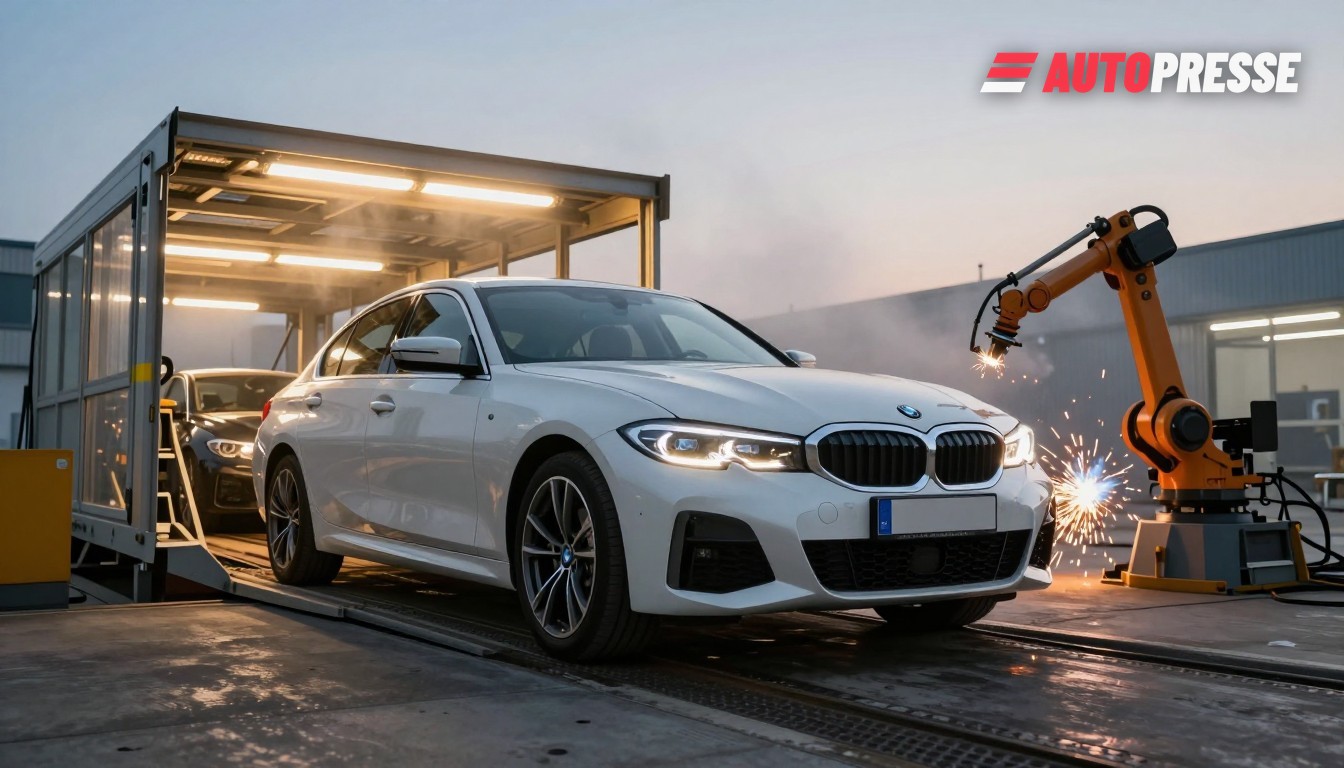
BMW framed its move as a vote of confidence in German production: the company said it has invested “around two billion euros” into vehicle production and a new battery plant at Irlbach‑Straßkirchen, preparing Munich and Dingolfing for the new 3‑Series and the fully electric BMW i3 variant — a strategy BMW calls a reassurance of “industrial strength ‘Made in Germany’.” The release notes the battery site will supply Munich from October and that about 760 supplier locations will feed the two vehicle plants, with over 30% of those located in Germany.
But the VDA’s survey of 125 suppliers (fieldwork 16 Oct–3 Nov 2026) paints a different, simultaneous story at smaller firms: 66% reported they are postponing, cancelling or shifting investments away from Germany; 54% are reducing their German workforce while 43% of those cutting staff are creating jobs abroad. Energy and bureaucracy topped the list of burdens, and only 21% of firms expect an improvement in the coming 12 months. VDA president Hildegard Müller warned this is a “crisis of Germany as a business location” requiring reforms on costs, levies and grid capacity.
Austria: contiguous risks, selective opportunities
Austria’s suppliers and workshops sit close to both the OEM investments and the SME headwinds. The VDA survey highlights that when German suppliers shift investment abroad they most often target the USA and India — a move that can reroute orders and engineering work away from Austrian tier suppliers as well as German ones. The VDA also flagged technology‑neutral CO₂ rules and faster commercial‑vehicle regulation reviews as important to avoid penalising European manufacturers while infrastructure gaps (charging and grids) persist. For Austrian companies embedded in German supply chains, those policy signals matter directly.
What this means for the market
The net effect is a more fragmented industrial map: headline investments such as BMW’s sustain volume and high‑skill jobs at specific German sites, but the VDA data show a clear risk of hollowing‑out across the supplier base if investment conditions do not improve. Elevated insolvency figures and high energy and administrative costs increase the chance that smaller suppliers will either consolidate, relocate or pivot to higher‑margin services. Policymakers’ ability to stabilise costs, speed permitting processes and shore up grids will determine whether Germany remains a place where OEMs can scale production without seeing the supplier network erode — and whether Austria shares in new industrial activity or loses orders to more competitive locations abroad.
WorldTrader24 B2B-Fahrzeugmarkt für Händler →
Sources: VDA, BMW Group, Federal Ministry for Economic Affairs (Schlaglichter)