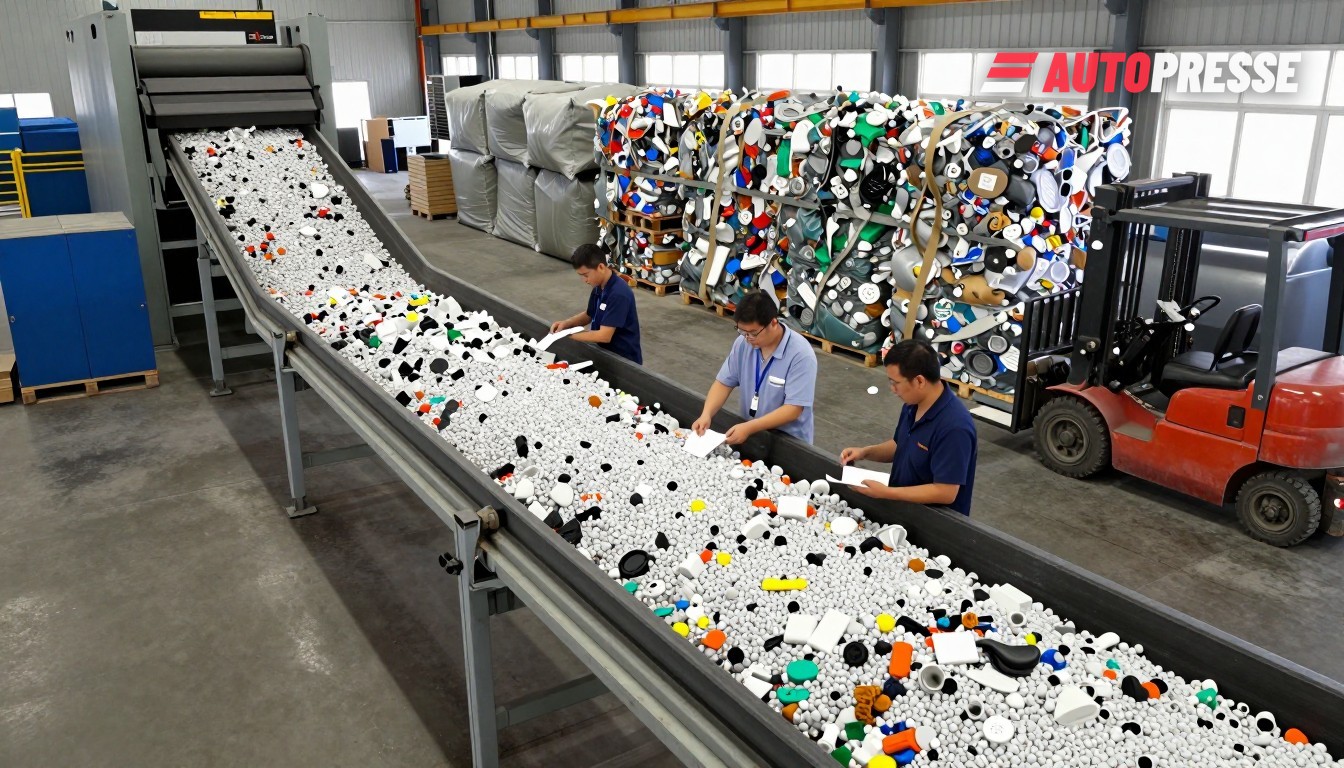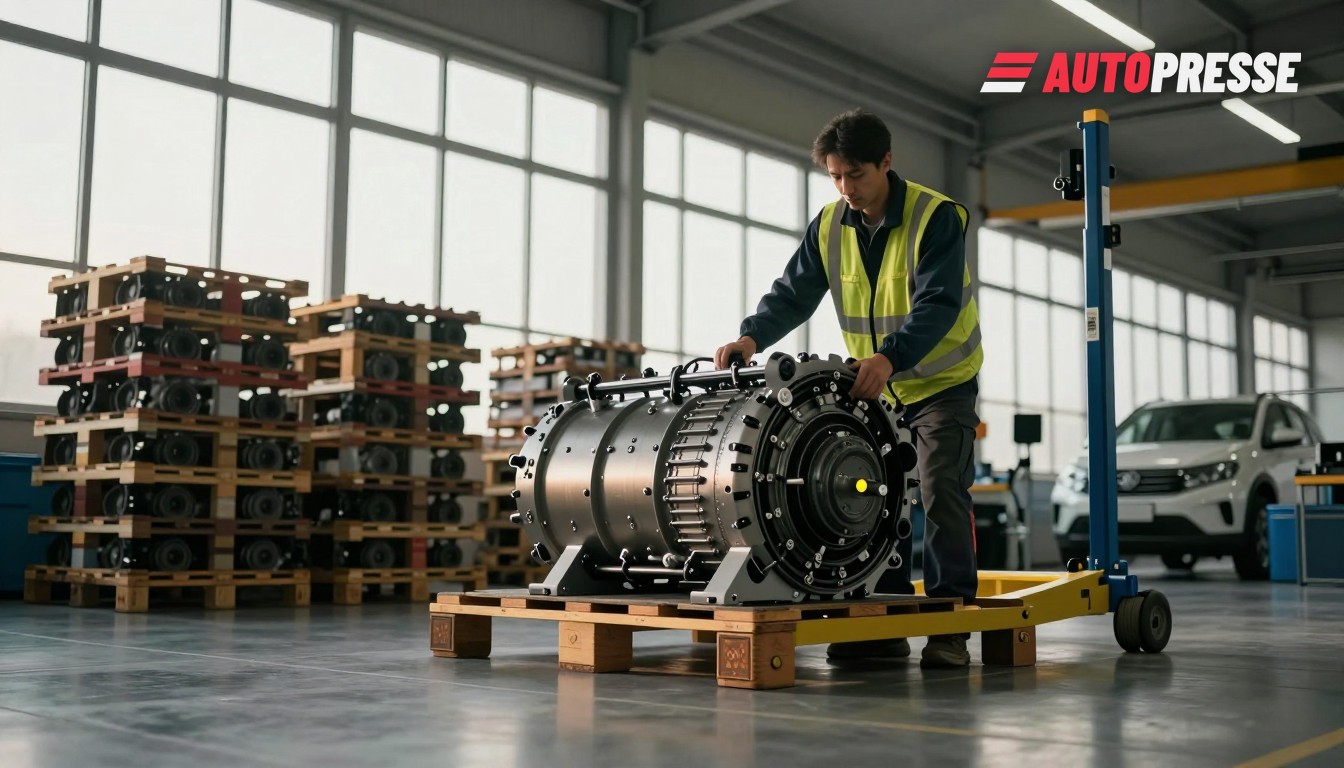
Germany and Austria’s supplier community is quietly shifting from capacity cuts and big‑ticket investments to an equally decisive play: remanufacturing and component‑level EV repair. For drivers, dealers and local suppliers this means cheaper, faster repairs and a new revenue stream for mid‑tier plants that once relied on volume new‑parts sales.
Tools and scale: who is pushing repair‑first
At Automechanika Frankfurt on 8 September 2026 ZF Aftermarket unveiled a family of E‑Mobility Repair Kits and expanded remanufactured SKUs designed to let independent workshops repair electric motors, inverters and hybrid modules at component level rather than replace whole assemblies — ZF said the kits and reman options cover around 92% of Europe’s Top‑20 EV parc and include more than 100 repair‑kit variants and roughly 2,400 reman transmission SKUs.
Industry trade bodies and aftermarket operators have backed the approach. LKQ Europe published a ten‑point roadmap on 27 July 2026 calling for scaled adoption of reused, recycled and remanufactured parts, faster technician training and better traceability to make cost‑effective repair mainstream across Europe — the white paper sets concrete targets including upskilling 24,000 technicians by 2028.
Environmental and economic data
Life‑cycle analyses presented at the show and in specialist press show big environmental wins for reman: a November 11, 2026 analysis reported by AMZ found remanufactured e‑motors reduce environmental impacts by at least 67% and performance‑electronics remanufacture can lower impacts by roughly 47%. Those numbers are feeding commercial arguments: Recycling International cited McKinsey on 27 May 2026 that the global automotive remanufacturing market is worth about €44 billion and could double within four years, underlining the scale of the opportunity.
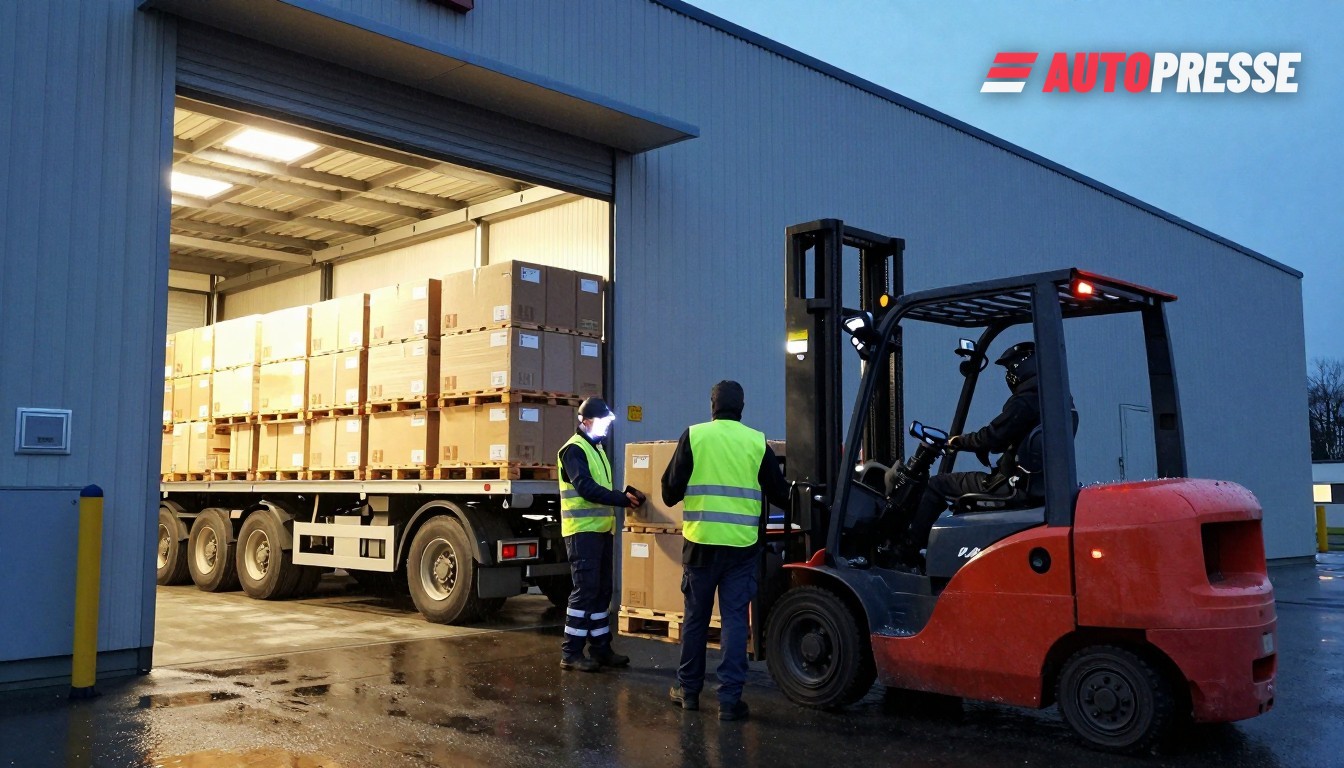
Operational data underline market readiness. A FAAS survey of remanufacturing actors shows nearly 85% of wholesalers already distribute remanufactured parts and 90% of workshops say their preferred wholesaler offers such products — the report also notes many firms plan to expand reman portfolios, though logistics and quality perception remain barriers.
What this means for the market
For suppliers: remanufacturing and targeted repair reduce dependence on new‑part volume and let mid‑tier plants capture higher value per vehicle returned. For workshops and insurers: component‑level fixes and certified reman parts can cut repair bills by 30–60% in many cases, while shortening lead times where local cores are managed digitally. For drivers: better repair options keep vehicles on the road longer at lower cost, and fleet operators get lower TCO pathways for electrified vehicles. These benefits depend on scaling certified reman supply chains, harmonised warranties and robust return logistics — the exact priorities identified by LKQ and FAAS.
The speed of adoption will hinge on two practical items: investment in workshop training and fast, local core‑collection logistics. At present the tools and business cases exist — ZF’s kits and Europe‑wide reman roadmaps show suppliers are moving from pilot to product. If Germany and Austria build the logistics and standards that LKQ and FAAS recommend, remanufacturing could become a stabiliser for supply chains and regional jobs while cutting raw‑material demand.
B2B vehicle marketplace for dealers on WorldTrader24 →
Sources: ZF Aftermarket, AMZ (amz.de), LKQ Europe, Recycling International, FAAS report