Germany and Austria’s logistics chains entered a new regulatory era this year: Brussels removed the long‑standing €150 de‑minimis exemption on distance sales and then set a Union handling fee, forcing carriers, marketplaces and small importers to change routing, customs IT and pricing. The twin measures — a temporary €3 flat duty on low‑value consignments (applied from 1 July 2026) and a €2 Union handling fee (applied from 1 November 2026) — together add roughly €5 of customs cost per small parcel in many cases, shifting margin and routing decisions across DACH logistics networks.
What changed and when
The European Commission’s Customs Reform ended the €150 duty exemption that applied to many consumer parcels: from 1 July 2026 a temporary flat duty of €3 applies to low‑value distance sales under the transitional rules, while the recast Union Customs Code (Regulation (EU) 2026/2108) created authority to levy a handling fee. The Commission adopted a delegated act fixing that Union handling fee at €2 per item; the delegated Regulation was published in October and the fee entered into effect from 1 November 2026.
Brussels also tightened data: a Product Identifier (PID) and richer line‑item data are now mandatory for many B2C imports from outside the EU from 1 November 2026 — a step the parcel operators say requires system and scanning changes at hubs across Germany and Austria. National customs services and carriers have issued guidance and circulars to implement the new declarations.
Immediate market reaction
Forwarders, postal operators and marketplaces warned that the combined €3 duty plus €2 handling fee will raise per‑parcel costs, encourage fewer small‑value consignments and change how sellers price returns and shipping. Freight and postal groups say IT upgrades, new data flows and reworked brokerage models are already consuming operational budgets; trade advisers and accountancy firms published how‑to notes for European shippers and marketplaces in October–November 2026.
What this means for the market
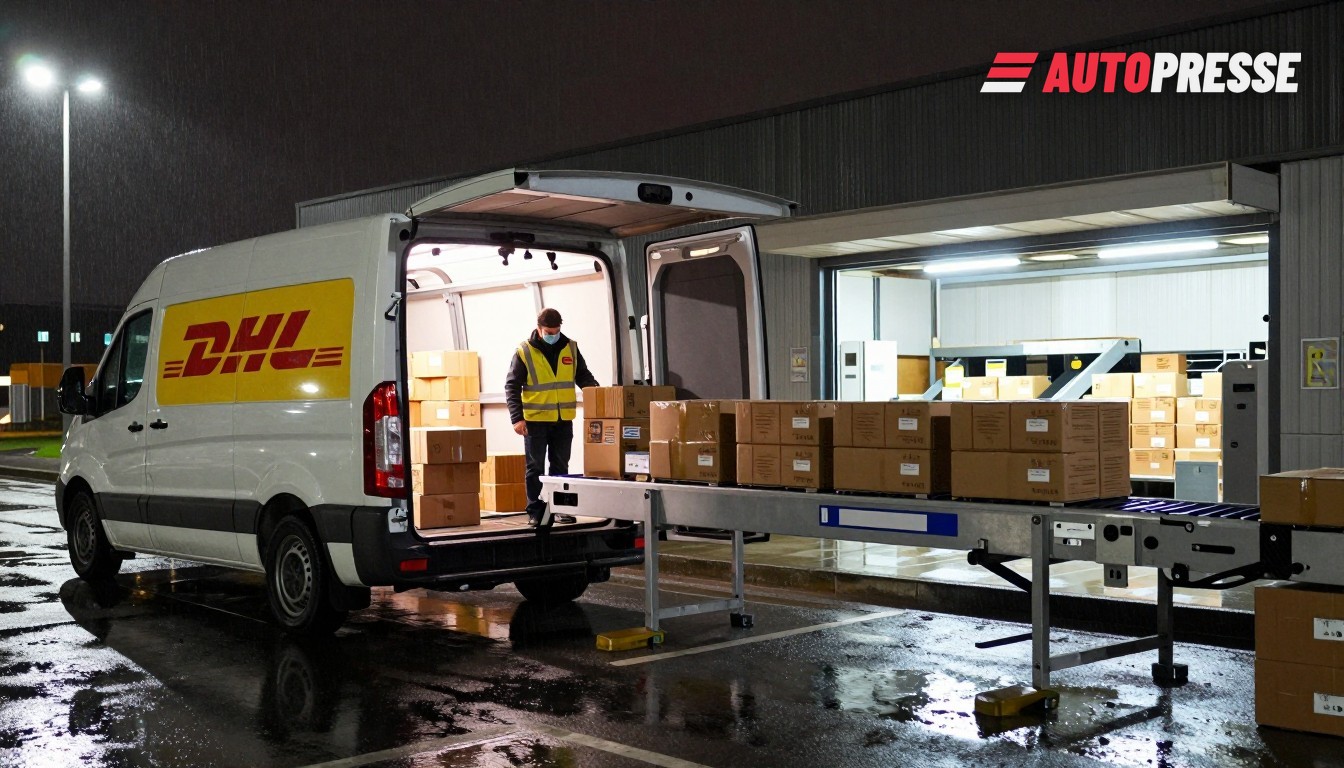
Short term: German and Austrian parcel hubs will see more work on data validation, more split‑declarations and a higher share of brokered imports as platforms and carriers absorb or pass on the new €2 handling fee and the €3 duty. Mid term: logistics buyers expect routing changes — larger consolidated shipments, more intra‑EU warehousing, and a higher threshold for direct parcel imports from non‑EU sellers. For small importers and aftermarket parts suppliers this raises landed cost for single‑item shipments (spare parts, accessories), pushing some businesses to local warehousing or EU‑based fulfilment. The European Commission’s rules also shift legal responsibility to non‑EU platforms and sellers, which will force marketplaces to tighten onboarding and customs compliance.
For Germany and Austria — where dense workshop networks, fast spare‑parts deliveries and high cross‑border e‑commerce volumes matter to dealers, independents and consumers — the reform will be felt as higher per‑item handling charges, paperwork at hubs and an incentive to reroute stock into EU warehouses. Logistics teams should prioritise declaration automation, product identifiers and consolidated shipping to protect margins.
Sources: European Commission, Forwarder News, PwC Switzerland, DHL, EY