The EU’s new Right‑to‑Repair rules are now law on the ground in Germany and Austria — but they apply to specific product groups, not wholesale to whole cars. Germany published its implementing law in the Bundesgesetzblatt on 22 July 2026 (law dated 16 July 2026), while Austria completed transposition with national changes effective 1 October 2026. These dates matter for drivers, independent workshops and suppliers who must now adapt information, spare‑parts and pricing practices.
What the laws require
The EU Directive (EU) 2024/1799 — adopted 13 June 2024 — requires Member States to ensure manufacturers repair goods “for which, and to the extent that, repairability requirements are provided for by Union legal acts listed in Annex II.” The directive came into practical effect for member‑state transposition by 31 July 2026. Germany’s implementing act inserts a manufacturer repair obligation and new information duties into the Civil Code, and explicitly requires that spare parts and repair tools be offered at a reasonable price so as not to deter repair. The law also extends the limitation period once a consumer chooses repair: the original warranty/limitation is extended by a further 12 months after a successful repair‑type remedy.
Austria’s WaRUG transposition likewise changes the Konsumentenschutzgesetz and related statutes and establishes the European repair‑information form and the same transparency duties; the Austrian measures entered into force on 1 October 2026. Both national laws implement the Directive’s rule that manufacturers cannot use hardware or software techniques to obstruct lawful repairs except for objectively justified reasons such as IP protection.
Scope: cars, components and workshop access
Crucially for the auto sector: Articles 5 and 6 of the EU text only apply where repairability requirements exist in the Union acts listed in Annex II. Annex II currently links repair obligations to product‑specific EU rules (for example certain electronic displays, household appliances and measures covering batteries used in light means of transport), not to the full motor‑vehicle type‑approval regime. In short: whole passenger cars are not universally swept into the repair obligation today; certain components and goods connected to light transport batteries are within scope and may force changes in parts availability and repair information.
What this means for the market
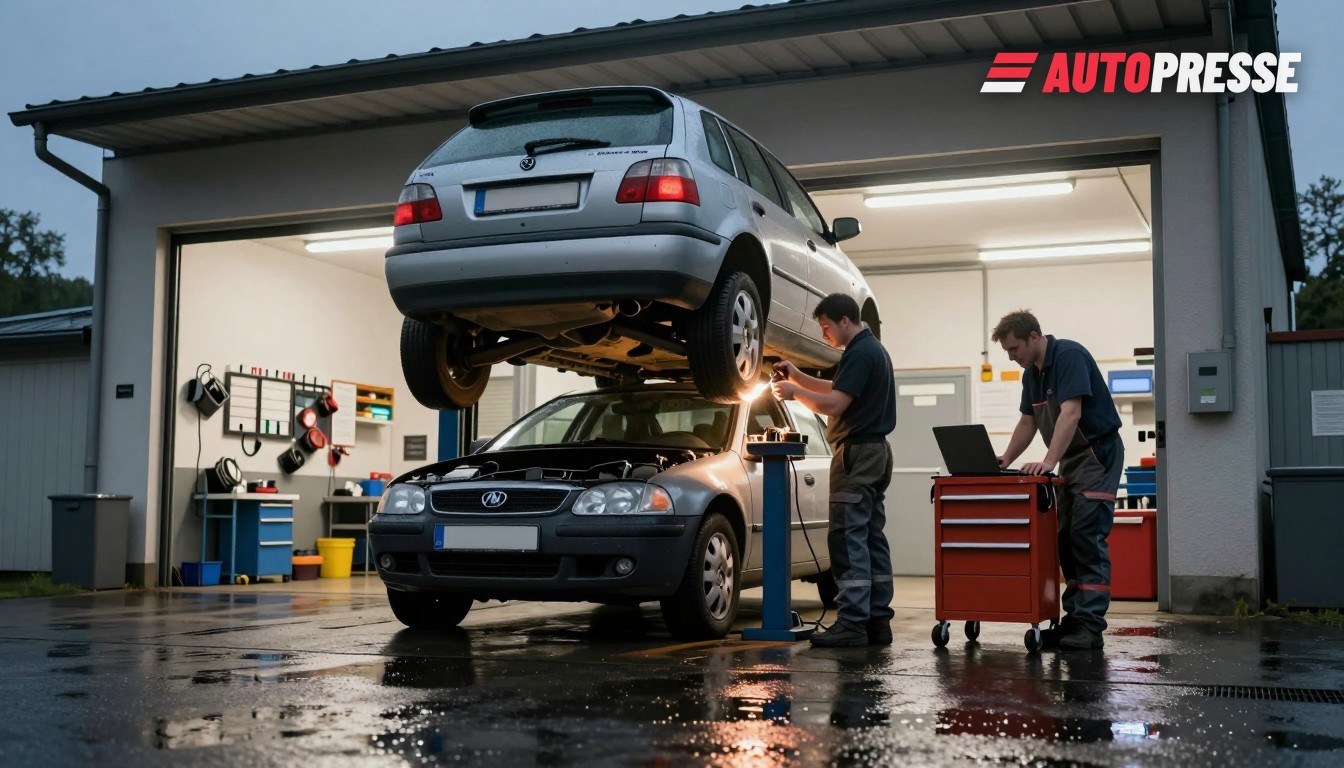
Independent workshops gain stronger legal footing to obtain repair information, price indicators and parts for the product groups covered — and consumers get a statutory right to ask manufacturers to repair covered goods rather than be offered a replacement. Trade groups for the independent aftermarket welcomed the push at Automechanika in September 2026 as a basis to press for broader vehicle measures. At the same time, Germany’s and Austria’s laws obliging manufacturers to supply parts at reasonable prices will put new pressure on suppliers already carrying heavy debt burdens, a structural concern flagged in recent industry studies. That tension — between more repair rights and strained supplier margins — will shape pricing and lead times in 2027.
For dealers, OEM service networks and large franchised workshops the immediate challenge is compliance: publish clear repair‑service information, offer indicative repair prices and make repair‑related tools and parts available within the legal deadlines. For independent garages the law is a lever to demand timely parts and documentation for covered components; for manufacturers and Tier‑1 suppliers (parts makers such as Bosch) it is a prompt to rework spare‑parts distribution and pricing policies.
Sources: European Commission, Bundesgesetzblatt (BGBl.)