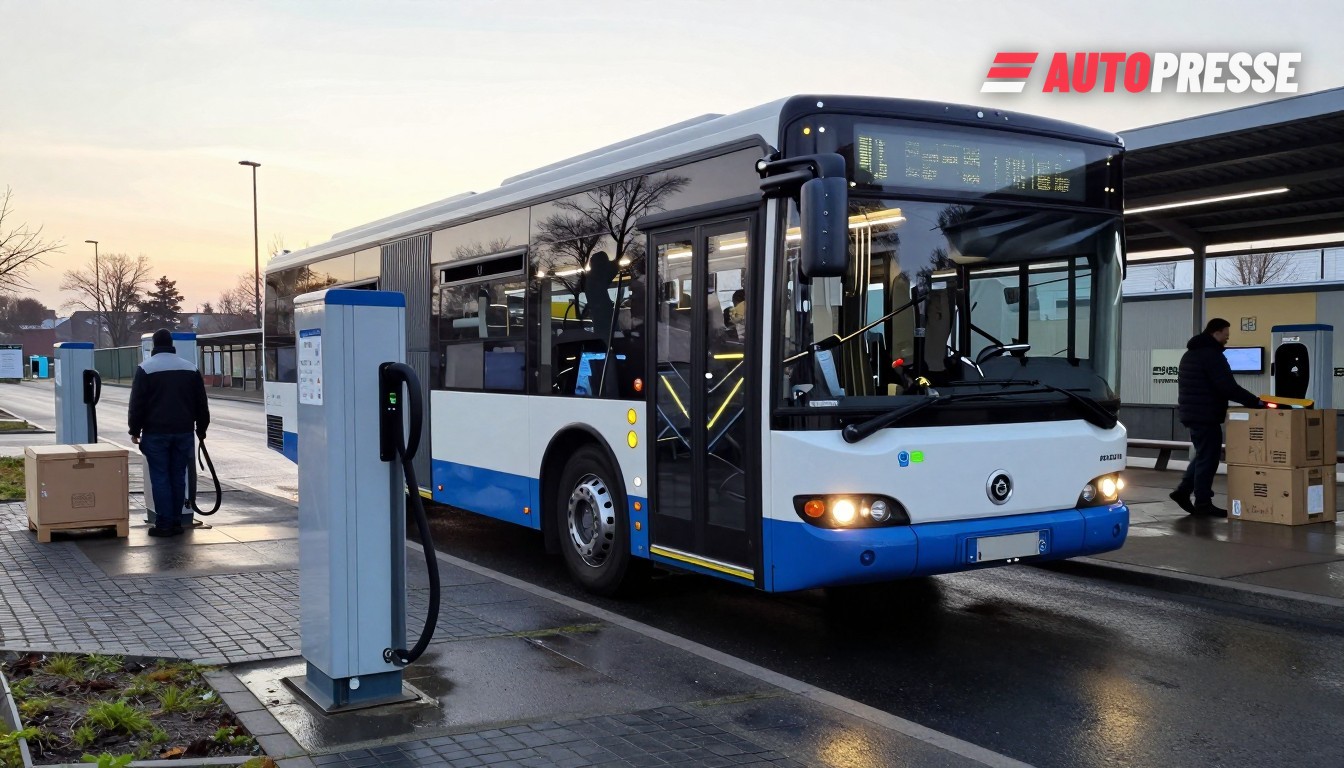
On 1 January 2026 the Clean Vehicles Directive (CVD) moved into its second reference period and with it binding procurement math for Germany and Austria: for light vehicles both Member States must ensure 38.5% of public procurement falls to 'clean' vehicles, while heavy‑duty targets rise sharply — including a 65% minimum for buses (half of that must be zero‑emission). These EU targets change what municipalities, transport operators and fleet managers can buy and how they report it.
Rules, reporting and the national roll‑out
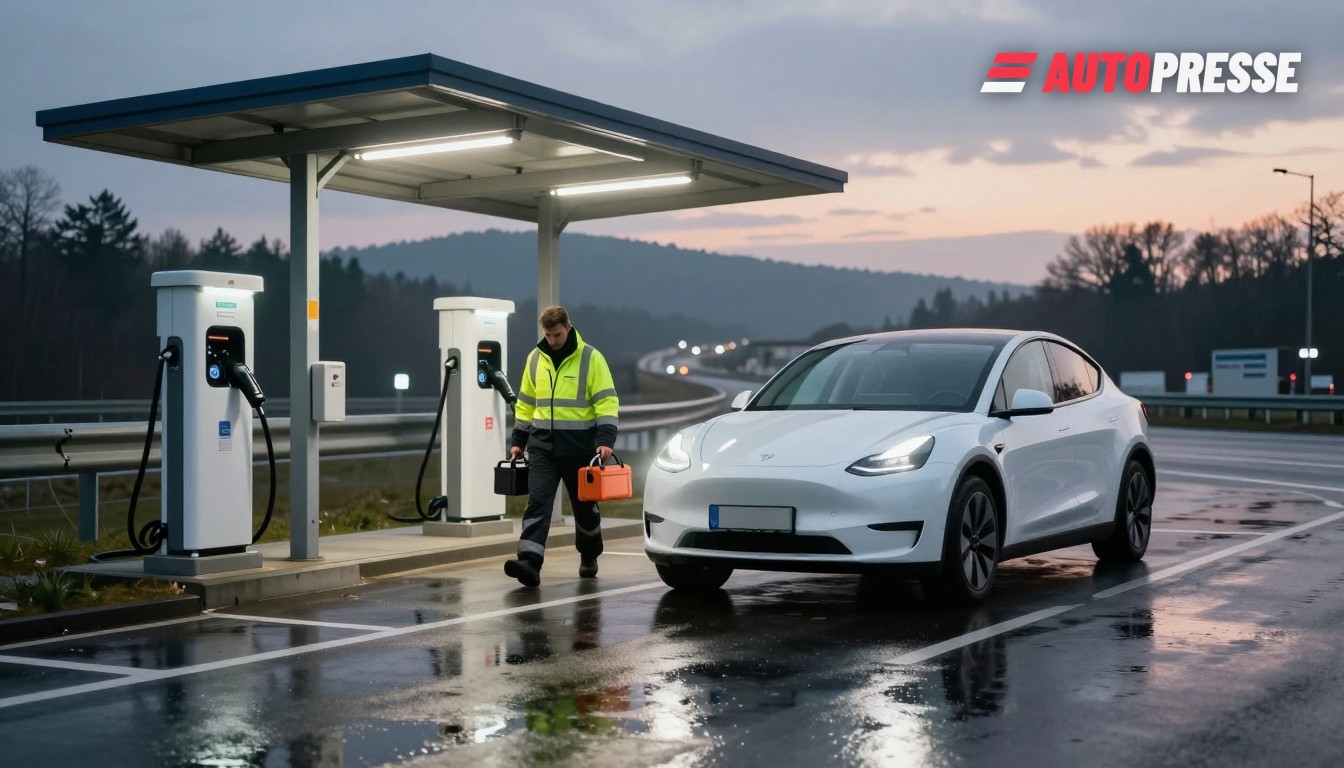
The CVD redefines a ‘clean light‑duty vehicle’ from 1 January 2026: only zero‑emission cars and vans qualify, removing plug‑in hybrids from the category used in the first period. That technical change forces procurement teams to choose battery or fuel‑cell vehicles where available — and to secure depot charging or hydrogen refuelling capacity in parallel.
Member States were required to report on implementation to the Commission by 18 April 2026 under the reporting timetable set out in EU law; national monitoring is now expected on a multi‑year rhythm. The reporting requirement forces central and local administrations to tighten their data flows and to document each eligible tender in the EU Tender Electronic Database (TED).
Germany has translated the Directive into national practice via the Saubere‑Fahrzeuge‑Beschaffungs‑Gesetz and updated guidance for contracting authorities. The Federal ministry (BMDV) published a practical Leitfaden in mid‑2025 to help federal, state and municipal procurement offices apply the law, collect the required data and use the new electronic standard forms (eForms‑DE). That guidance explicitly links procurement compliance to the monitoring and documentation duties now under way.
Austria implemented the CVD via its Straßenfahrzeug‑Beschaffungsgesetz (SFBG) and has required public bodies to submit standardised reports; regional and municipal authorities have been reminded of central electronic submission tools and of the stricter post‑2025 definitions that count only emissions‑free light vehicles as ‘clean’. The Austrian parliamentary notes and municipal guidance stress that each contracting authority must meet its share within the national reference period.
What this means for the market
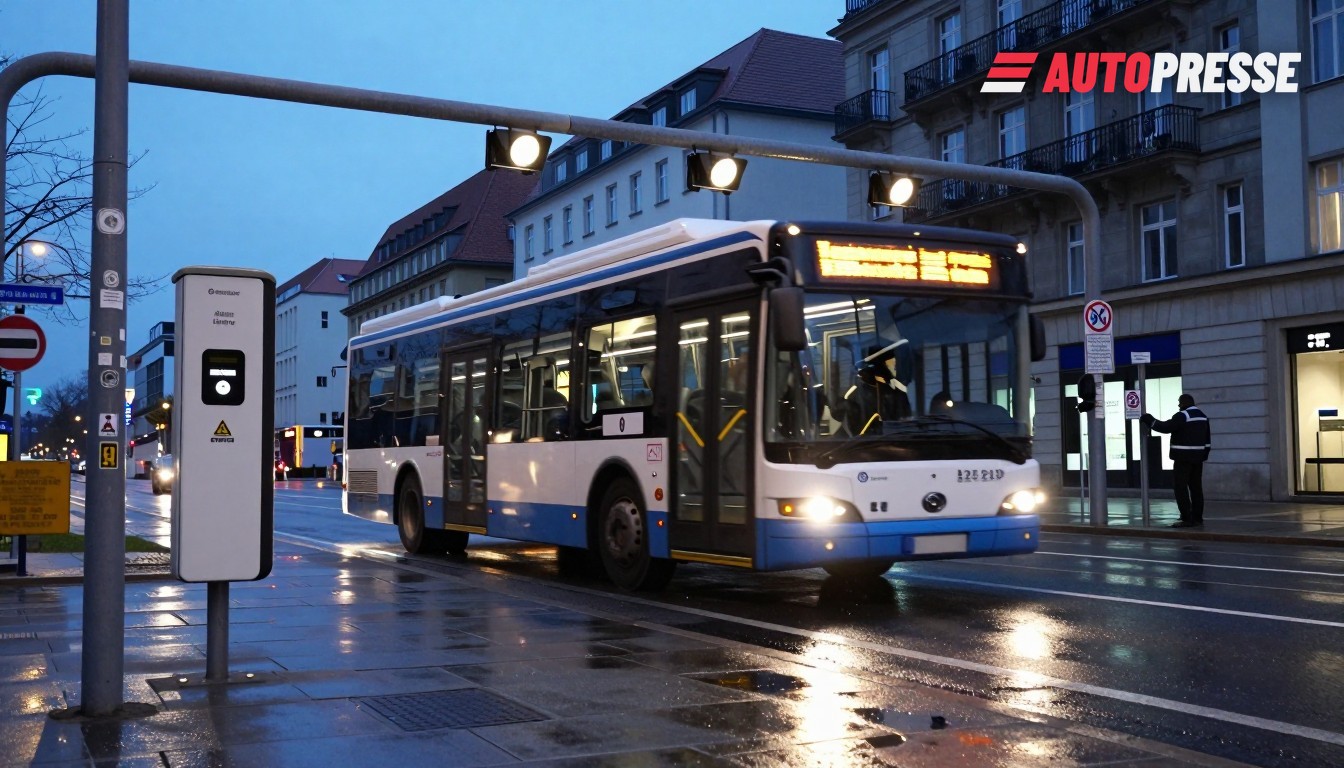
Procurement quotas immediately scale demand for zero‑emission cars, vans and urban buses. For buses the shift is especially stark: the CVD requires a large share to be zero‑emission and national targets push public tenders toward BEV or fuel‑cell buses, raising pressure on manufacturers and depot infrastructure. Independent analysis highlights that higher bus targets are a key pressure point for Member States because public procurement covers a large share of urban bus purchases and electrifying entire fleets requires lead times for vehicles and chargers.
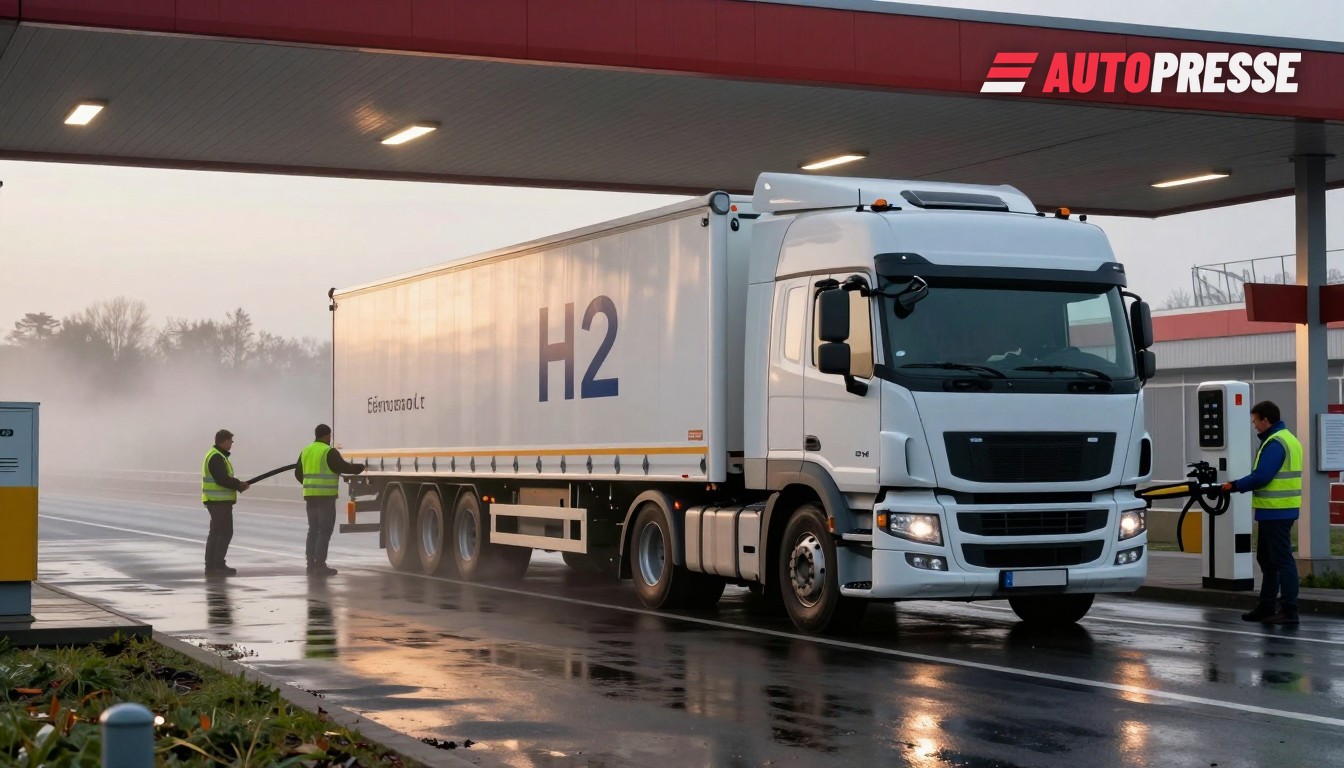
In practice the Directive raises three immediate priorities for Germany and Austria: (1) procurement teams must adopt new technical specifications and scoring to prefer zero‑emission vehicles; (2) transport operators need fast delivery windows or retrofit options for depots and charging; (3) reporting and TED data quality must improve so national quotas can be demonstrated to Brussels. The national guidance published in Germany and the reporting instructions in Austria already aim to ease that transition, but implementation will be the test for municipal budgets and supply chains over 2026–2030.
WorldTrader24 transporter listings for dealers →
Sources: European Commission, EUR‑Lex (EU decision), Bundesministerium (BMDV) guidance, Austrian Parliament, ICCT