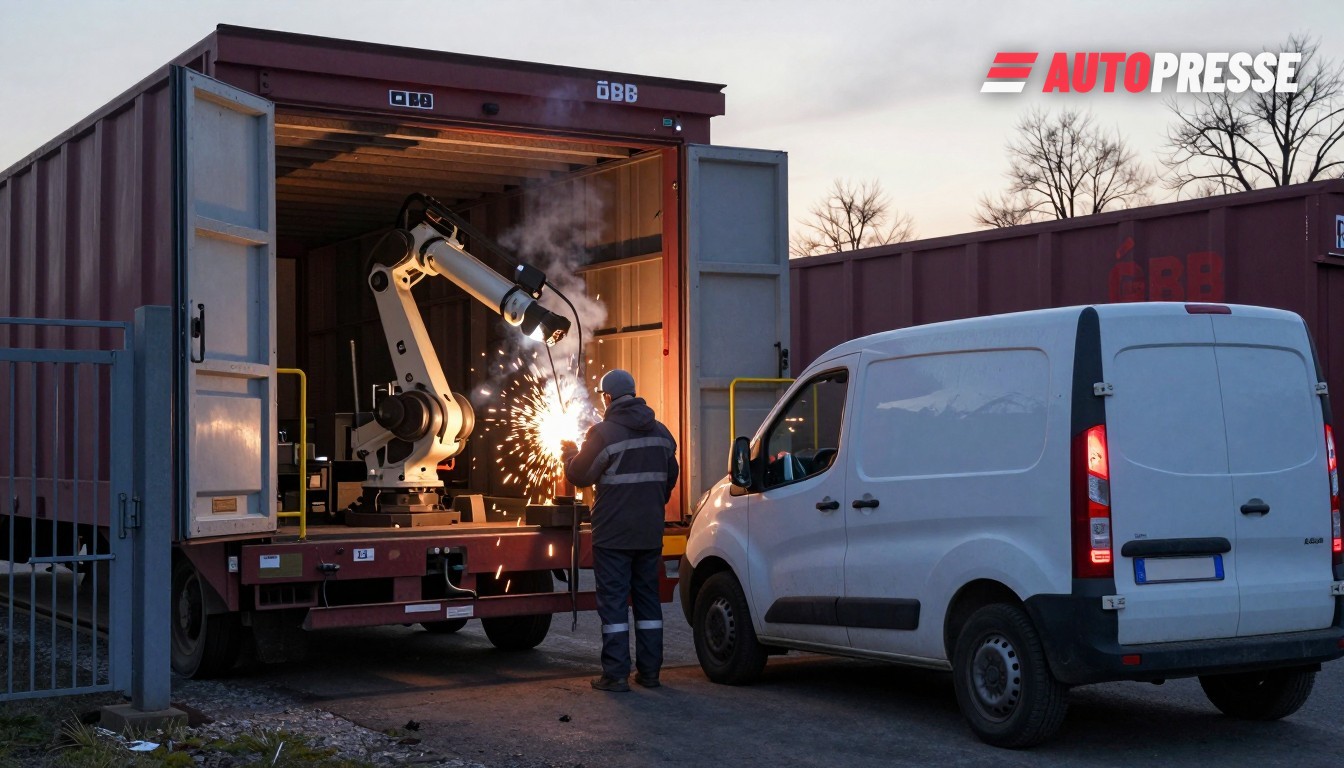
The parts sector that feeds Germany and Austria’s carmakers is no longer driven only by orders from OEMs: public grants, targeted state aid and banks’ changing lending stance are now directing investments in electrification, energy efficiency and new product lines. That matters for drivers, dealers and employees because which suppliers win funding will decide who keeps factories, who modernises and which parts remain local.
New public programmes steer supplier investment
Austria has launched a cluster of vehicle and industrial transformation calls this year. The Klima‑ und Energiefonds’ “Zero Emission Mobility plus 2026” competition opened in October 2026 to fund vehicle and infrastructure projects, while the Federal Climate & Energy Fund’s FTI Initiative for Industrial Transformation 2026 targets climate‑neutral manufacturing and expects to announce funding decisions in August 2027. Both programmes explicitly prioritise electrification, hydrogen and circular‑economy projects that suppliers can bid into.
For smaller firms the Reflecta/"Track!Change" support line offers direct grants to help suppliers shift away from traditional car‑parts work: the scheme allows applications from 28 September 2026 through 31 December 2029 and provides grants up to €200,000 for transformation projects such as new machinery, certifications or digitalisation. That gives mid‑sized Austrian and German suppliers concrete cash to retool or certify components for EV and industrial customers.
Money is available — but banks are cautious
Public funding sits against a tighter private‑credit background. KfW and other German credit monitors reported in October 2026 that banks remain restrictive and that higher interest rates and geopolitical uncertainty are likely to curb new lending. That squeeze means suppliers will often need a mix of grant funding and state‑backed instruments to carry out expensive plant upgrades or to move into electronics and energy systems.
On the EU level, Brussels has already cleared Austrian State aid lines: the European Commission approved a €100 million Austrian scheme to support clean‑tech in June 2026, creating another channel for suppliers to access public support for low‑carbon products and processes.
What this means for the market
Short term, suppliers that can combine grant money with private loans — or which qualify for state‑guaranteed instruments — will outpace rivals in retrofitting plants for batteries, power‑electronics and hydrogen parts. Programs like Zero Emission Mobility plus and the FTI initiative bend procurement toward projects that reduce Scope‑3 emissions and digitalise production; small and mid‑sized suppliers that miss the grant windows risk losing volumes to better‑funded competitors.
For Germany and Austria’s regions, the pattern is uneven: clusters with ready access to research partners and managed grant applications will keep higher‑value manufacturing, while isolated plants face longer financing processes and tougher bank tests. Expect more supplier M&A, selective reshoring into grant‑friendly locations and a sharper split between firms that become systems suppliers for EVs and those that remain commodity metal or assembly shops.
B2B vehicle listings for dealers on WorldTrader24 →
Sources: KfW, Klima‑ und Energiefonds (eMove Austria), European Commission, Reflecta (Fördermittelkompass)