Germany and Austria are entering winter with a market that looks balanced at first glance — steady used‑car activity, slower wholesale prices and shifting new‑car supply — but under the surface dealers, fleet managers and workshops are already adapting to three concrete forces: a plateau in retail used‑car prices, new grid and charging rules in Germany, and a faster‑growing share of international manufacturers in new registrations. These changes matter to private buyers (finance and choice), dealer margins (stock turns and wholesale pricing) and technicians (workload and training).
Used cars: prices high, turnover mixed
The German used‑car market remains a pillar for dealers: the KBA recorded 540,596 ownership transfers in October 2026 and the DAT’s monthly market update finds only limited upward momentum in volumes. At the same time the DAT Report 2026 shows average used‑car purchase prices at €18,310 (for purchases in 2025), a level that has stayed on a high plateau since 2022 — forcing nearly half of buyers to take finance. Wholesale indices point the other way: AUTO1’s Price Index reported a further easing in European used‑car prices in the autumn of 2026, signalling pressure on margins for dealers who must both retail and wholesale vehicles from their forecourts.
Grid rules and charging: a commercial inflection
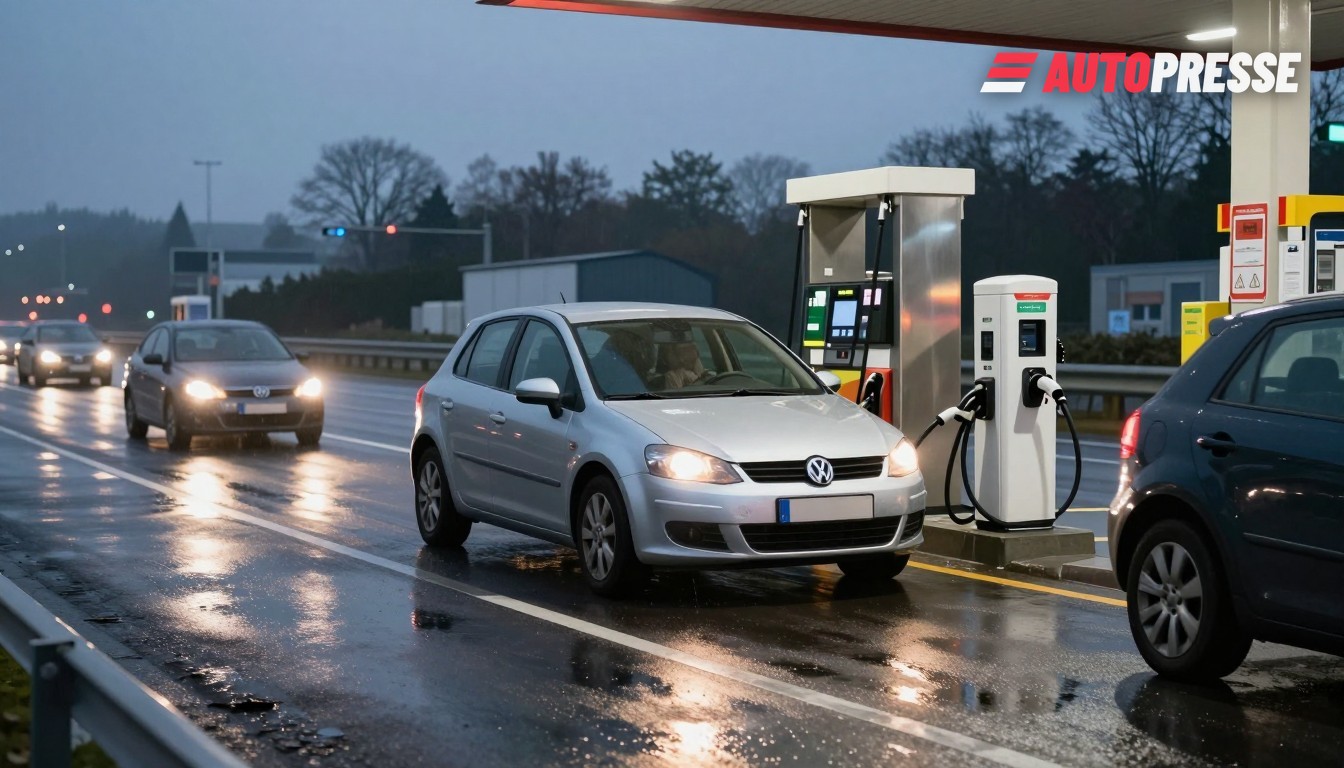
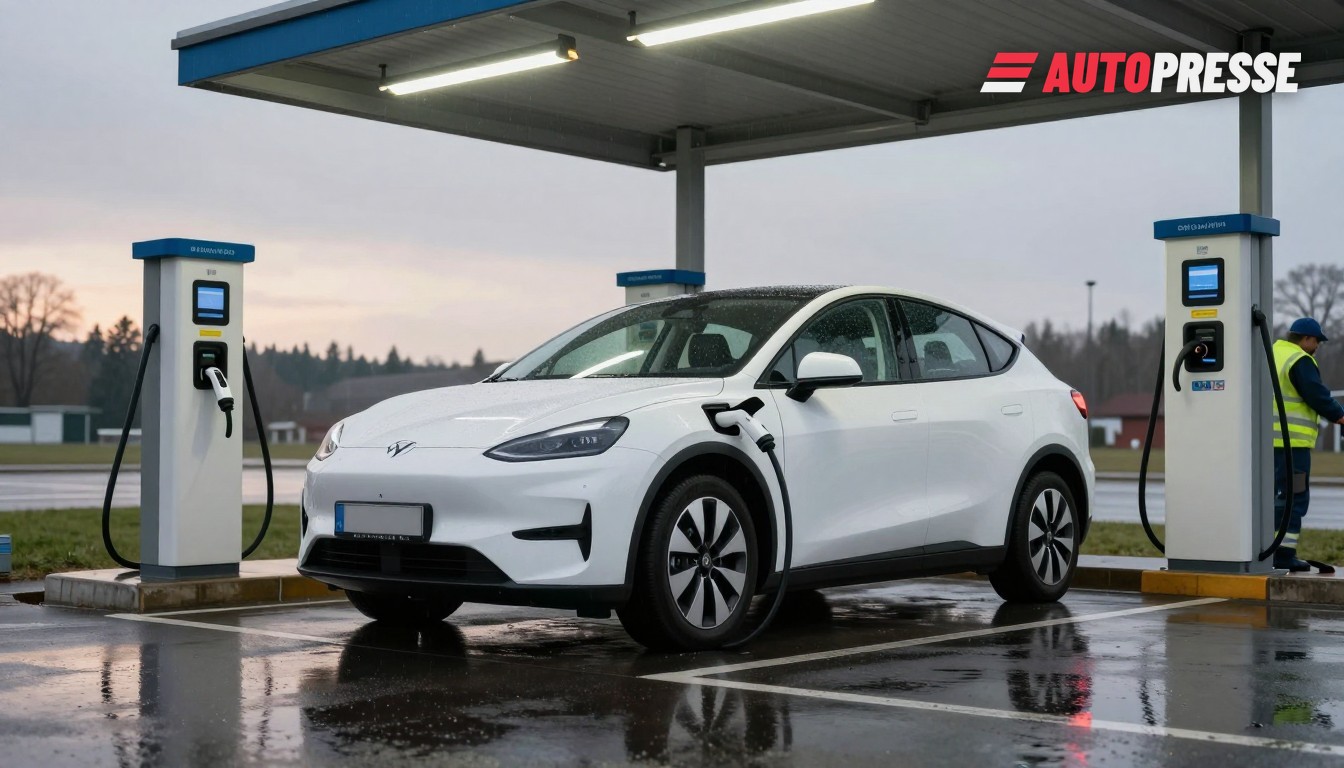
Regulation is now directly affecting how charging is rolled out and how vehicles interface with the grid. In October 2026 the Bundesnetzagentur published the final Festlegung on market integration of storage and charge points (MiSpeL), a set of rules that clarifies market participation and enables bidirectional use of batteries and local storage in combination with renewable generation. For operators, that raises both opportunity (new revenue streams for smart, managed charging) and cost (compliance, IT and integration for existing fast‑charging sites). Dealers with charging on site, fleet operators and workshop chains will increasingly need to budget for energy‑management upgrades and new metering/settlement processes.
In Austria the commercial consequences are similar even where federal rules differ: operators and municipalities are prioritising interoperability and public‑access reliability as they plan their next rounds of installations. The net effect across both markets is greater capital intensity for charging and clearer business cases for sites that can offer managed, higher‑power charging. (See What this means for the market.)
Imports and brand mix: more competition for incumbent dealers
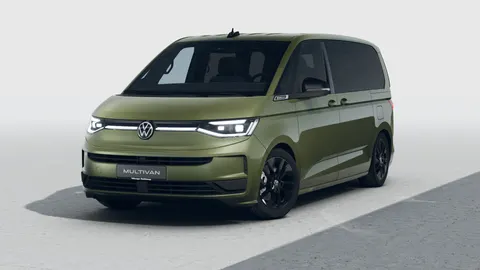
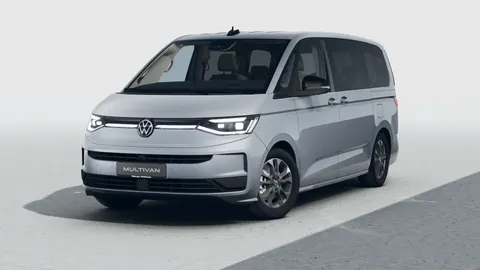
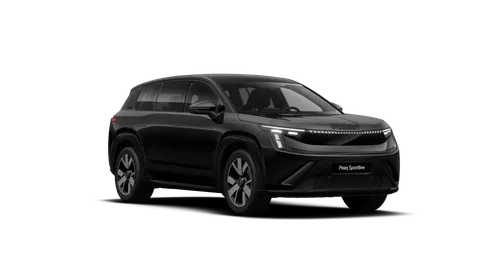
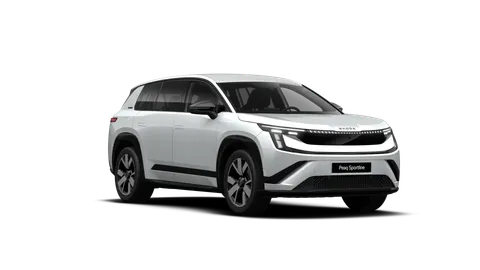
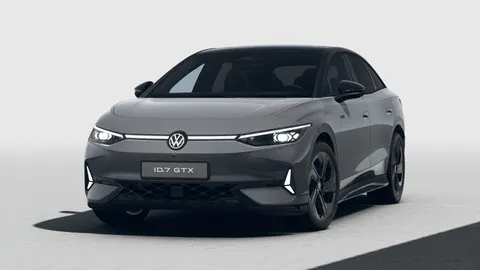
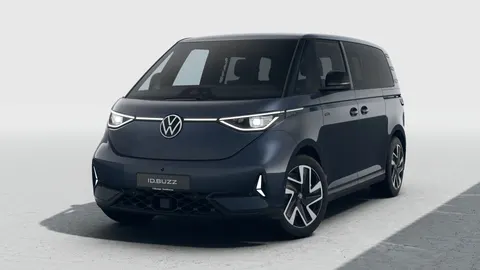
Analysis of KBA registration data by the Association of International Manufacturers (VDIK) shows that international brands now account for a much larger share of new registrations through the first three quarters of 2026 — roughly doubling their presence versus earlier years and accounting for around 45% of new‑car registrations in that period. That structural shift changes dealer competitive dynamics: more imported volume means different price points, alternative after‑sales ecosystems and stronger inventory turnover for some segments, while traditional dealers face higher stocking complexity and CRM demands.
What this means for the market
Short term: expect dealers to manage tighter margins on wholesale trades as AUTO1’s index softens and as high retail price levels temper private demand; a larger fraction of buyers will continue to rely on financing. Workshops should prepare for mixed fleets — more imported models and electrified used cars will require parts sourcing and diagnostics updates. Mid term: MiSpeL and similar measures make smart charging a commercial asset, not just infrastructure; dealers and forecourt operators who invest in integrated energy management can monetise charging while lowering operating costs. For Austria and Germany, the combined effect is a market that is not collapsing but re‑allocating value — from simple forecourt sales to integrated energy and data services, and from single‑brand loyalty to multi‑brand competition.
B2B used-car listings and dealer marketplace on WorldTrader24 →
Sources: DAT, AUTO1 Group, Bundesnetzagentur, VDIK