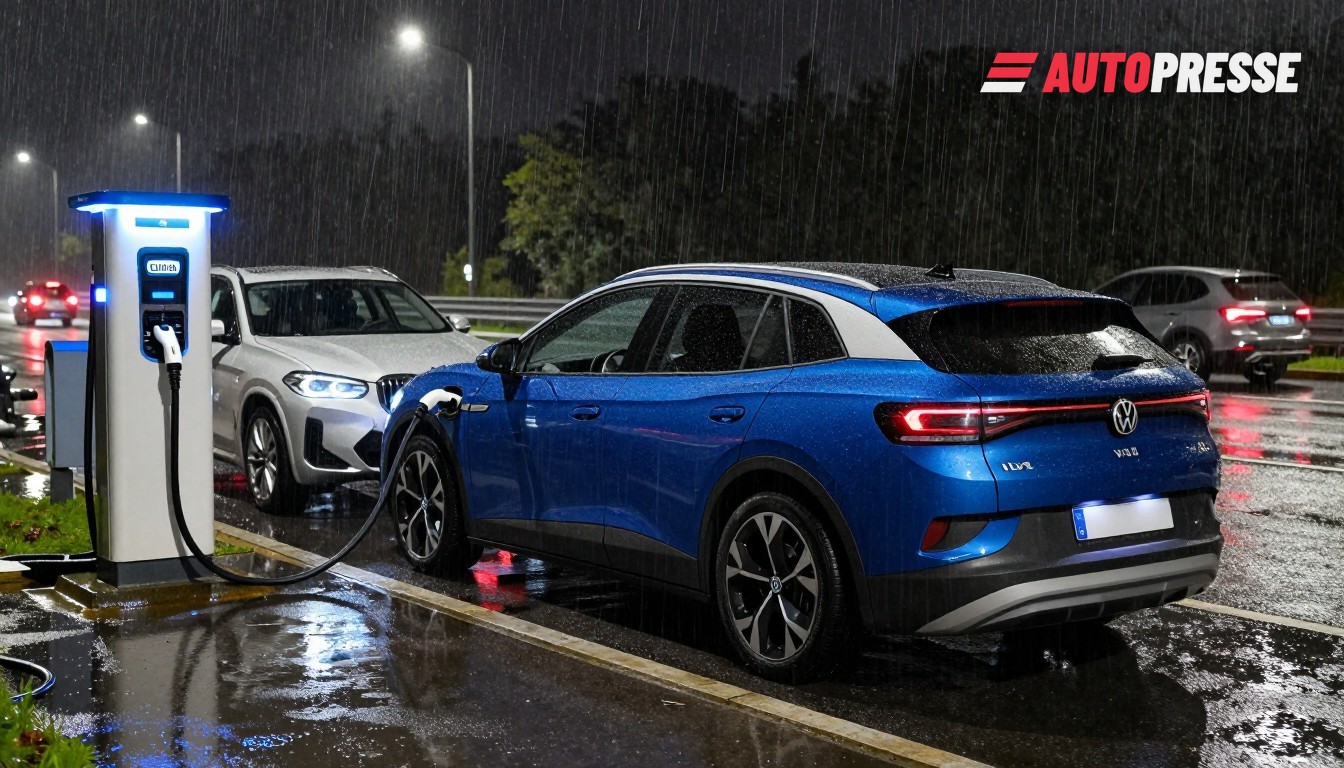
Germany’s shift from counting plugs to trading electricity is no longer theoretical. In late November 2026 two major OEM‑led offers moved bidirectional charging from pilots into pre‑commercial sales: Volkswagen Group’s Elli will launch a mass‑market Vehicle‑to‑Grid (V2G) package in Germany from December, and BMW Group and E.ON have expanded their customer V2G offer to cover three additional Neue Klasse models. Both packages bundle a dedicated home charger with an electricity tariff and a plug‑in bonus — a sign that OEMs and utilities now sell flexibility, not just cars.
What the offers actually deliver
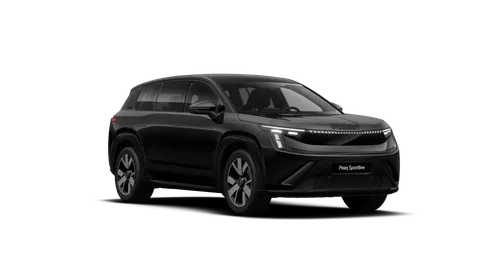
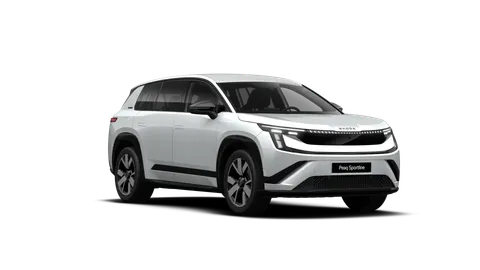
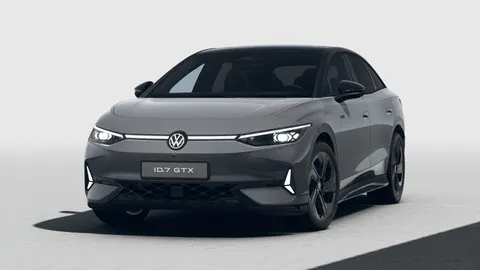
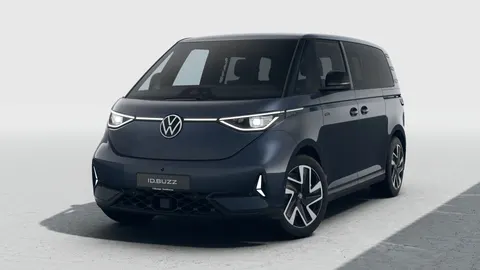
Volkswagen’s Elli will sell the Elli BiDi Charger — an 11 kW bidirectional DC wallbox compatible with 400‑ and 800‑volt architectures and ISO 15118‑20 — at a uniform price of €1,995 including VAT and shipping, with installation quoted separately; the package pairs the charger with two Volkswagen Naturstrom tariffs (“V2G Flow” and “V2G Return”) and a plug‑in bonus that pays €0.24 per hour the car is connected (capped at €60/month or €720 in the first contract year). Elli says feed‑in compensation of around €0.40/kWh is expected later. The product will initially launch in Germany with cross‑brand eligibility for VW, Škoda, CUPRA and VW Commercial Vehicles where software permissions allow.
Independently, BMW Group and E.ON confirmed on 18 November 2026 that their joint V2G package — combining the bidirectional BMW Wallbox Professional with E.ON’s “ÖkoStrom Home & Drive V2G” tariff — now covers the BMW i3, iX4 and iX5 in addition to the iX3. The bundle pays a plug‑in bonus (reported at €0.24 per connected hour, up to €720/year) and a feed‑in rate that BMW/E.ON list in recent materials at roughly €0.42/kWh; an algorithm coordinates charging and export while preserving a driver‑set minimum state of charge.
Behind both offers sit aggregation platforms and market partners: Volkswagen/Elli cites The Mobility House and its FlexEngine for market optimisation, while E.ON has been running multi‑partner trials (V4Grid) that use orchestration software to manage distributed vehicle‑battery flexibility. Those commercial stacks are the missing link that turns a home charger into a grid asset.
What this means for the market
For drivers: V2G is becoming a defined consumer product. Households with compatible models, a private parking space and a smart meter can expect entry‑level economics that offset electricity costs — but not a guaranteed profit; the plug‑in bonus focuses on connection time rather than guaranteed exported energy. Dealers and fleet managers will need to add pre‑checks for smart meters, installation lead times and software enablement to the sales process.
For installers and workshops: increased demand for bidirectional wallboxes and certified installations will create a near‑term spike in work. OEMs’ packaged pricing (charger + tariff) simplifies the customer path but shifts responsibility for compatibility checks and commissioning to dealers and authorised installers.
For grids and regulators: these commercial offers arrive on the back of regulatory reforms and grid‑access work in Germany that have clarified how V2G and storage are treated in law and metering regimes; projects and analyses show bidirectional charging moves from pilots to bankable flexibility when tariffs, metering and aggregation are in place. Scaling will still depend on smart‑meter rollouts, DSOs’ rules and how quickly OEMs enable V2G functions across the vehicle fleet.
OEMs and utilities no longer compete only on kilowatts and plugs; they now sell time‑flexible energy services. For Germany — and for neighbouring Austria where charging technology providers and utilities are watching closely — the coming months will show whether consumer uptake follows the product launches or remains constrained by installation friction and metering rules.
Vw elektro models available now on WorldTrader24 →
Sources: Volkswagen Group, BMW Group, E.ON, The Mobility House, EVSEGroup