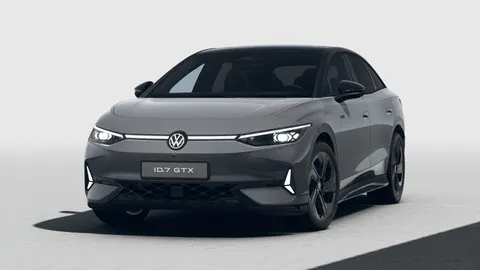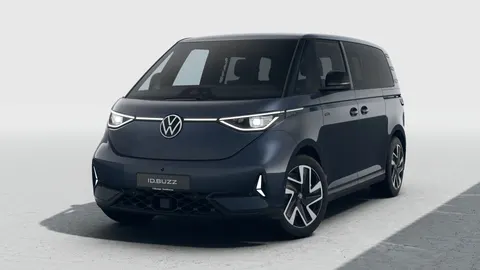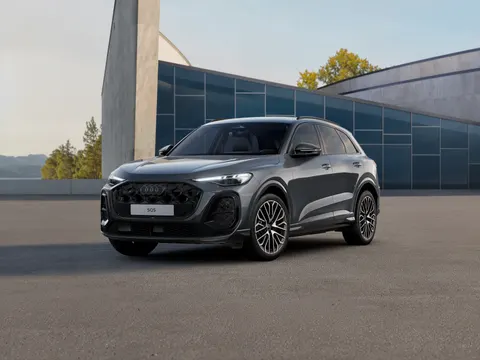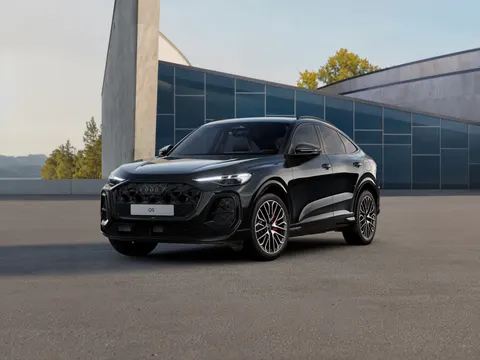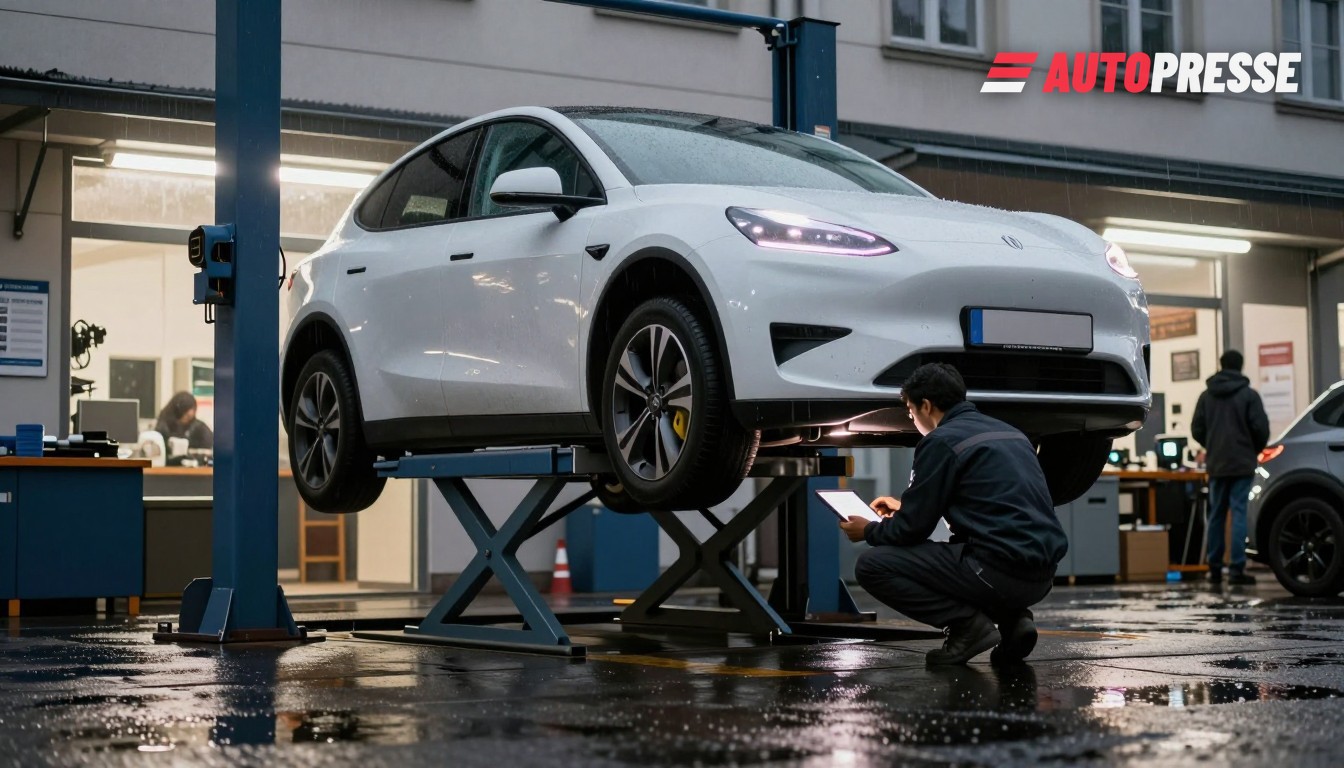
The cost of keeping cars on the road in Germany and Austria is rising fast — and not only because of fuel and energy. The German insurers’ association (GDV) says replacement‑part prices have climbed by more than 80% since 2016 and rose by over 4% between August 2025 and August 2026, a direct driver of higher repair bills and insurance payouts. This squeeze hits everyday drivers, fleet managers and dealers who handle warranty and repair flows.
How expensive repairs and premiums are shifting
The GDV’s 2026 trend analysis shows that repairs for battery‑electric vehicles (BEVs) remain pricier than for comparable combustion cars: after a collision BEV repairs are currently roughly 10% more expensive on average, and the GDV expects a small persistent “sockel” of higher costs even as volumes rise and processes standardise. The association’s longer study also warns that rising parts prices and complex electronics will blunt some of the safety gains from advanced driver assistance systems when it comes to insurers’ balance sheets.
In Austria, independent price monitors have already measured the effect at the workshop level. A price survey by the Arbeiterkammer Wien (AK Wien) published 22 April 2026 found that the average hourly repair rate in Vienna was about €196 for petrol/diesel cars and about €224 for electric cars (sample of 32 workshops), while the routine vehicle inspection ("Pickerl") averaged roughly €94. The AK warned these rates had risen versus 2025 and flagged wide intra‑city spreads that hurt consumers.
Policy and market responses
Insurers are already reflecting these trends in pricing mechanics. The GDV updated its model Typklassen (risk classes) on 30 September 2026; its annual recalculation showed that the new 2027 typklassen affect more than 12 million vehicles in Germany (about 7.4 million upward re‑ratings, 5.1 million downward). That statistical reshuffle will directly alter premiums for many drivers from 2027 onward.
At the same time, consumer clubs and technical organisations in both countries are urging manufacturers and policymakers to make batteries and visible body parts more repairable (modular battery modules, clearer repair instructions, wider parts access) to lower costs for workshops and insurers. Austria’s ÖAMTC points out in its TCO work that electric cars often win on running costs but that battery‑related repair uncertainty and spare‑parts pricing remain decisive purchase factors for many buyers.
What this means for the market
Concretely: drivers should expect insurers to use the GDV’s 2027 typklassen and recent parts‑inflation data when renewing policies; fleets and dealers must factor higher workshop rates and part delays into leasing and remarketing plans; and independent workshops will continue to charge higher hourly rates while pushing for training and certified EV tooling. Policy changes that expand parts competition (e.g. reforms of design‑protection rules mentioned by GDV) would be one lever to ease pressure, but any relief is likely slow and depends on EU and national implementation.
For buyers and fleet managers in Germany and Austria the near‑term takeaway is practical: check the new GDV typklassen for your model (published 30 September 2026), review comprehensive and battery coverage when you insure a BEV, and compare workshop and inspection prices locally — AK Wien’s April 22, 2026 price monitor shows how wide those spreads can be.
WorldTrader24 B2B-Fahrzeugmarkt für Händler →
Sources: GDV, GDV "Trendanalysen Kfz-Versicherung 2040" (2026), Arbeiterkammer Wien, ÖAMTC, ADAC.