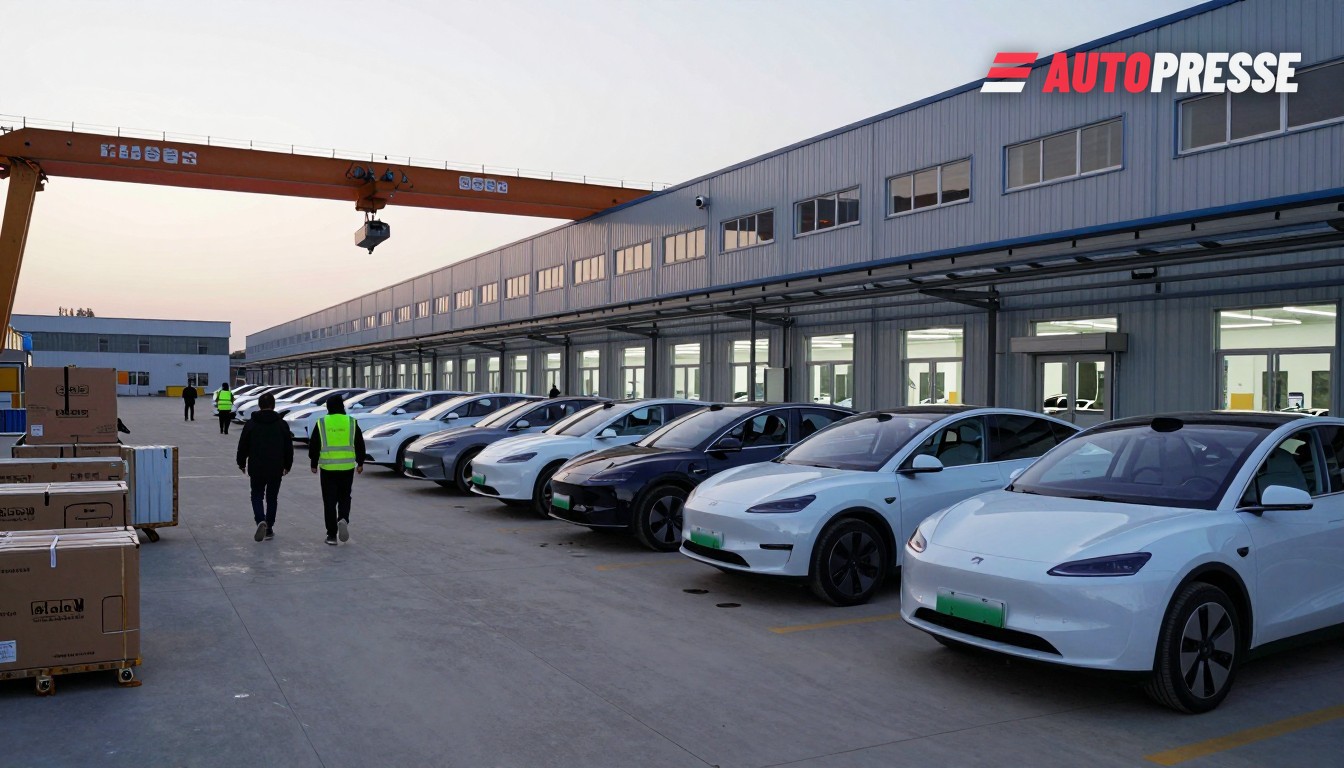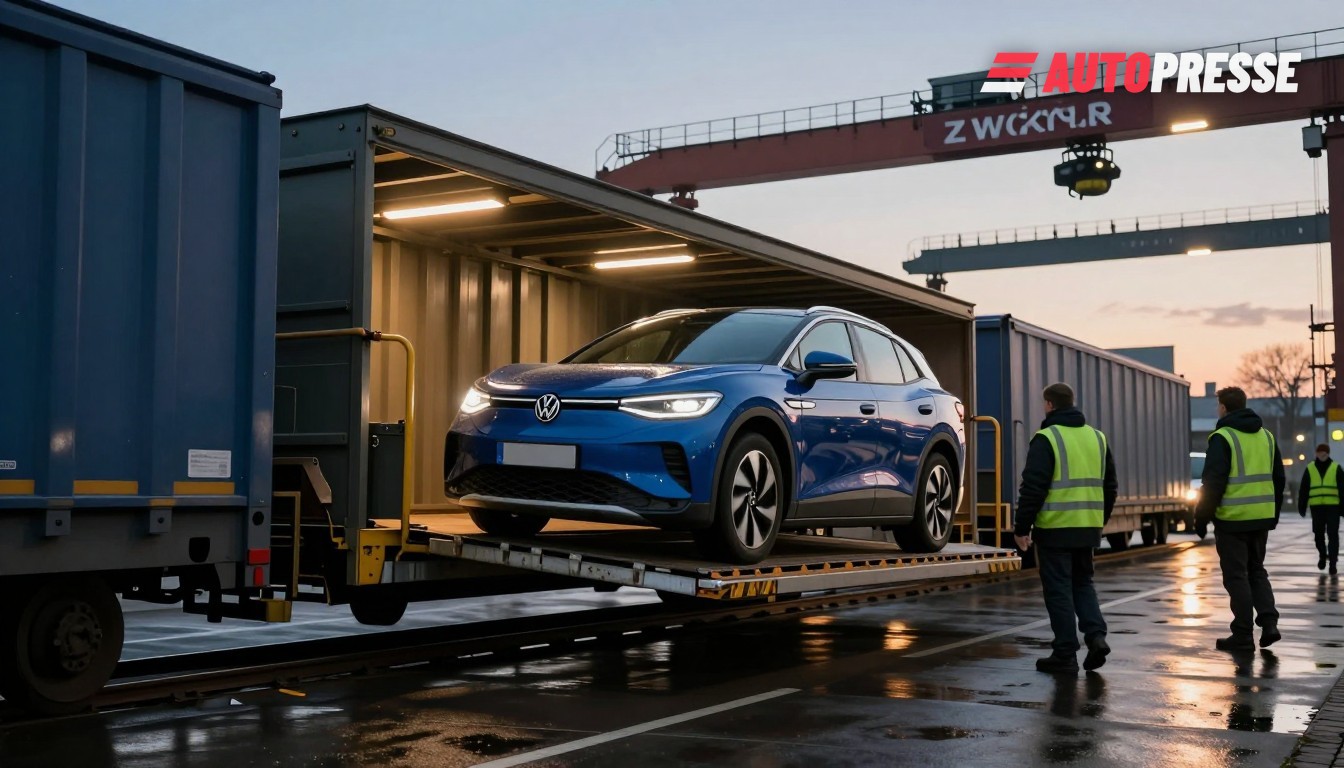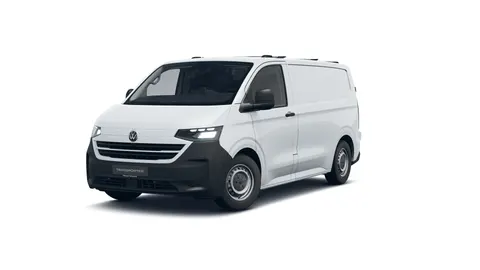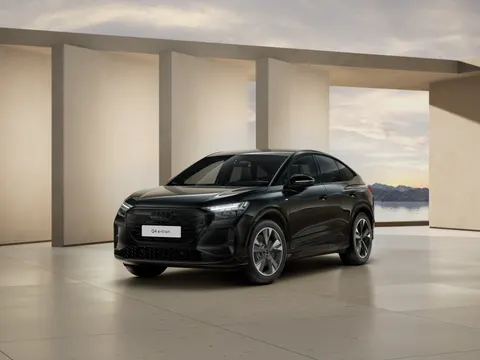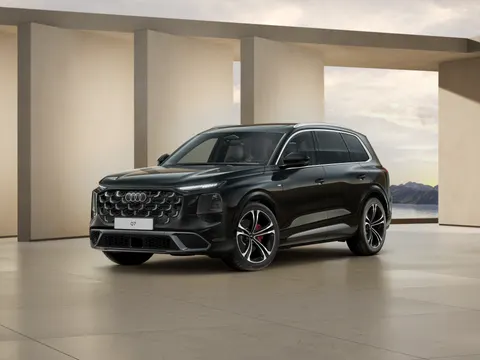
Germany and Austria are moving in tandem — more buyers choose electrified cars, but factories and suppliers are running to catch up. October figures show battery‑electric demand jumping in Germany even as production remains below 2019 levels; across the border Austria’s new‑car market is growing rapidly, while supplier restructurings underline persistent stress for engineering hubs and shop floors.
Germany: BEV demand jumps, production still lags
German data for October 2026 show a sharp rise in electric registrations alongside falling factory output. The VDA reports that in October overall passenger‑car production in Germany was 326,300 units, down 7% year‑on‑year, and that production after ten months (3.370.700 units) remains about 15% below the 2019 pre‑crisis level. At the same time registrations for electric powertrains surged: total electric (BEV, PHEV & FCEV) registrations rose 47% in October and battery‑electric vehicles (BEV) climbed 79% to 94,086 units in that month. These shifts underline a rapid change in buyer demand even as factories work through legacy models, exports and capacity issues.
Austria: registrations up 10.7% — electrics lead
Statistics Austria reports that from January to October 2026 Austrian new passenger‑car registrations rose 10.7% (265,282 vehicles) versus the same period in 2025, with 67.6% of those new cars having an alternative drive system. All‑electric registrations were especially strong: 71,606 BEVs to date (a 39.5% rise year‑on‑year), and October alone saw 8,434 BEVs (+63.3%). Director General Manuela Lenk noted that two‑thirds of newly registered cars this year featured alternative drives and that October’s figures mark the growing predominance of electrics in Austria’s market mix.
That buyer pivot is visible in market shares: Volkswagen, Škoda, BMW and Audi were among the top makes for January–October, and BYD recorded rapid growth in Austria over the same period — evidence that both traditional and newer brands are competing for the accelerating electric segment.
At the same time, German official statistics point to a tentative recovery in industrial output (motor‑vehicle manufacturing rose in recent months), but the gains are uneven and sensitive to supply and logistics shocks. Destatis flagged a month‑on‑month rise in overall industrial production in September driven in part by the automotive sector, underscoring a volatile but not entirely negative near‑term picture.
Suppliers and engineering houses remain under pressure: AVL List in Graz announced a further reduction of around 180 jobs in late August 2026 as part of a broader restructuring that follows earlier cuts, a move the company linked to weaker demand and postponed investment decisions among European customers. The AVL changes — the latest wave after prior reductions — highlight how supplier towns in Austria are absorbing much of the industry’s adjustment pain even as retail registrations rise.
What this means for the market
For drivers and buyers in Germany and Austria the headline is clear: electrified cars are now mainstream and available models and brands are competing hard for market share. For dealers and fleets this means faster stock turnover for BEVs and growing need for charging and service capability aligned to high‑voltage systems. For employees and suppliers the picture is mixed — rising retail demand does not immediately translate into factory jobs where investments, model cycles and export flows still constrain output. Policymakers note that low river levels, supply interruptions and postponed investments are factors slowing a smoother rebound in production.
The coming months will test whether manufacturers accelerate retooling and suppliers stabilise capacity to match the electrified demand trend visible in both countries.
Electric car listings on WorldTrader24 →
Sources: VDA, Statistics Austria, Eurofound (ERM), Destatis, BMWE