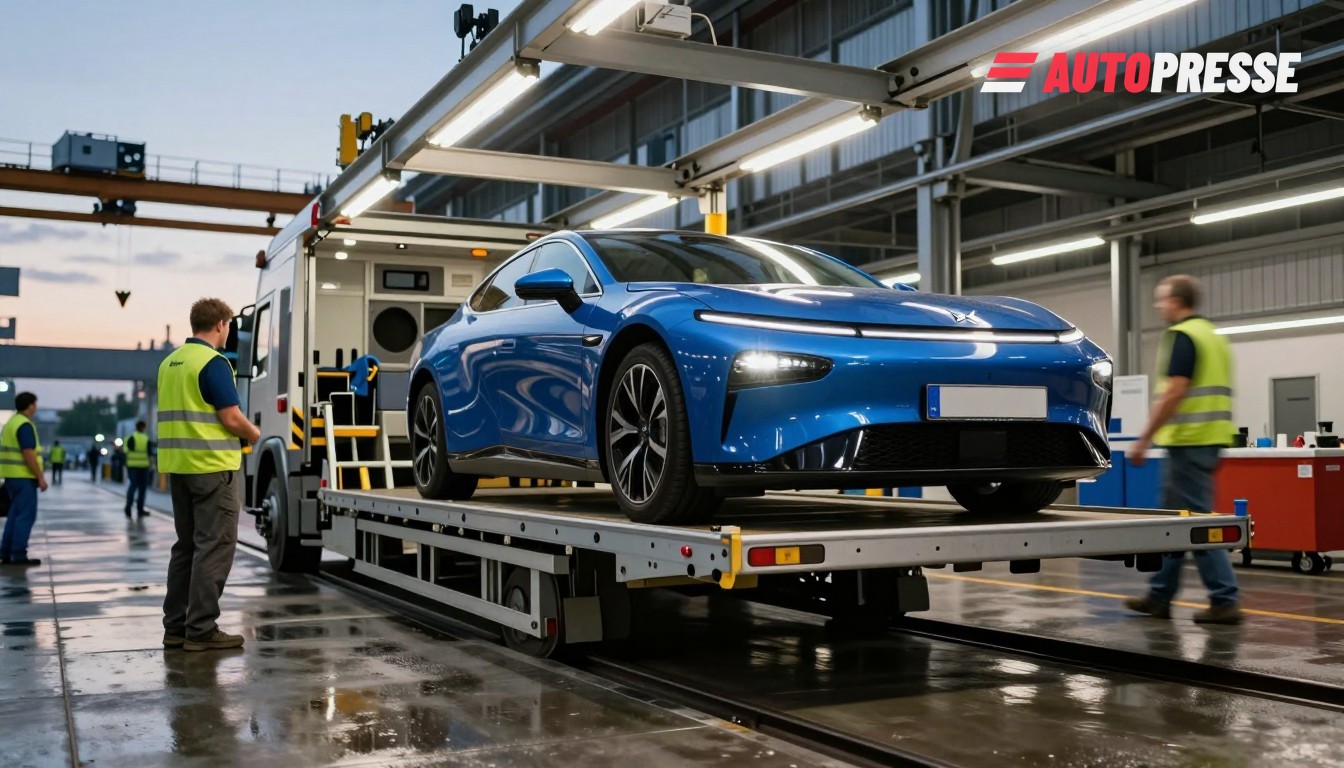
The electric‑vehicle transition in Germany and Austria is entering a new technical phase: semiconductor and software‑centric vehicle architectures are arriving at the same time as low‑carbon materials and advanced simulation tools, forcing factories, suppliers and fleets to retool. That shift affects drivers, dealers, and thousands of auto sector employees across both countries — from chip availability for software‑defined vehicles in Bavaria to green‑steel sourcing in Upper Austria.
Germany: RISC‑V chips, SDV momentum and V2G policy
Infineon this month unveiled AURIX™ RC1, its next‑generation automotive microcontroller family based on RISC‑V, positioning Germany’s largest automotive semiconductor supplier for centralised, software‑defined vehicle (SDV) compute and safety workloads. Infineon’s product pages and press material date the public launch to early November 2026 and describe the RC1 as a scalable, RISC‑V‑based real‑time platform for SDV, SDX and Physical AI use cases.
At the same time policymakers are taking concrete steps to make bidirectional charging (V2G/V2H) viable: Germany’s climate and transport programmes in 2026 explicitly highlight the role of bidirectional capable EVs to reduce total system costs and shift charging into hours of high renewable output, and federal dossiers recommend experimental regulatory clauses and incentives to support market take‑up through 2030. Those papers (including the March 25, 2026 Klimaschutzprogramm and ministry dossiers) frame V2G as a near‑term grid flexibility tool.
Austria: green steel and advanced simulation reshape supply chains
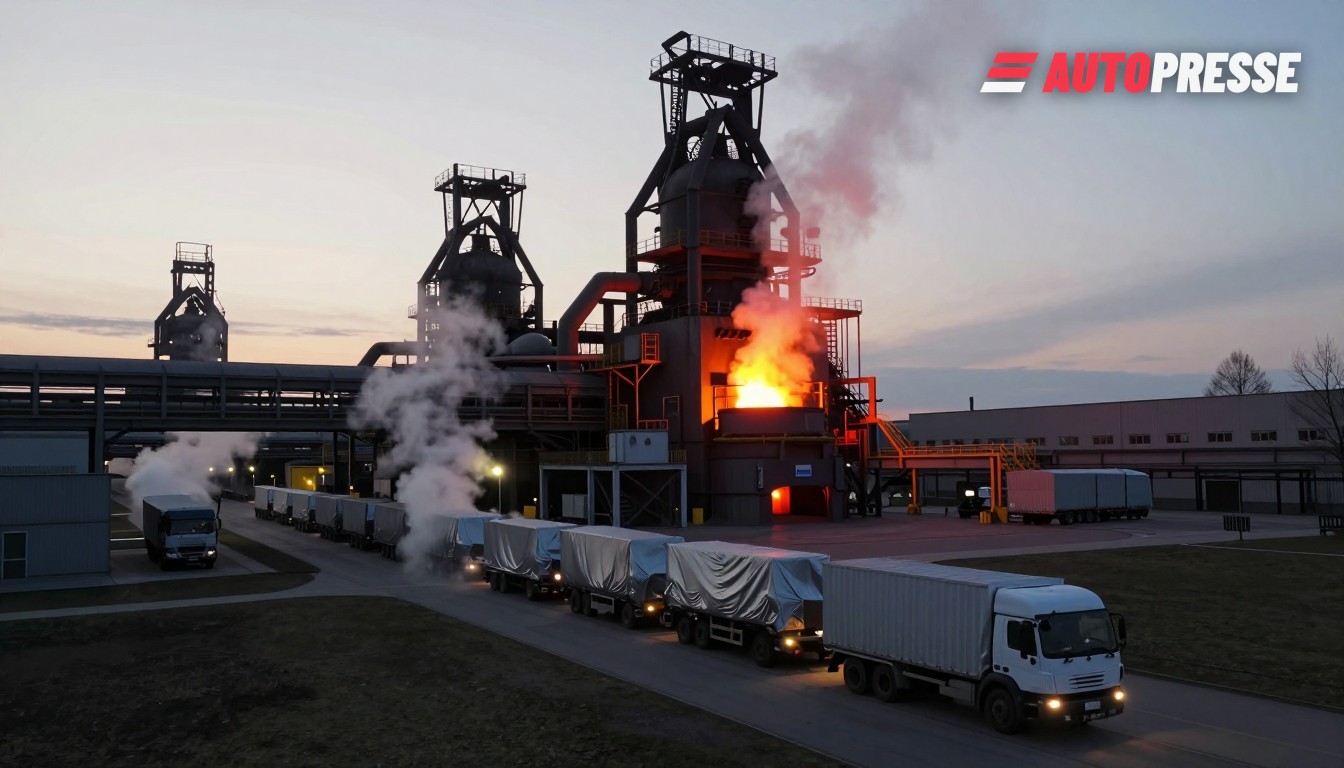
In Austria the materials side is moving fast. voestalpine’s greentec steel programme is expanding production of low‑emissions steel at Linz and Donawitz, with further build‑out into 2027 to supply automotive press shops and components — a development that will change supplier sourcing, emissions accounting and factory costs for OEMs and tiers that buy Austrian steel.
Meanwhile AVL’s PreonLab 7.2 release (October 15, 2026) tightens simulation turnarounds for aerothermal and battery cooling studies, letting designers reduce prototypes and shorten validation cycles — a practical multiplier for small European contract manufacturers and retooled plants in Austria and Germany. AVL’s event pages and product notes list the 7.2 update and distribution changes in late 2026.
What this means for the market
Together these moves compress the time between concept and production. Infineon’s RC1 gives German carmakers and suppliers an on‑ramp to RISC‑V based vehicle computers that can host multiple, safety‑relevant functions; Germany’s policy nudges on V2G create demand signals for bidirectional hardware and smart tariffs; voestalpine’s greentec expansion raises the bar for low‑carbon body‑in‑white procurement; and AVL’s faster simulation tools let smaller suppliers validate new thermal and battery designs without massive capital. For buyers and fleets this implies quicker software updates, more features tied to energy markets (bidirectional charging) and a longer, greener supply‑chain story to justify premium prices.
Short term, expect procurement volatility as OEMs negotiate long‑term steel and semiconductor contracts; medium term, expect new business for European chip and test‑tool suppliers and a faster rollout of vehicle features that depend on centralised compute and grid‑aware charging. For workers the transition will mean new software and materials skills across German and Austrian plants.
Electric car listings on WorldTrader24 →
Sources: Infineon, Federal Ministry for Economic Affairs (BMWE), Federal Environment Ministry (BMU) Klimaschutzprogramm, voestalpine, AVL