Many people in Germany and Austria typing “auto teuer” into Google are asking a simple question: why is a car — both buying one and running it — more expensive than it used to be? The short answer lies in three recent developments that hit buyers and drivers at once: higher fuel bills, new EU rules that raise compliance demands on new models, and a still‑tight used‑car market that keeps second‑hand prices high for many segments. These factors are already tangible for drivers, dealers and fleet managers across Germany and Austria.
Fuel and running costs: the immediate pinch
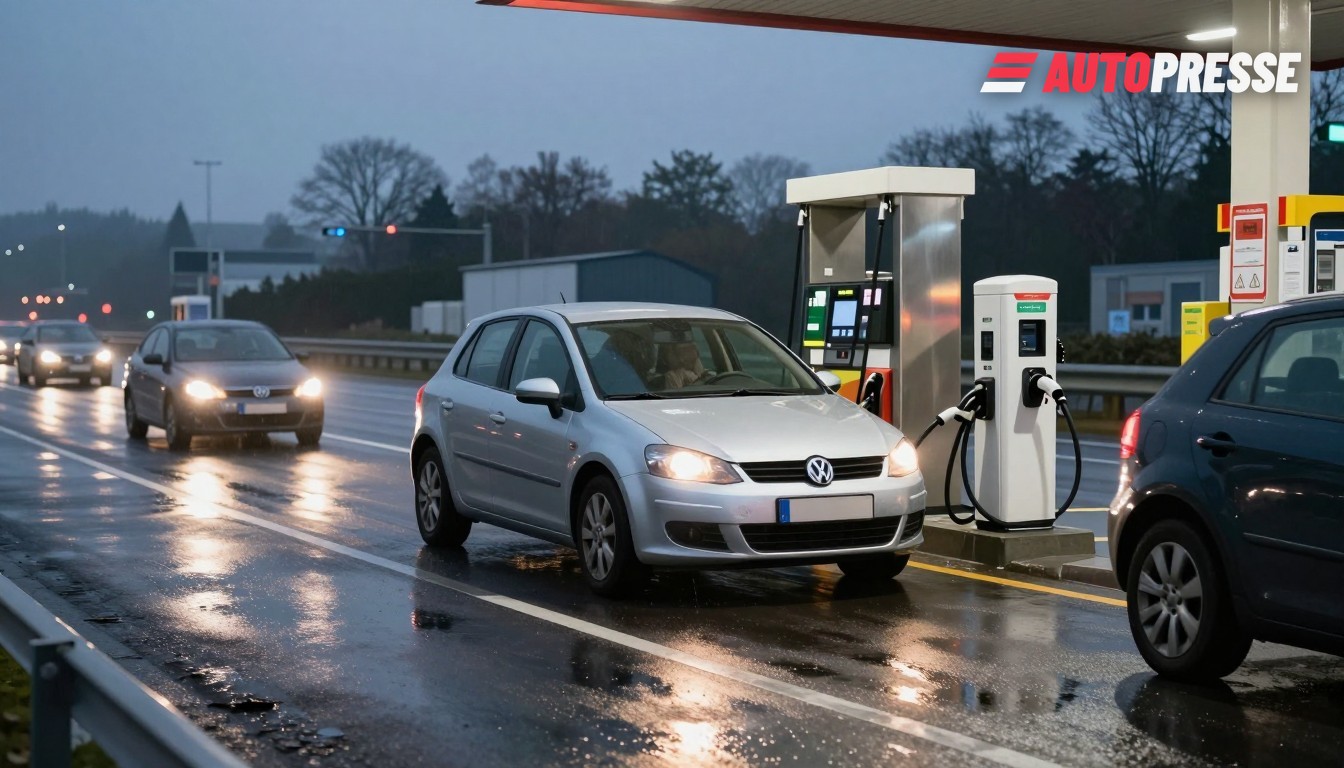
Fuel remains one of the clearest drivers of the feeling that an "auto is expensive". Although pump prices eased a little in October, diesel and petrol were still far above last year: Autokostencheck reported that fuel costs in October 2026 were nearly 29% higher than a year before, leaving monthly tank bills significantly elevated for commuters and tradespeople. That macro pressure — driven by tight diesel markets and geopolitical supply worries — keeps the direct cost of using a car high in both countries.
Regulation and new‑car costs: Euro 7 arrives
Another reason people search “car expensive” is the arrival of Euro 7 requirements for new vehicle types on 29 November 2026 and the tighter rules that follow for all new registrations. The regulation adds new testing and durability standards — notably minimum battery energy retention (80% for five years or 100,000 km, 72% for eight years or 160,000 km for passenger cars) and first limits for brake‑generated particulate matter — which will change development, testing and certification costs for manufacturers and, eventually, prices or equipment choices for buyers. Motor News notes these rules take effect for new types from 29 Nov 2026 and for all new vehicles later, and stresses that some compliance measures (eg. digital environmental and battery passes) are already being built into cars.
Manufacturers and importers have a year to manage type‑approval transitions, but dealers and early buyers in late 2026–27 should expect model availability, optioning and pricing to be influenced by the switch‑over timetable.
Used cars: shortage and segmentation keep prices high
People searching “car expensive” are also reacting to the used market. Listing aggregators and market indices show median asking prices remain stubborn: a snapshot of European listings in late November put the median listed used car in market data at about €16,400, while specialist indices report that used EV asking prices have risen and that the average asking price in some segments is still elevated. That combination — relatively high offers for young used EVs and reduced availability in popular budget segments — means many buyers find used options less of a bargain than before.
What this means for the market
For buyers: run the numbers. High pump prices mean energy costs increasingly shape TCO comparisons between ICE, hybrid and BEV models — and Euro 7 makes battery durability and warranty details more important at the point of purchase. For dealers and fleets: expect tighter margins and more demand for clear used‑car condition data (digital environmental/battery passes will help). For manufacturers: certification and homologation costs may change launch pacing and trim strategies across Germany and Austria.
Used and wholesale vehicles on WorldTrader24 for dealers →
Sources: derStandard, Motor News, Autokostencheck, Carnado, AutoScout24 (reported)