Germany and Austria are closing 2026 with policy moves that will change fleet economics and charging deployment — and that matter to drivers, company‑car users, dealers and workshop staff across both countries. From a higher tax ceiling that alters which cars count as ‘luxury’ for company taxation, to EU rules that force new chargers to be ISO‑standard ready by 2027, manufacturers and fleet managers must update procurement, pricing and installation schedules now.
Tax and fiscal nudges: a higher cap, new incentives
Berlin’s fiscal reforms have raised the gross list‑price threshold used in company‑car taxation from €70,000 to €100,000 — a change the Federal Ministry embeds in its 2026 economic reports and related tax measures intended to favour electrified company cars. That shift alters which vehicles are subject to higher tax brackets when used as benefit‑in‑kind and may change buying decisions by corporate fleets.
At the same time, fuel‑carbon pricing and related BEHG changes continue to be rolled into 2027 tax and pricing frameworks that affect running costs for petrol and diesel cars (and influence total cost‑of‑ownership calculations for hybrids and BEVs). Companies and drivers should factor the coming BEHG adjustments into budgeting for 2027.
Standards and charging: EN ISO 15118‑20 and AFIR’s reach
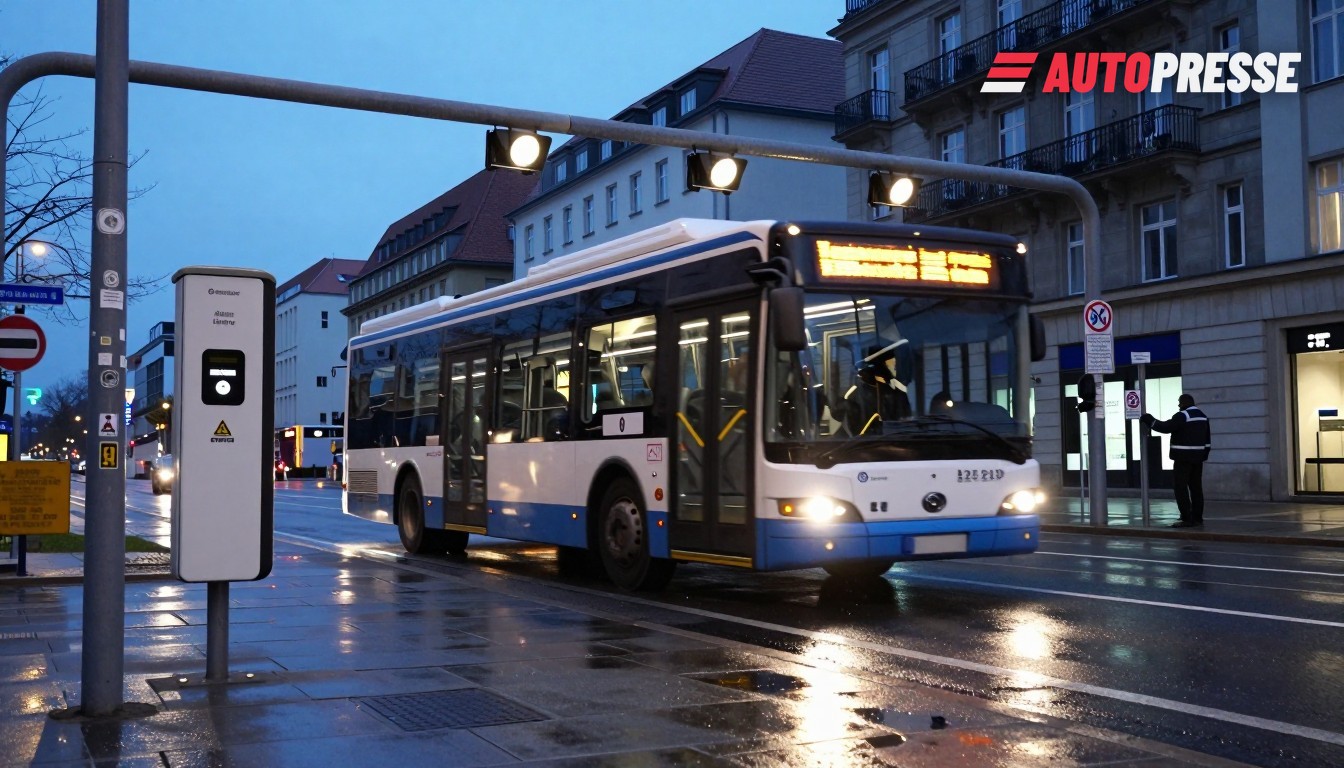
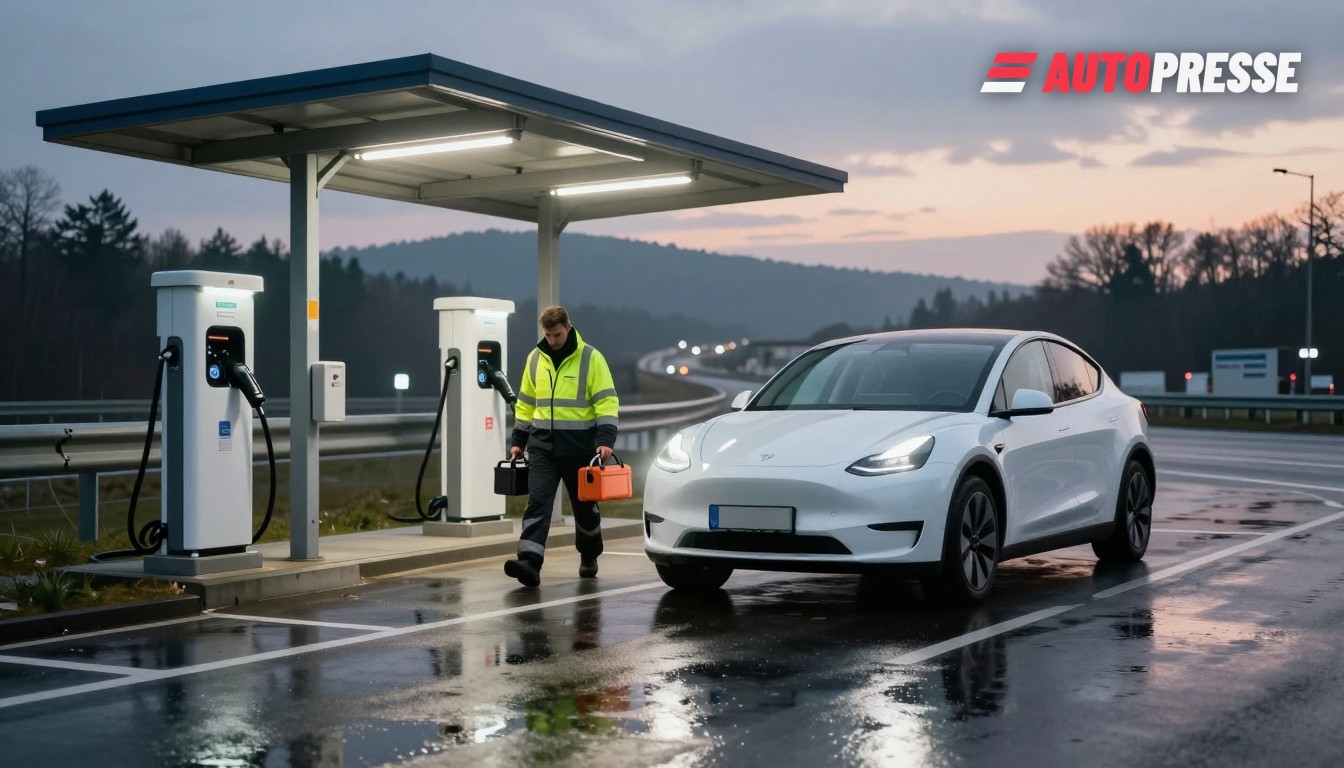
The EU’s delegated rules make EN ISO 15118‑20 the required communications standard for new recharging points deployed from 1 January 2027, demanding automatic authentication and interoperable plug‑and‑charge behaviour. Member‑state monitoring obligations under AFIR heighten the need for compliant hardware and back‑end software at the point of installation — a direct operational issue for charge‑point operators, installers and OEMs supplying charging services in Germany and Austria.
These technical requirements intersect with national programmes: Austria’s Klima‑ und Energiefonds launched the “Zero Emission Mobility plus 2026” programme to co‑fund demonstrations and solutions — notably projects that tackle charging in existing residential buildings and integrated local mobility. The scheme gives Austrian suppliers, municipalities and housing associations a practical route to pilot ISO‑capable or smart charging projects in 2026–27.
However, Austria’s central wallbox subsidy pot is largely exhausted for now, and applicants face long wait times or regional schemes instead of a single national cheque — a timing constraint that will push many installations into 2027 procurement cycles when the AFIR/ISO rules take effect. Companies planning mass installations should budget for both equipment that meets EN ISO 15118‑20 and for slower local grant timetables.
What this means for the market
For fleets and dealers: the higher €100,000 list‑price threshold in Germany changes which models are financially attractive as company cars and can tilt ordering toward higher‑spec BEVs that stay inside the new limit. Finance teams must re‑run total‑cost models that now include upcoming BEHG adjustments to fuel and carbon pricing.
For chargers and installers: EN ISO 15118‑20 compliance is non‑negotiable for new public and many private installations after 1 January 2027. installers, software providers and CPOs should order compatible hardware now and plan for back‑office updates. Austria’s targeted 2026 grants create pilots and early revenue opportunities for companies that can pair installations with residential housing projects today.
For workshops and aftersales: tighter standards and smarter charging increase the electronics and software content technicians must master — from plug‑and‑charge diagnostics to billing‑system integration. HR and training budgets should reflect that shift.
B2B vehicle listings on WorldTrader24 →
Sources: Federal Ministry for Economic Affairs and Climate Action (Annual Economic Report 2026), European Parliament/Commission AFIR documents, Klima‑ und Energiefonds (Austria), E‑Loading Systems (wallbox update), ADAC