Germany and Austria closed November with concrete policy moves that affect drivers, fleets, dealers and municipal planners. In Berlin the Bundestag on 5 November 2026 removed the blanket expiry for special legal treatment of electrically powered vehicles and broadened the package to include buses and commercial vehicles — a change that hands towns and cities longer-term tools to favour zero‑emission traffic. In Vienna the federal government chose to limit increases for the Klimaticket Österreich and the annual motorway vignette to 2% for 2027, below the planned 3.6% CPI uplift, a decision framed as relief for commuters and households.
What Germany changed — and how
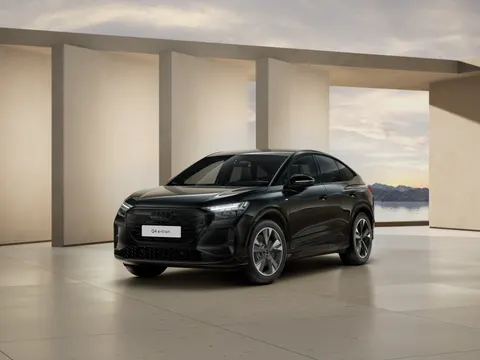
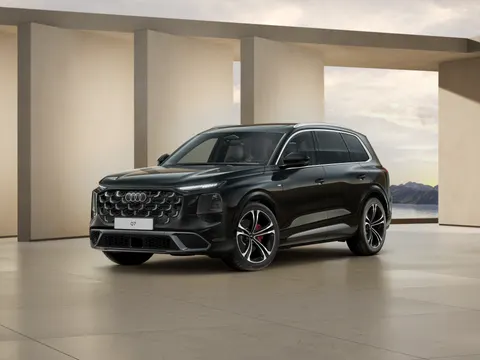
The Bundestag adopted the government’s amendment “zur Änderung der Bevorrechtigung der Verwendung elektrisch betriebener Fahrzeuge” on 5 November 2026, removing the pauschale Befristung that had set an end date of 31 December 2026. Lawmakers said the aim is to give municipalities legal certainty, simplify implementation and allow preferential measures (for example access rules, parking or dedicated lanes) to be applied more widely and over the long term; the reform explicitly extends the scope to buses and certain commercial vehicles. The final committee recommendation was carried with CDU/CSU and SPD in favour, AfD opposed and Bündnis 90/Die Grünen and Die Linke abstaining.
Practically, the law removes the automatic deadline that had forced local authorities to revisit access restrictions and EV‑priority rules at the end of 2026; it also creates clearer legal foundations for municipal measures that use camera‑based controls or reserved parking to steer traffic. The Bundestag dossier stresses simplification, longer planning horizons and explicit legal cover for expanding privileges to heavier vehicle classes used in public transport and light commercial fleets.
Austria’s counterweight: price control and road rules
In Vienna the government presented a mobility cost package on 25 October 2026 that caps the 2027 increase for the Klimaticket and the annual vignette at 2% (vignette: from €106.80 to €108.90 if bought after 1 Jan 2027; early buyers keep the old price) — a fiscal choice the ministers say protects commuters against inflationary pressure. Finance Minister Markus Marterbauer and Mobility Minister Peter Hanke framed the move as a household relief and planning security for daily travellers.
These measures sit alongside Austria’s sweeping StVO reform and related packages that entered force in 2026: the National Council approved a comprehensive Road Traffic Regulations update on 25 March 2026 (with key measures effective from 1 May 2026 and further steps later in the year), clarifying rules for e‑scooters/e‑bikes, reclassifying e‑mopeds as motor vehicles and enabling camera‑based local access management — all intended to improve safety and give cities new traffic‑calming tools. The government also advanced measures to accelerate public ultra‑fast charging along the federal road network and proposed longer main inspection (“Pickerl”) intervals to cut costs for drivers.
What this means for the market
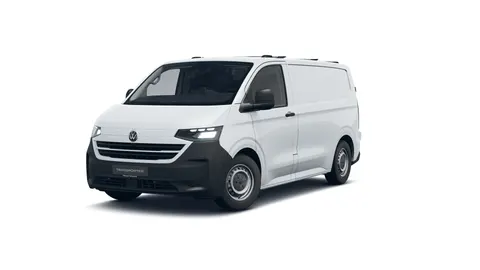
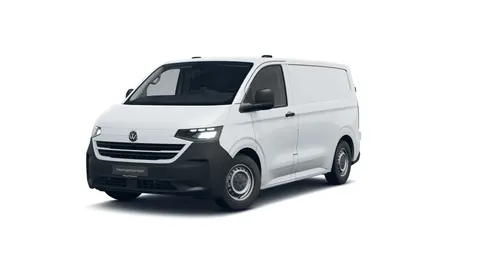
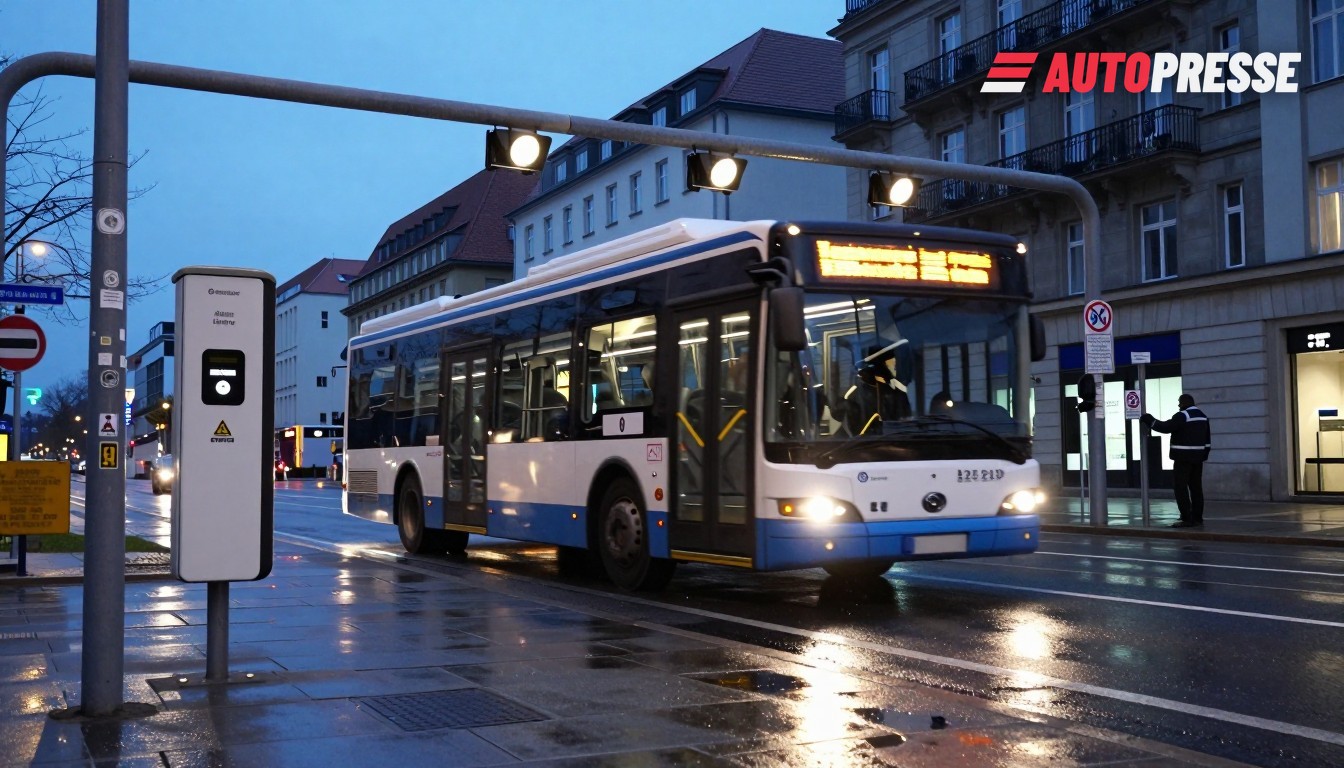
For drivers and retail customers the net effect is mixed but tangible: German cities now have firmer legal grounds to keep or expand EV privileges (priority parking, access zones, reserved lanes), which preserves a non‑fiscal incentive for BEV buyers and could sustain local demand patterns. Fleets and bus operators gain clearer routes to electrification because the law expressly broadens preferential rules to buses and certain commercial vehicles — an opening that municipalities can use when negotiating depot locations, curb space and charging infrastructure. The Bundestag decision (5 November 2026) therefore matters to procurement officers and dealers planning order books for 2027 and beyond.
In Austria the modest restraint on Klimaticket and vignette increases (2% for 2027) eases short‑term cost pressure for commuters and keeps political momentum behind public transport while the StVO and e‑charging acceleration give cities and operators new levers to reconfigure urban space and fleet charging. Municipalities and charge‑point operators should expect clearer rules — and slightly more predictable demand — where camera enforcement and denser corridor charging are deployed.
Taken together the measures show two neighbouring policy styles: Germany locking in legal incentives that let local authorities favour electric vehicles over the long term; Austria blending price relief for households with stronger regulatory tools for streets and charging. Both choices shift some of the market calculus for fleet renewals, depot and curbside charging investments, and dealer allocations as 2027 planning rounds close.
Sources: Deutscher Bundestag, Federal Ministry for Innovation, Mobility and Infrastructure (BMIMI)