Germany and Austria’s supplier belt has entered a volatile, make‑or‑retool autumn. A stronger union line, big corporate investment plans and a fresh wave of cross‑border deals have landed within weeks — forcing parts makers, dealers and workshops to juggle labour risks, new factory orders and faster spare‑parts logistics.
Deals and investments: chips, contracts and factories
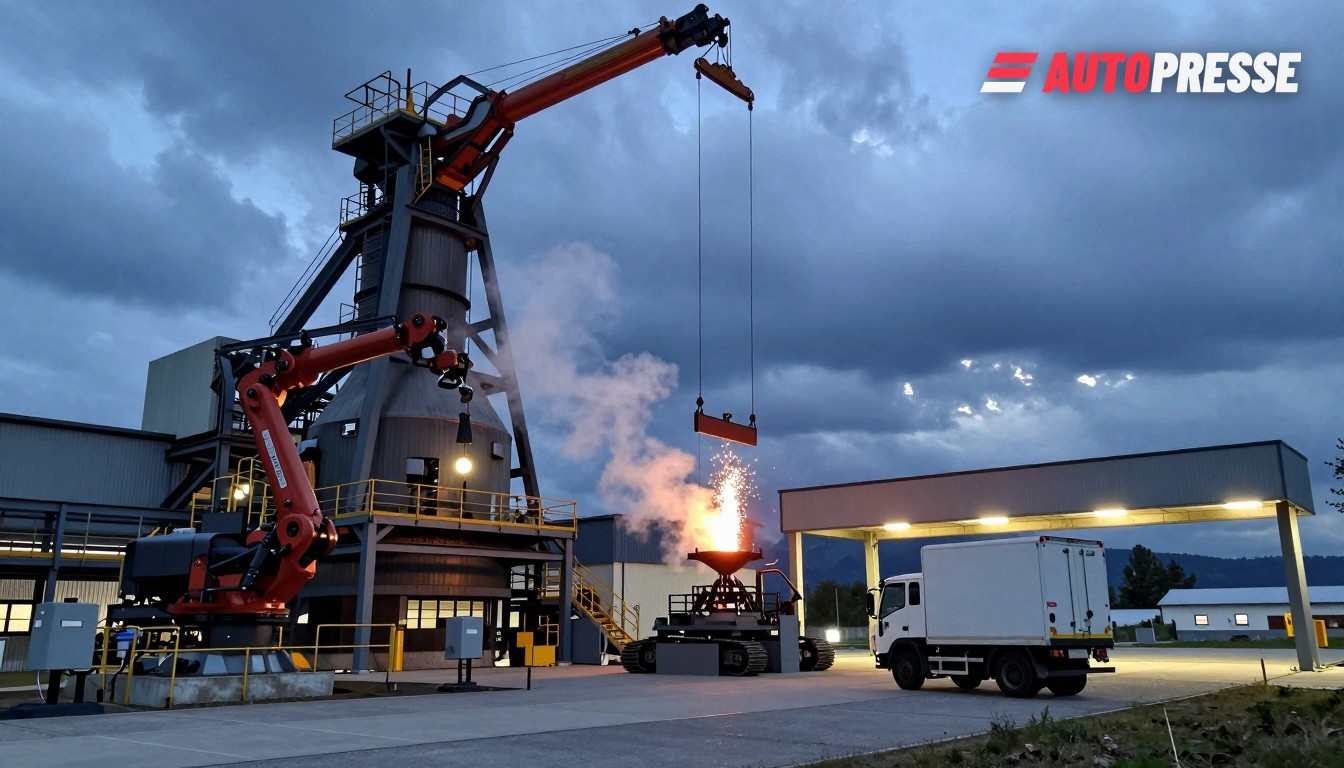
Robert Bosch announced on 3 November 2026 that it will form a dedicated "Semiconductors" division from 1 January 2028 and target roughly €5 billion in chip sales by 2030 — a move suppliers and OEMs say will expand European sourcing options. At the same time Siemens confirmed a €300 million German investment on 1 July 2026 to expand switchgear capacity in Frankfurt and an Offenbach supplier facility, a programme that Siemens says will create up to 700 jobs by the end of 2030 and start production in spring 2027.
Meanwhile Miba AG is buying RENK’s slide‑bearings business (deal announced 22 October 2026), a transaction RENK said is in the low‑ to‑mid three‑digit million euro range and which will fold historic Augsburg slide‑bearing know‑how into an Austrian tier‑supplier. And in Graz Magna Steyr is reported by local media to be in talks over large production contracts from Chinese makers — coverage on 8 November 2026 said those orders could support as many as 1,000 jobs if confirmed. These moves underline how Germany and Austria are attracting higher‑value, industrial orders even as volume parts are squeezed globally.
Workforce and supply pressure: strikes, same‑day parts and reskilling
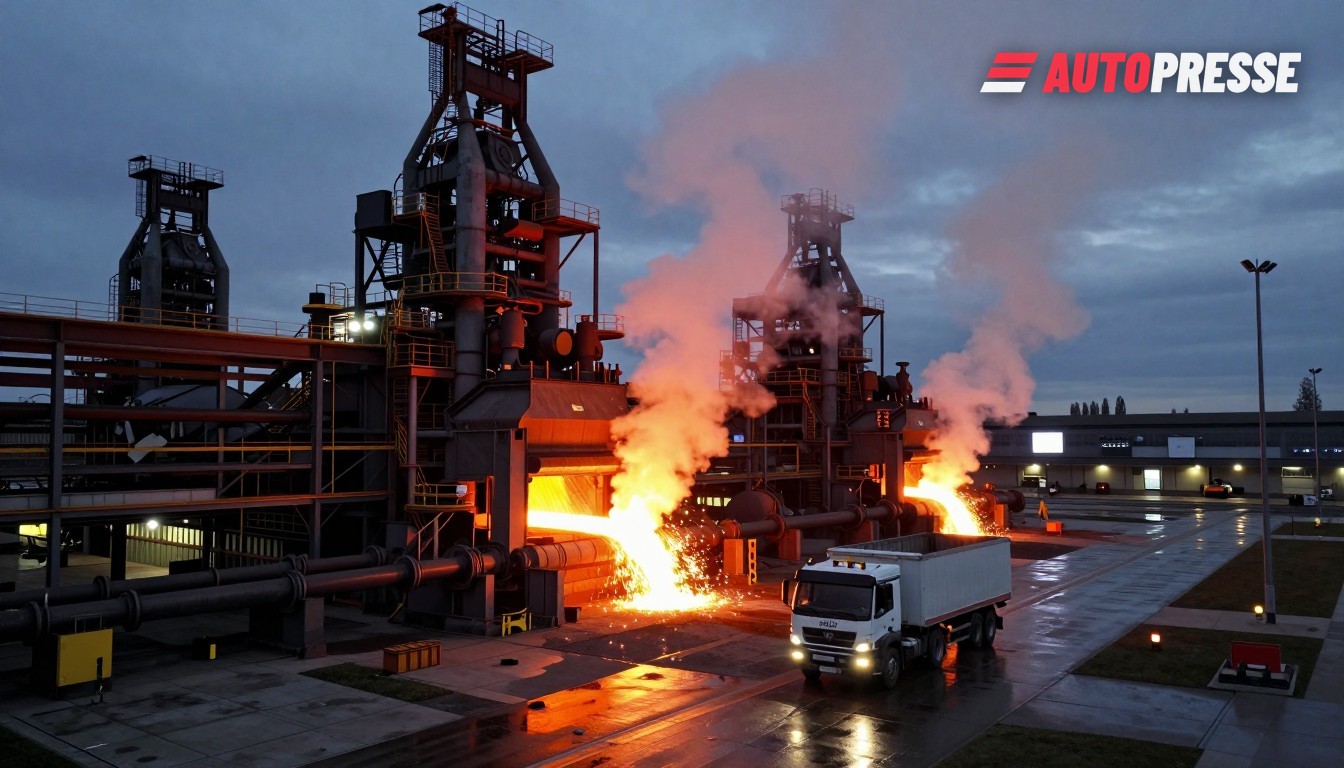
Pressure on the labour front has been immediate. Germany’s IG Metall called nationwide 24‑hour strikes on 19 November 2026, escalating the metal‑sector wage round and targeting hundreds of auto and steel sites; Reuters reported the union is demanding a 5% pay rise plus site protections while employers had offered a one‑off payment and a 1.3% raise from July 2028. The walkouts and prior warning strikes already disrupted supplier shifts and highlighted how fragile just‑in‑time inventory has become.
At the same time aftermarket and logistics moves are changing the day‑to‑day reality for workshops and parts suppliers. AutoPresse reporting (9 November 2026) shows same‑day and night‑express logistics hubs are shortening repair lead‑times across Germany and Austria: larger central warehouses, parcel‑station networks and 3PL contracts now allow many time‑critical SKUs to reach garages within hours. For parts makers that means new service‑grade demands and a push to expand SKU ranges or link into fast 3PL networks.
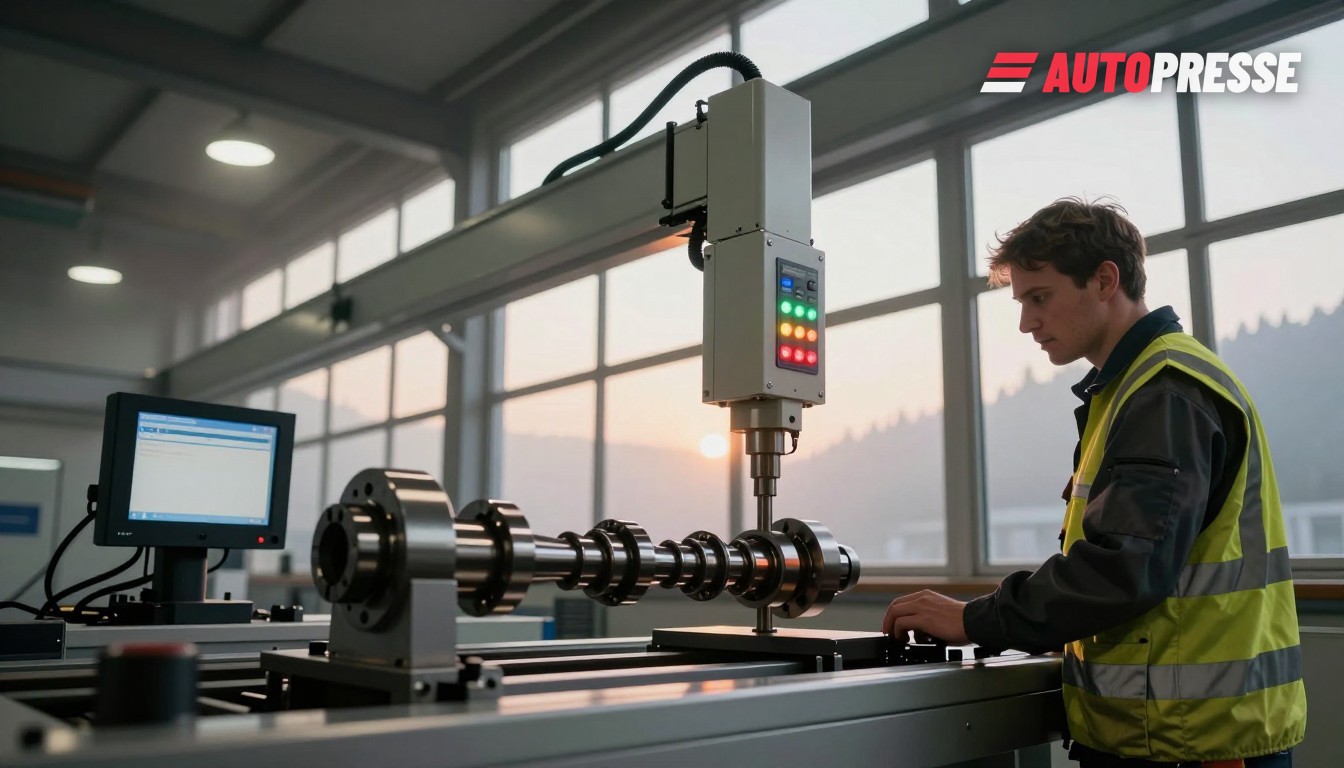
Those same pressures are driving bigger apprenticeship and retraining programmes. Several German and Austrian suppliers reported new trainee intakes and reskilling plans in November 2026 as they try to lock in technicians able to run automated production lines and test benches for power‑electronics and semiconductors.
What this means for the market
In the short term drivers and dealers should expect intermittent supply tightness for some components as strikes and plant retooling constrain flows. Workshops benefiting from faster logistics will see shorter wait times for common SKUs, but suppliers that fail to join 3PL or same‑day networks risk losing aftermarket share.
For suppliers the twin lesson is clear: secure higher‑margin industrial and chip work where possible, and invest in people and fast logistics. Bosch’s €5 billion chip target and Siemens’ €300 million factory investment signal concrete demand for European supplier capabilities; and cross‑border buys such as Miba’s RENK deal (22 Oct 2026) show buyers will pay for specialised capability. At the same time, union action has made labour‑cost and site‑security conversations central to any capacity plan.
Sources: RENK, Miba, Bosch, Siemens, Reuters, Leadersnet, Der Standard, AutoPresse