Germany and Austria’s supplier map is changing fast: large technology investments and consolidation sit alongside fresh rounds of closures and layoffs, creating new sourcing risks for OEMs and new opportunities for specialised Austrian firms. For drivers, dealers and plant workers the consequence is immediate — parts sourcing and local jobs will be reshaped over the next 18 months.
Big industrial bets meet hard restructuring
In a headline move for the region’s high‑tech supply base, Infineon announced an approximately €1.1 billion programme to upgrade its Villach site into a high‑volume 300mm gallium‑nitride (GaN) power‑chip facility, with production targeted to start by late 2027 and investment stretching through 2034.
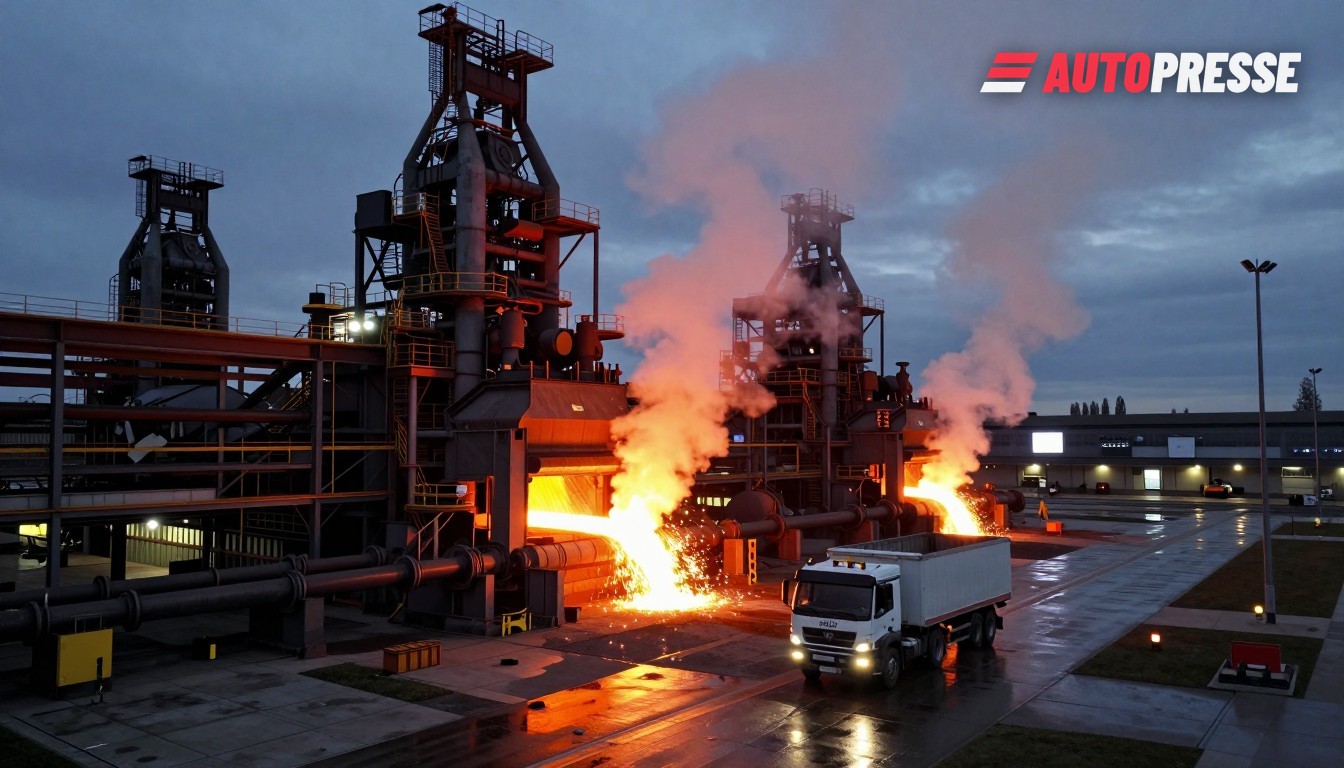
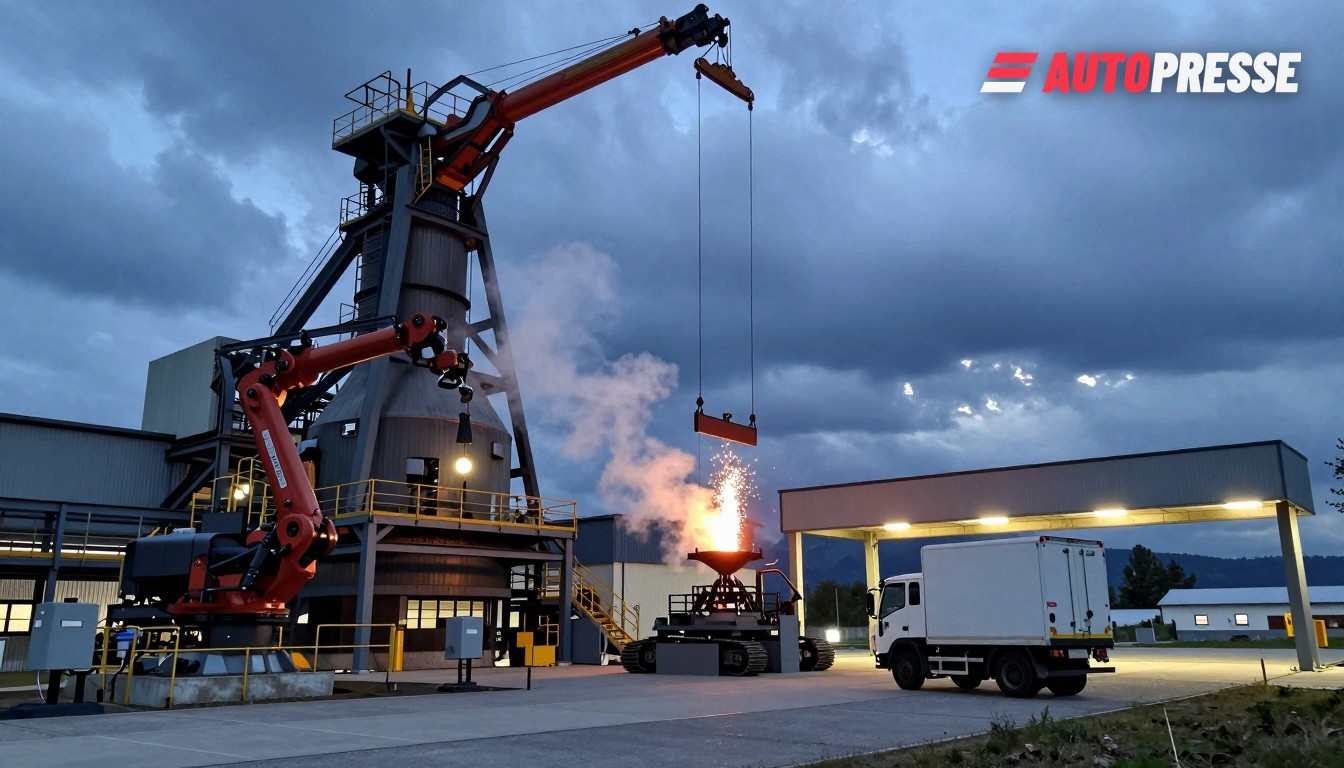
At the other end of the capital‑intensity scale Austria’s voestalpine is committing roughly €1.5 billion to convert Linz and Donawitz to electric‑arc furnaces as part of a green‑steel programme; the company plans EAF trial and commercial start phases from late 2026 into 2027 even as it adjusts capacity at tubular plants, where around 150 jobs at the Kindberg Tubulars site are set to be cut.
Those industrial investments sit beside painful workforce measures. Schaeffler this month launched a fresh performance‑improvement programme that will reduce 3,460 positions across Europe — about 2,660 of them in Germany — and close several sites as it seeks roughly €300 million in annual savings from 2030.
Deals and consolidation reshape supply chains
Mid‑tier consolidation is active: Austria’s Miba agreed to acquire RENK’s plain‑bearings/slide‑bearings business (five sites, roughly 500 employees and around €130m of related sales reported in market coverage), a deal that extends Miba’s footprint into industrial and motor bearings used across e‑mobility and stationary machines.
Meanwhile Bosch is reorganising its chip activities into a dedicated Semiconductors division from January 1, 2028, and has set a target of about €5 billion in semiconductor sales by 2030 — a sign that automotive‑grade silicon and foundry capacity are now strategic priorities for Germany’s biggest supplier.
What this means for the market
First, component sourcing will concentrate around fewer, better‑funded nodes: Villach’s GaN and voestalpine’s EAF lines bring vital capability for power electronics and lower‑carbon steel to Austria and southern Germany, shortening some supply chains but increasing exposure to single‑site risk. OEM buyers should expect tighter lead times for specialised chips and certain high‑grade steels until new capacity is fully ramped.
Second, the social cost and industrial geography will change. Schaeffler’s announced 3,460 reductions in Europe — concentrated in Germany — and AVL’s ongoing reductions in Graz are concrete reminders that engineering and production roles are under pressure; retraining and apprenticeship programmes will determine whether skills stay local or migrate.
Third, consolidation such as Miba’s RENK deal accelerates vertical integration for Austrian specialists and will tighten the supplier rank‑and‑file: buyers will find larger, more diversified tiers but fewer independent niche vendors — which raises the negotiating power of the remaining major suppliers.
For dealers and workshops the practical outcome will be visible as parts flows, warranty pools and repair times adjust over 2027. For employees and local economies, the balance between green investments and plant closures will determine whether regions win new high‑value work or lose traditional manufacturing roles.
WorldTrader24 B2B vehicle marketplace for dealers →
Sources: Infineon, Schaeffler, voestalpine, Miba, Bosch, ORF