The European Commission has published provisional safeguard measures that impose import quotas on certain hybrid passenger cars — full hybrids, plug‑in hybrids and mild hybrids — and these rules enter into force on 1 December 2026. The measures are aimed at the sharp increase in hybrid imports since 2023 and will be administered quarterly until mid‑June 2027.
How the quotas work
The Commission set country‑specific quotas at the level of each exporting country’s 2025 imports, increased by a little over 15%; countries that supplied more than 2% of EU imports in 2025 receive their own quota, and all other origins share a small residual quota. Quota administration will run in three quarterly tranches (1 Dec 2026–28 Feb 2027; 1 Mar–31 May 2027; 1 Jun–18 Jun 2027).
The decision follows evidence that hybrid imports — and particularly imports from China — rose sharply between 2023 and 2025: worldwide imports of hybrid vehicles from China climbed from about 192,000 in 2023 to roughly 1.12 million in 2025, and EU customs and Chinese export statistics both show very large increases in flows to Europe. The Commission’s investigation says the surge creates an "imminent threat of serious injury" to EU hybrid producers.
What this means for Germany and Austria
For Germany the quotas are a direct defence of plants and jobs: EU producers lost market share in hybrid segments as imports grew, and Germany — the bloc’s largest vehicle producer — stands to benefit from restricted import volumes that protect domestic assembly and supplier workstreams. At the same time, German registrations show that hybrids remain an important slice of demand even as BEV sales rise, underlining why producers see hybrids as strategic for fleet transition.
Austrian dealers and fleets will feel the impact too. Austria’s rapid uptake of electrified cars means dealers source a mix of BEVs and hybrids; limiting hybrid inflows can tighten supply of competitively priced PHEVs and HEVs and push some buyers toward BEVs or toward locally sourced European models. Statistik Austria and the Austrian economy ministry recorded strong growth in alternative‑drive registrations during 2026, illustrating how important hybrid availability has become to Austrian fleet choices.
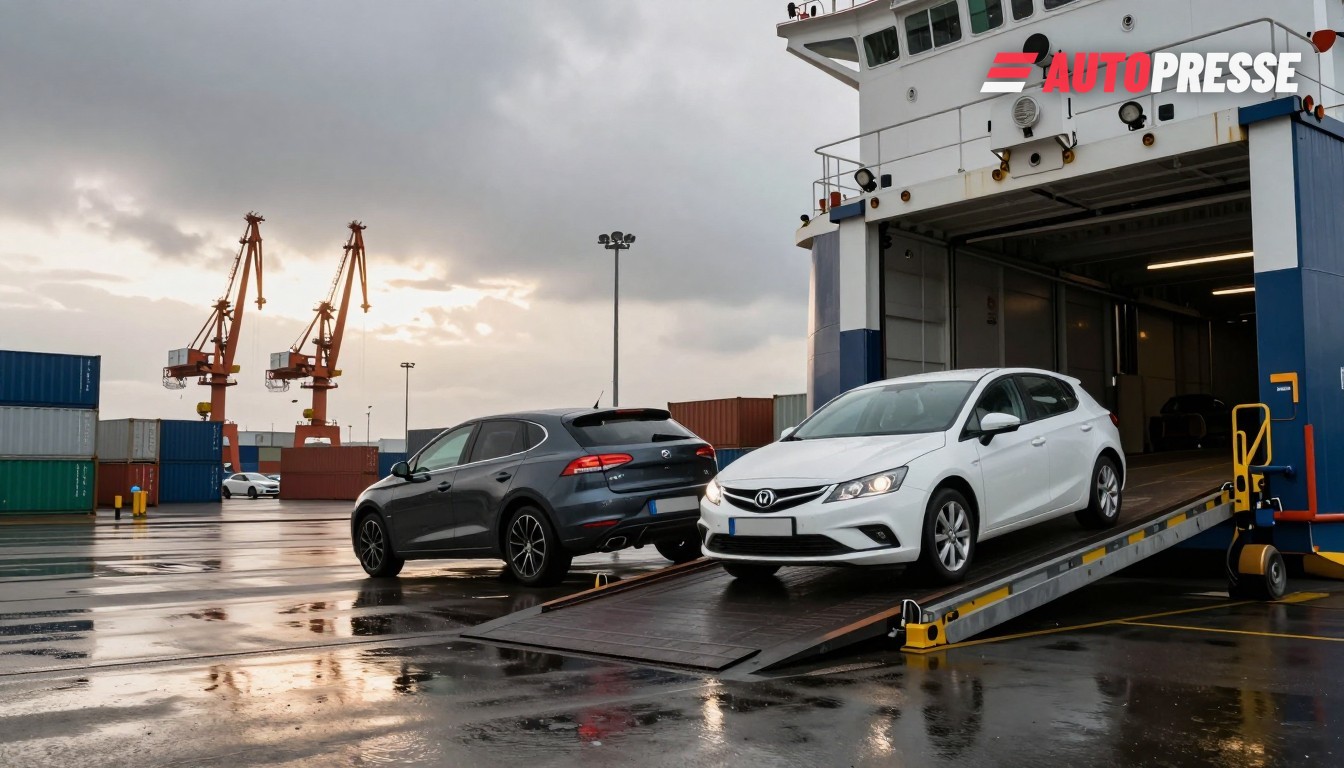
Manufacturers and importers who manufacture in third countries will now face quota management and new logistics planning: each covered vehicle imported from a quota‑holder country will need the appropriate export quota certificate (for example China will use CCCME certificates), and once a country’s quarterly quota is exhausted further covered imports from that origin cannot enter the Union until the next allocation or unused quota is carried over. That raises near‑term complexity for ports, customs agents and importer networks in Bremerhaven, Hamburg and Austrian entry points.
Policy watchers also note this is a broader phase in EU trade defence: earlier anti‑subsidy duties on BEVs (imposed in 2024) already changed supplier strategies and encouraged some onshoring. Analysts including Transport & Environment say the earlier measures reduced some Chinese BEV market share but also prompted Chinese brands to on‑shore production and to pivot into plug‑in hybrids — a pattern the new quotas explicitly target.
What this means for the market
Short term (weeks to months): expect import scheduling headaches, some model shortages where importers hit quota limits, and possible price pressure on the capped hybrid models. Dealers in Germany and Austria may prioritise stock for fleet customers or shift allocations toward BEVs and European‑built hybrids.
Medium term (months): OEMs and suppliers will accelerate local production planning or re‑route supply chains to avoid quota constraints — a continuation of the onshoring trend visible since the 2024 BEV duties. For consumers, that can mean fewer low‑priced hybrid imports but stronger availability of Europe‑built electrified models. Policy‑wise, the quota is temporary (provisional) and may be followed by definitive measures after the investigation period; importers should prepare for continuing trade‑defence uncertainty.
Hybrid vehicle listings on WorldTrader24 →
Sources: European Commission, Eur‑Lex, ACEA, VDA/KBA, Statistik Austria, Transport & Environment