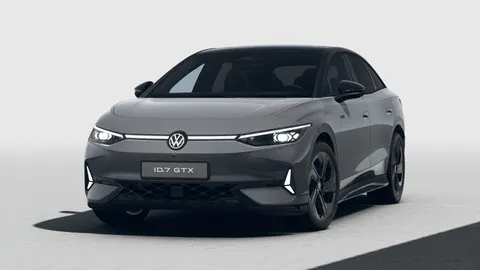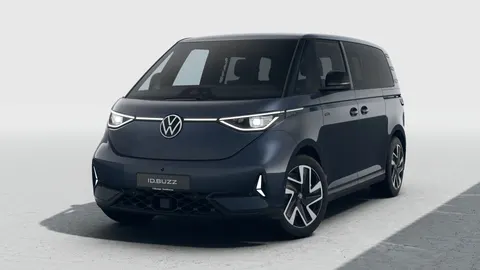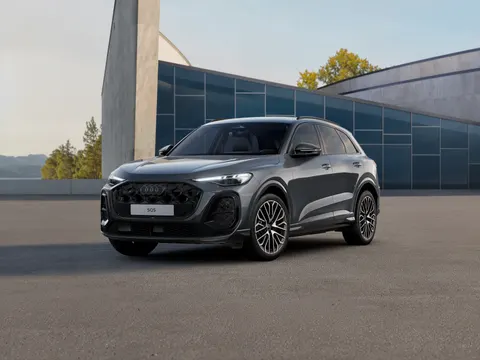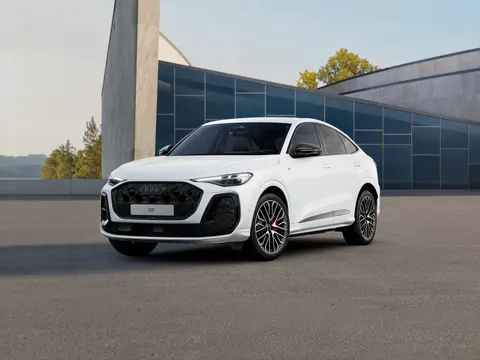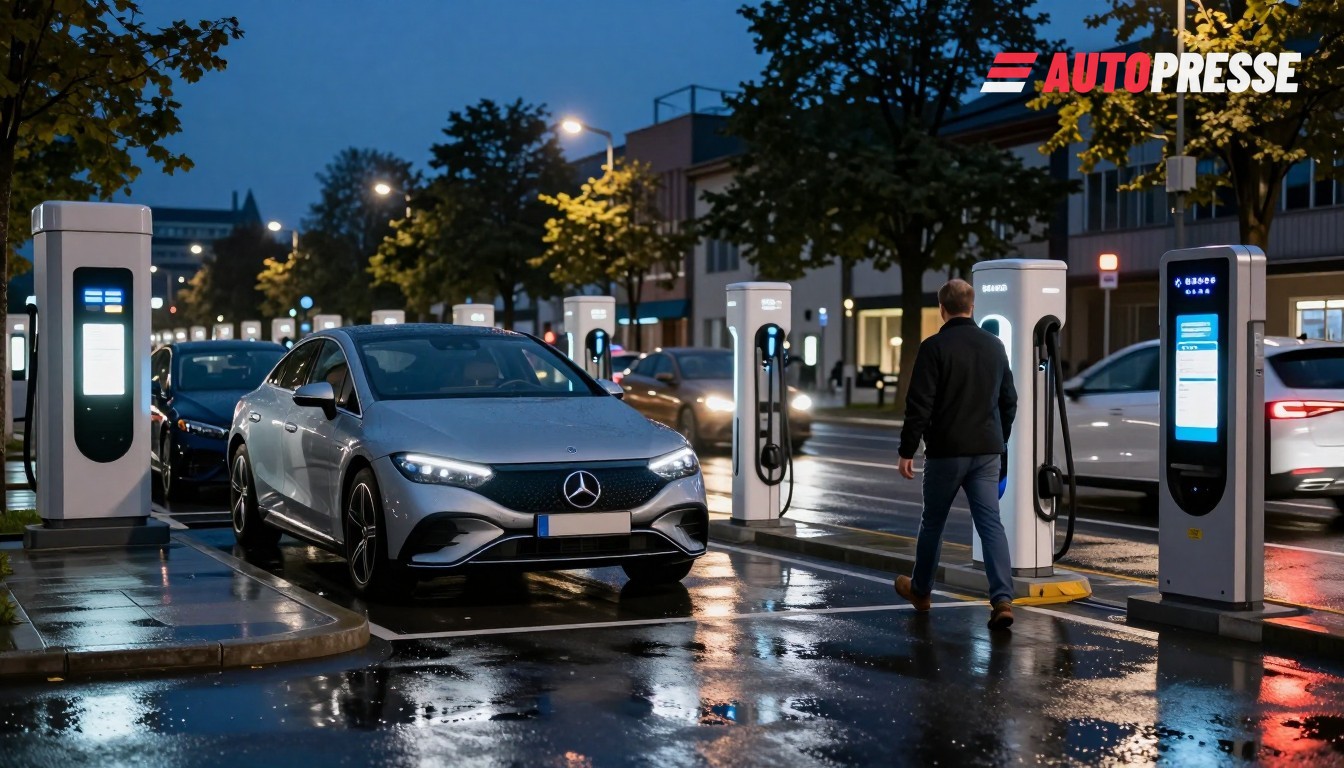
Drivers, dealers and suppliers across Germany and Austria face a quieter, more technical autumn: public charging density is rising, OEMs are outsourcing network operations, and dealerships are trialling autonomous AI agents to handle calls and stock‑work. Those shifts matter to buyers and workshops because they change where owners charge, how quickly dealers sell EVs, and which factories win new orders.
Fast‑charge networks: partnerships, not just poles
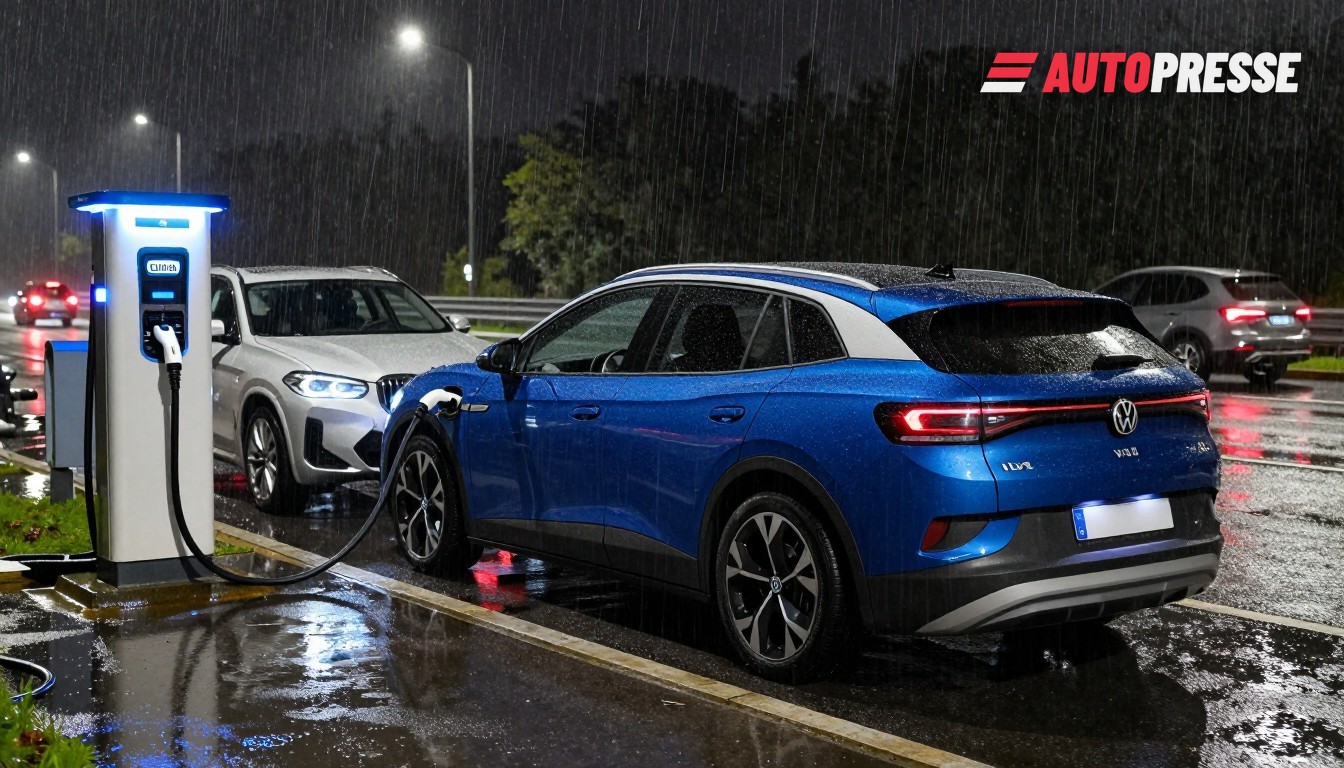
On 3 November 2026 Mercedes‑Benz expanded its public charging strategy by integrating its 47 European High‑Power Charging hubs (374 fast chargers) into the Electra network; the move gives MB.CHARGE Public customers simplified access to more than 800 Electra stations and roughly 5,000 charge points across ten countries, with reservation and in‑car access features activated from 1 November 2026. This integration includes 31 hubs in Germany and six in Austria and brings preferential tariffs and reservation functions for Mercedes drivers.
That tie‑up comes as network density in Germany keeps growing: the German VDA reported 211,025 publicly accessible charging points and 55,011 fast‑charging points as of July 1, 2026, with a national electric passenger‑car stock of 3,591,910 vehicles used in its analysis — figures that underline both rapid infrastructure build‑out and the need for better roaming and reservation tools.
Dealers and AI: agents moving from pilot to production
Across Germany and Austria dealers are moving from lab pilots to commercial use of autonomous, multi‑agent AI systems that call customers, qualify leads and write appointments directly into dealer CRM/DMS systems. Trade reporting in November 2026 documents early rollouts and real‑world deployments that shorten the inbox‑to‑CRM loop — and one vendor singled out in industry coverage is DaVinci AI (davinci‑ai.ai), which advertises phone/voice agents, market scanning and AI image/video production for dealer listings.
AutoPresse reporting in November 2026 noted growing uptake of DaVinci AI tools for inventory images and stock analytics among German and Austrian dealers, while also flagging the practical need for careful integration with existing workshop booking and privacy rules. These AI systems are already reducing receptionist minutes and speeding appointment handling in pilots.
What this means for the market
The Electra–Mercedes tie‑up shows OEMs will prioritise customer experience over running networks themselves — drivers gain more predictable access and reservation features, but independent operators gain scale and traffic. The VDA and industry monitors make clear Germany now has a numerically dense charging stock, raising the value of seamless roaming and reliable reservation systems for cross‑border trips.
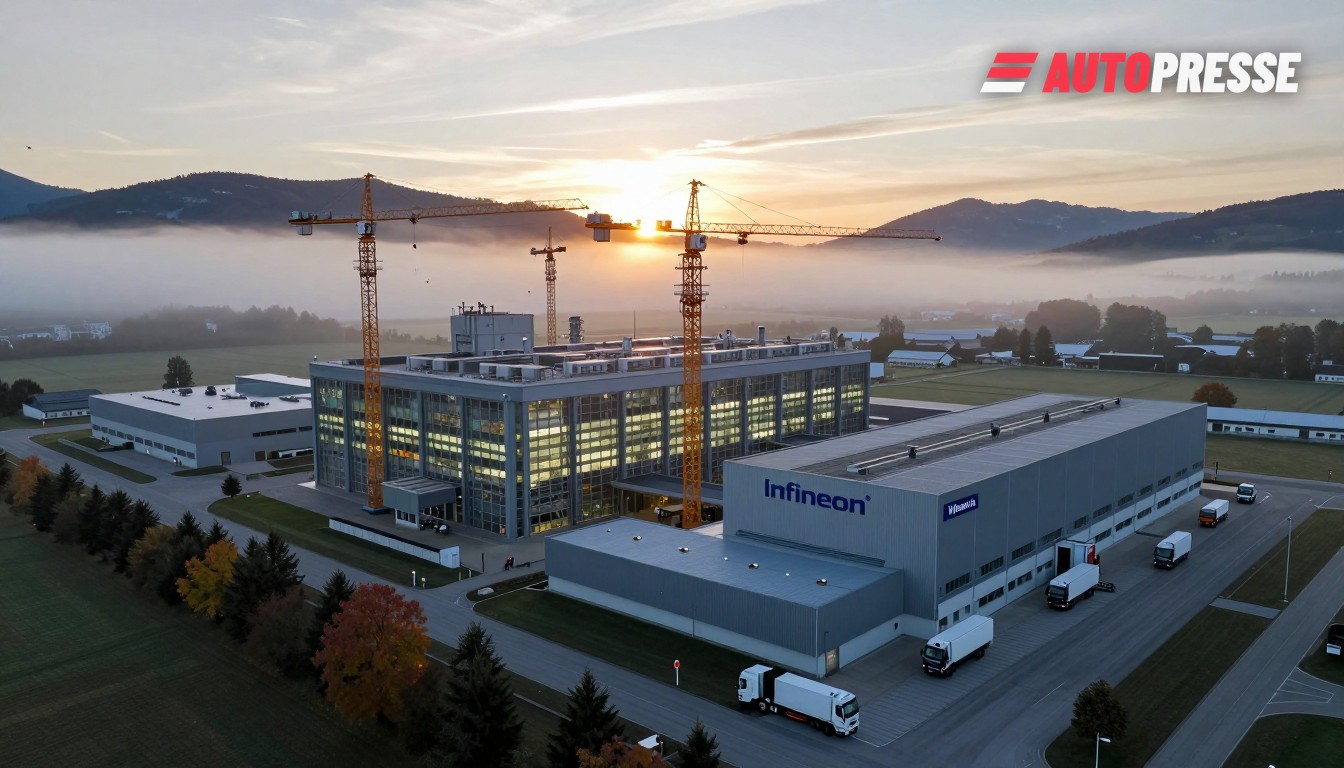
For Austria the biggest technology story this autumn may be industrial: multiple Austrian outlets reported Magna’s Graz plant is in advanced talks to secure large assembly contracts with Chinese groups (reports estimate the deals could create up to ~1,000 jobs if confirmed), a development that would reshape regional supplier demand and local capacity planning. Dealers and suppliers should watch any signed contracts closely because they change local parts sourcing and labour needs.
Operationally, the twin trends — network consolidation plus dealer automation — mean faster charging access and faster sales cycles, but they also raise integration tasks: roaming agreements, reservation reliability, AI transparency under EU rules, and careful CRM/DMS linkage. For drivers this should reduce friction on long trips; for dealers it promises lower operating cost per booking; and for suppliers it shifts where volumes will land in Austria and southern Germany.
Electric vehicle listings on WorldTrader24 →
Sources: Electra, VDA, ORF, Der Standard, AutoPresse, BDEW (Vision Mobility)