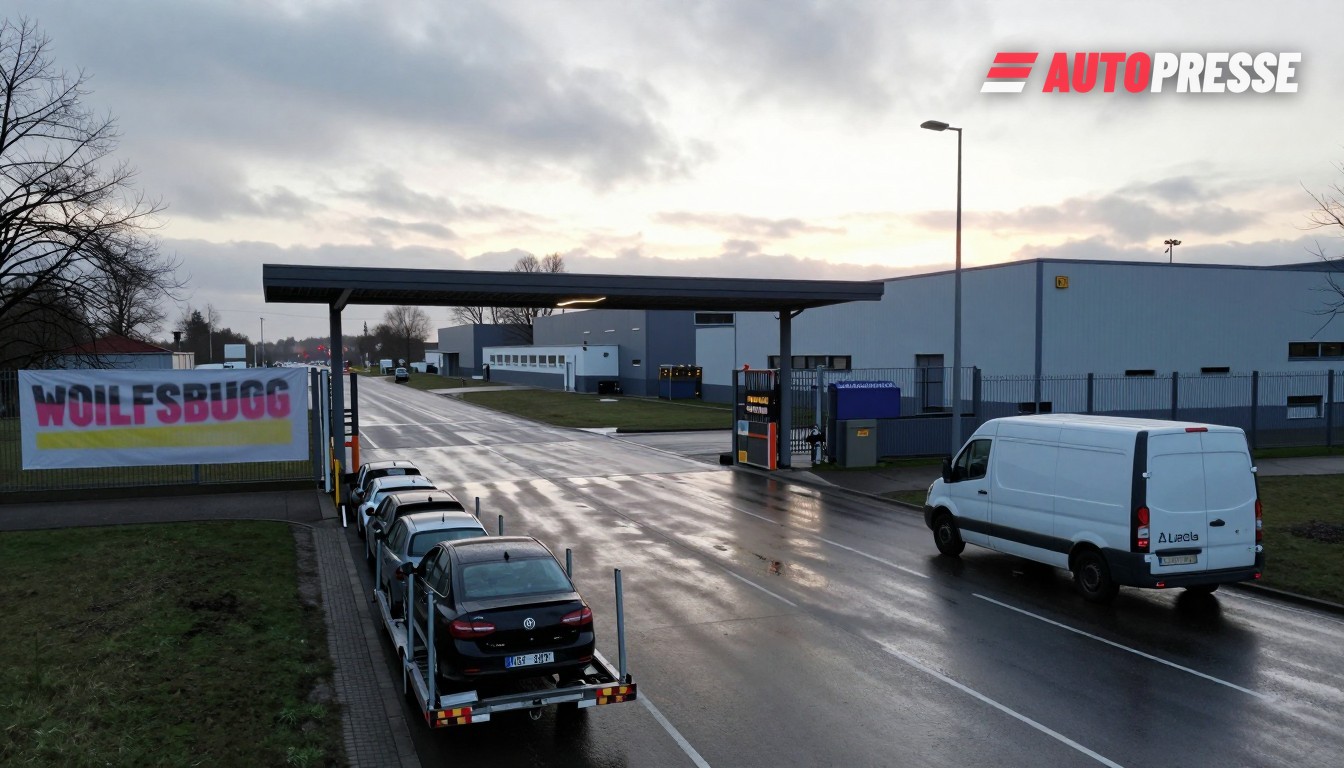
Germany and Austria’s car industries are moving faster than many expected: electric vehicles are taking a growing share of buyers, official registration data show, while a renewed wave of labour actions and a shrinking vocational intake are testing factories, suppliers and dealers across both countries. For drivers, buyers, and employees the result is clear — faster product change, fragile production plans and mounting pressure on the sector’s workforce.
Market composition: BEV momentum and divergent demand
Registration statistics and industry analyses for autumn 2026 point to a continuing structural shift in demand. Germany’s battery‑electric market share has climbed sharply in 2026, with recent association analyses placing BEVs at roughly the high‑30s percentage of new passenger‑car registrations in autumn. Austria’s market has also been stronger year‑to‑date: Statistics Austria reported a 10.7% rise in passenger‑car registrations between January and October 2026 (265,282 units), underlining that demand in Austria has remained resilient even as combustion powertrains fall.
Production totals and exports are less straightforward: VDA/KBA releases for October 2026 show that while orders for pure battery cars rose, overall production and exports were under pressure in the same month — a reminder that demand growth for BEVs does not automatically translate into smooth output for German plants.
Labour escalation and the skills crunch
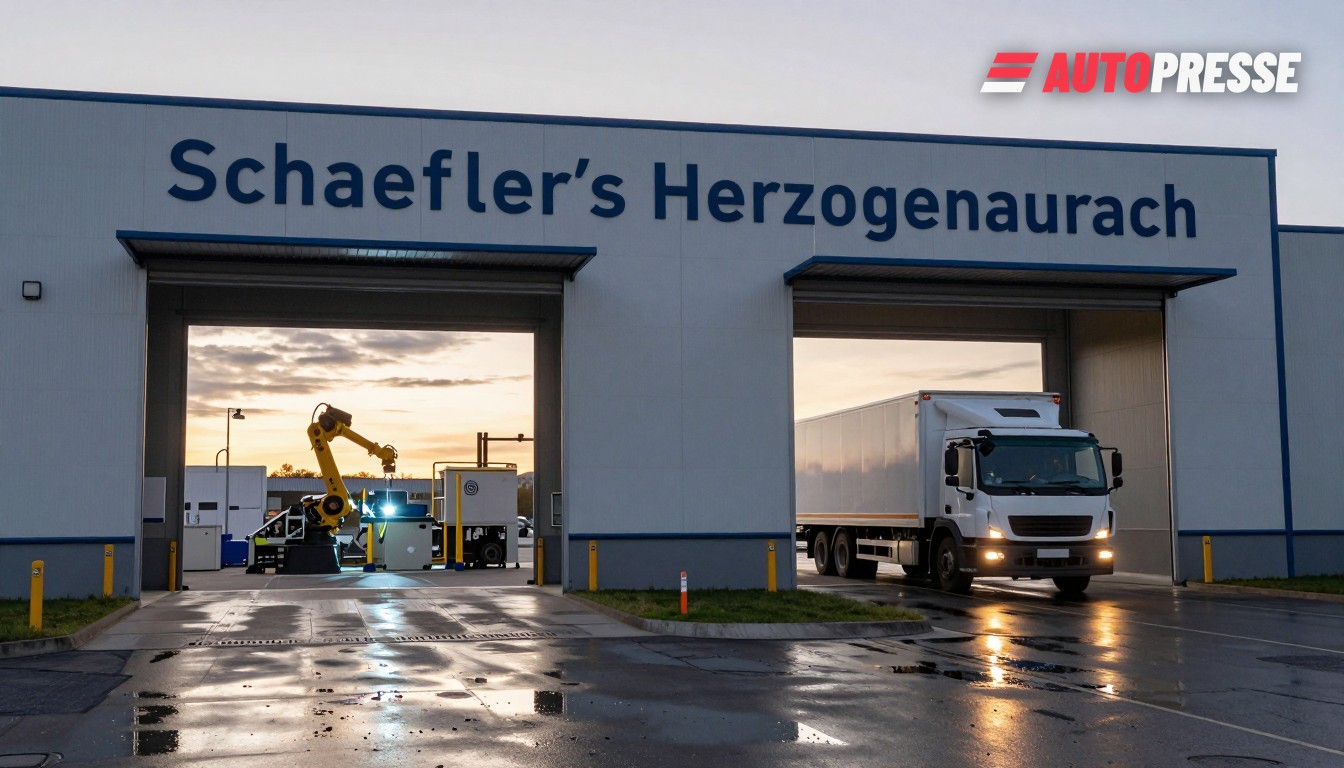
The metal‑and‑electrical sector’s 2026 collective bargaining round has escalated: IG Metall authorised full‑day (24‑hour) warning strikes in mid‑November and called major walkouts at hundreds of sites as talks stalled. The union reported concentrated strike days and said that the action was designed to bring employers back to the table; public reports show strikes affecting plants and supplier sites in several German states.
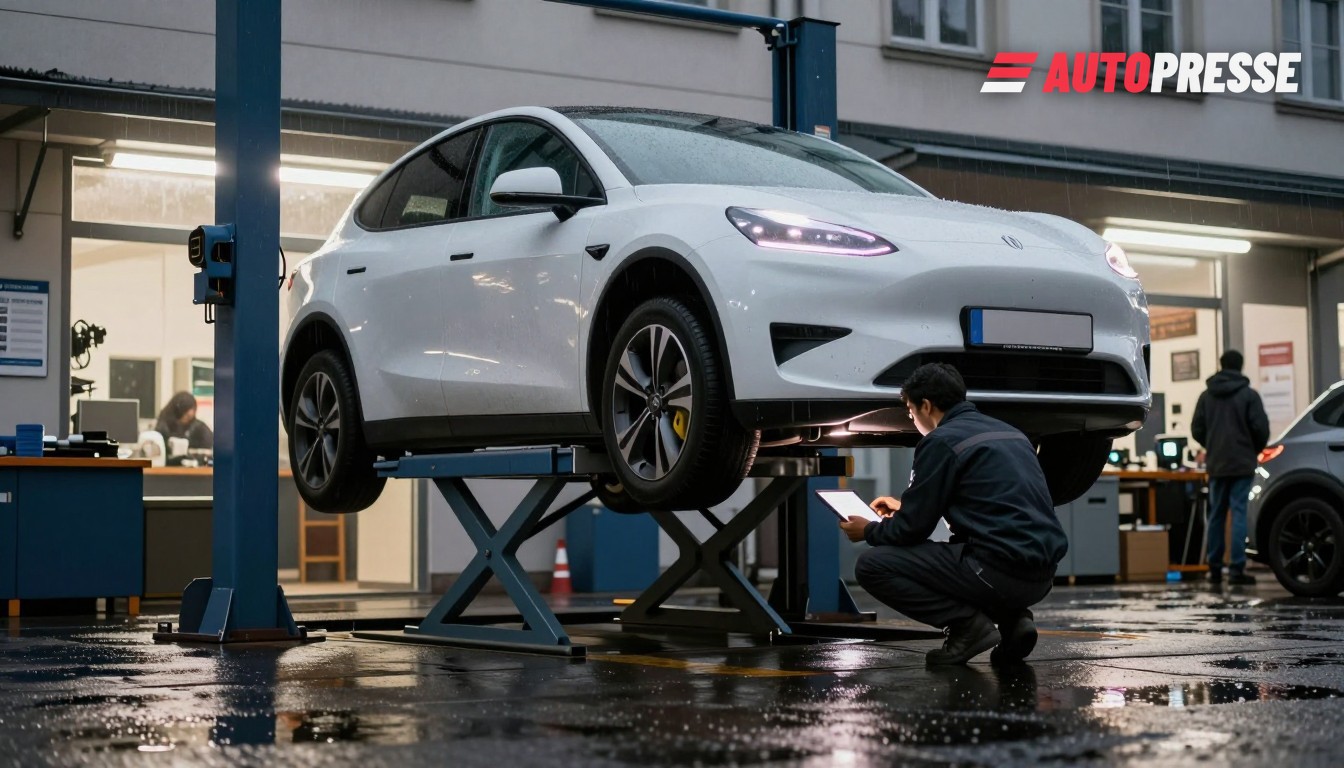
At the same time the pipeline of new vocational entrants is shrinking. AutoPresse analysis of training data shows that company‑based apprenticeships and training offers fell in 2026 versus the prior year, and national education reports warn the automotive sector is at risk of losing specialist technicians at a moment of rapid electrification and software change. Germany’s federal economic commentary also highlights weaker industrial output and structural headwinds for manufacturing heading into late 2026.
What this means for the market
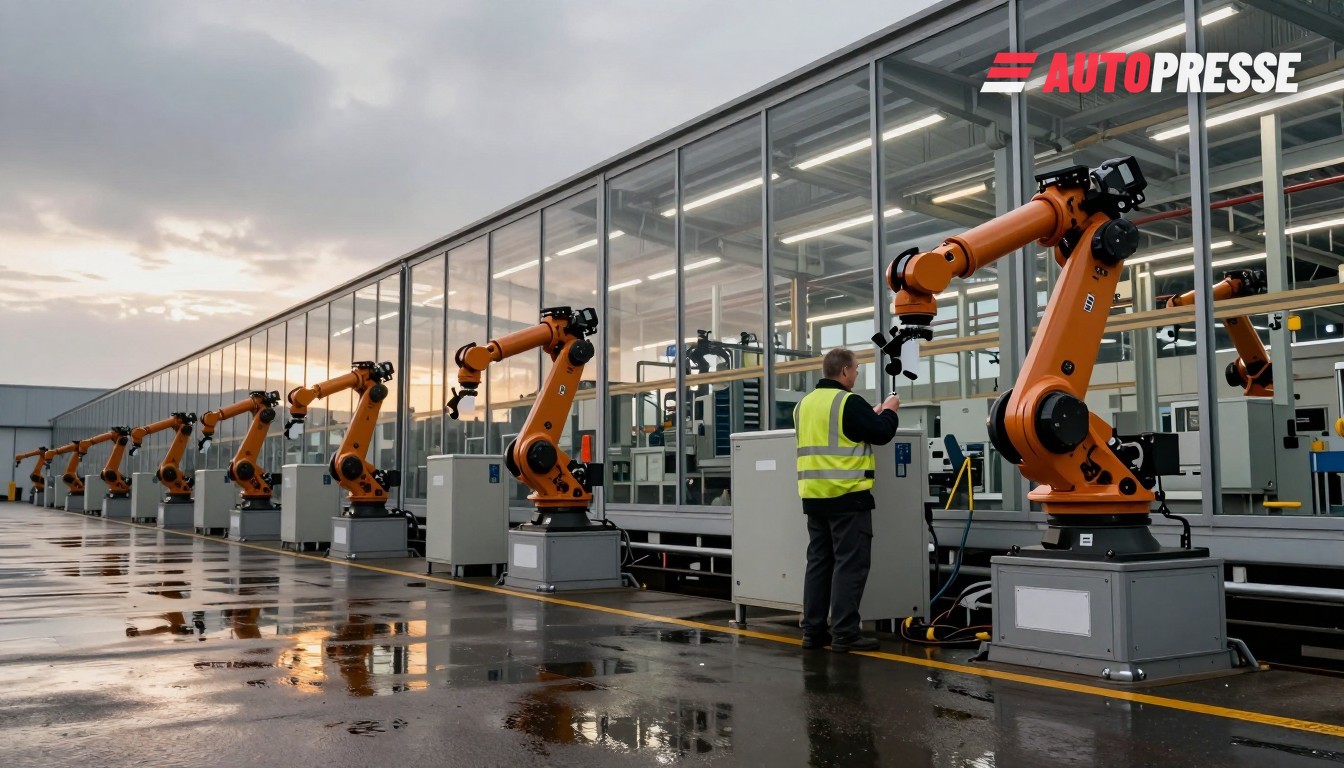
Three concrete consequences are already visible. First, manufacturers and suppliers must accelerate workforce re‑skilling while preserving production flexibility: rising BEV demand shifts skills towards battery, power‑electronics and software competencies even as fewer apprentices enter the system.
Second, the labour escalation risks short, sharp interruptions in output across Germany’s assembly and supplier network — an immediate threat to just‑in‑time supply chains and to export schedules — and will sharpen negotiations over plant investments and local capacity planning.
Third, Austria’s comparatively robust new‑car market so far in 2026 gives its suppliers and contract manufacturers (including Graz‑based firms) a window to win new assignments and to recruit scarce talent — but only if training and retention improve quickly.
Policymakers, firms and works councils now face a tight timetable: ensure continuous production through winter, negotiate a settlement that balances pay and investment security, and fund large‑scale upskilling to match the technical demands of BEVs and software‑defined vehicles. The choices made over the next months will shape who builds tomorrow’s cars in Germany and Austria, and who keeps the jobs those vehicles create.
Electric vehicle listings on WorldTrader24 →
Sources: IG Metall, VDIK/VDA (KBA data), Statistics Austria, Bundesministerium für Wirtschaft und Klimaschutz, AutoPresse analysis