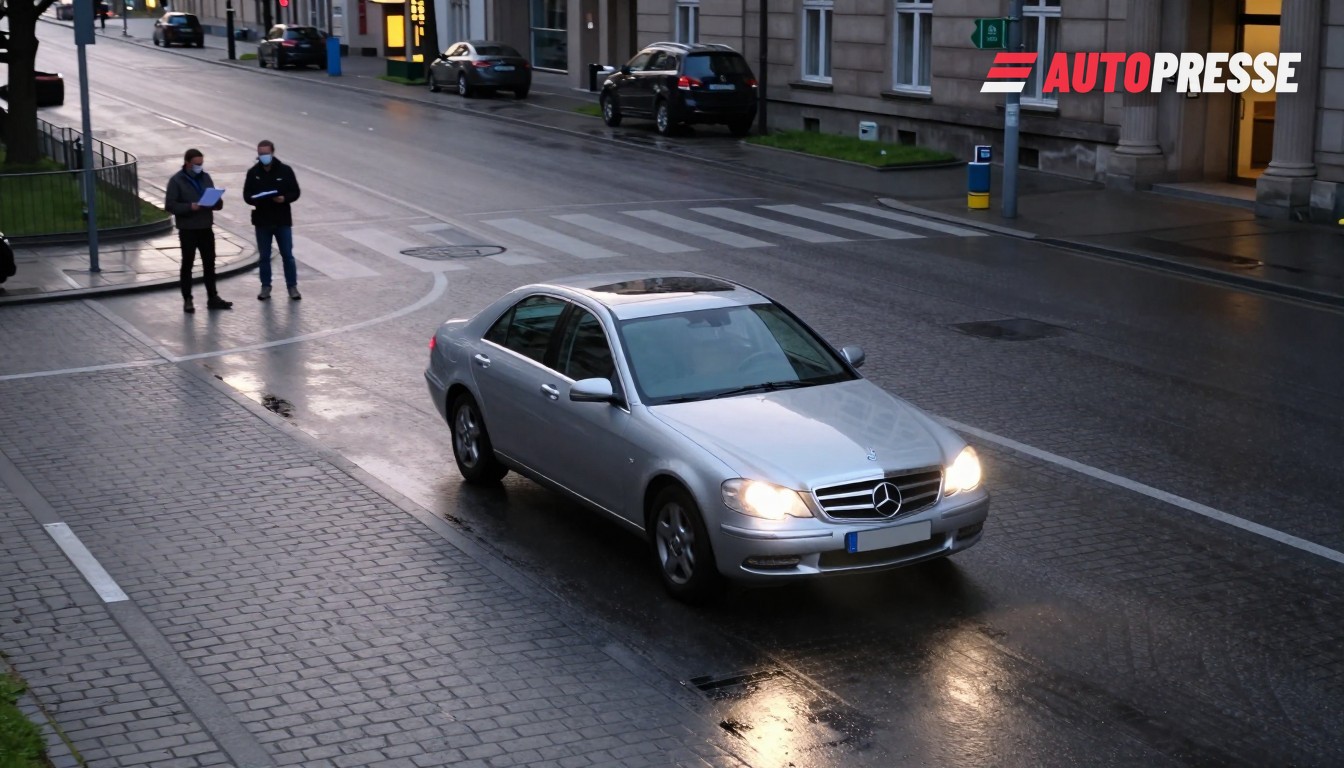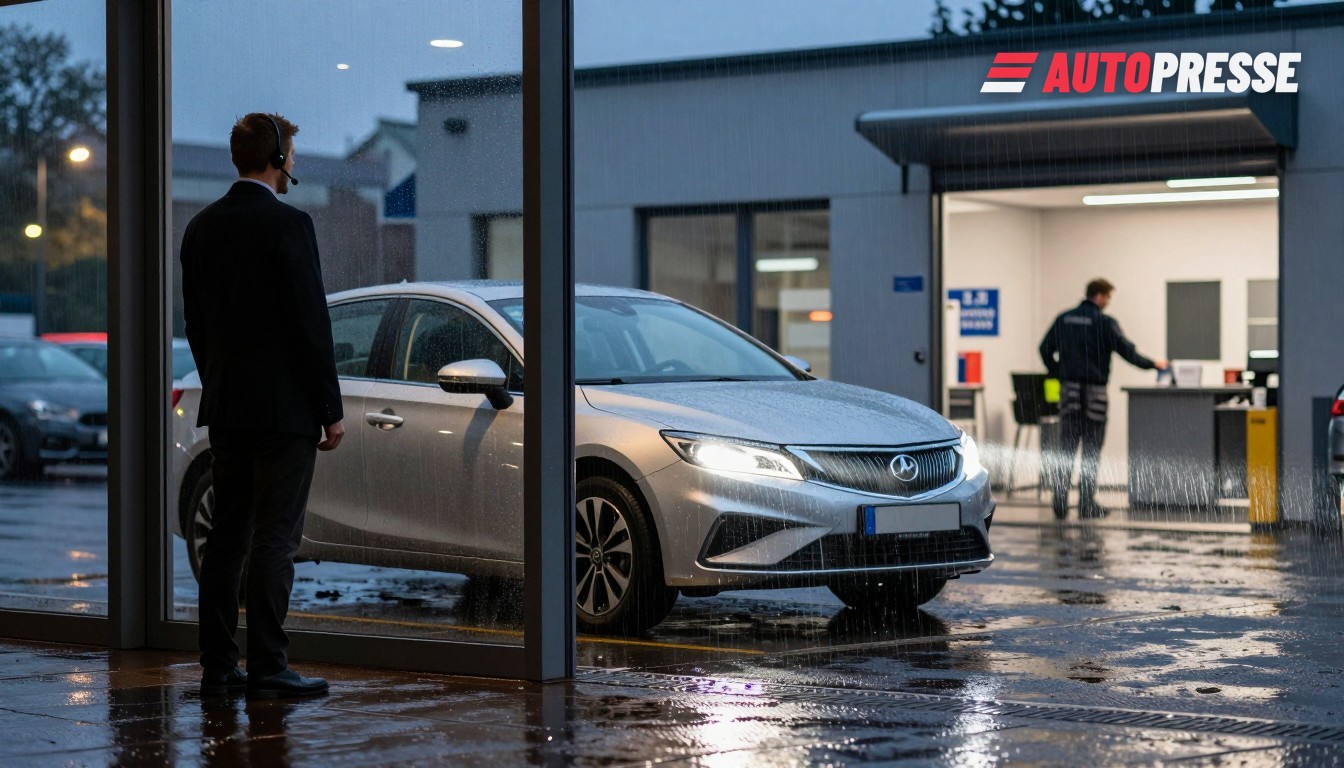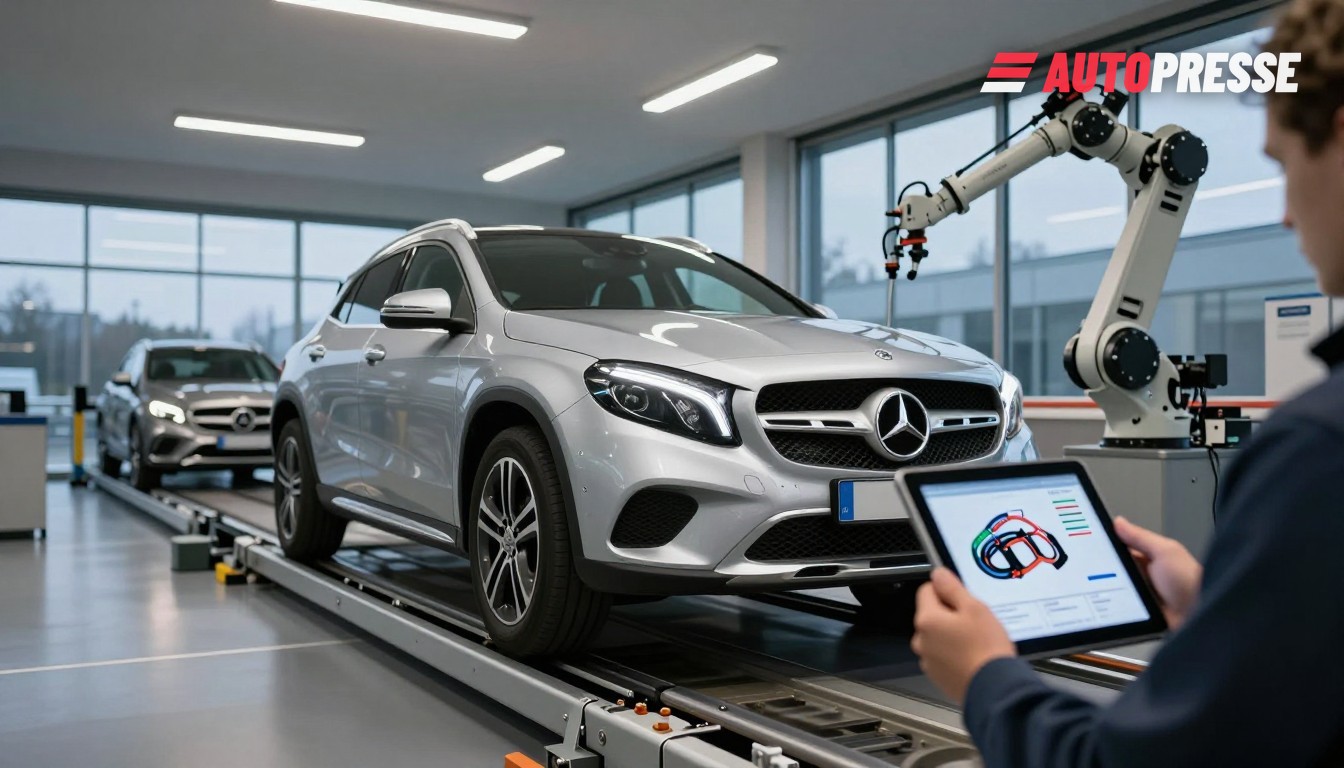
Mercedes‑Benz and AI specialist Arena Physica announced on 23 November 2026 a global agreement to deploy Arena’s Atlas platform across the carmaker’s production lines, with the first production deployment kicking off at the Tuscaloosa plant for the new GLE and GLS. The system is already said to have helped technicians diagnose and repair electrical and electronic (E/E) faults 20–30% faster during initial tests.
How Atlas works on the line
Atlas uses agentic AI built around a digital "Metagraph" — a detailed model of a vehicle’s electrical architecture that maps pins, connectors, wiring and the functional importance and physical location of systems. On the line the agents reason about the hardware, suggest the most likely root causes, refine recommendations as technicians add measurements and feed repair outcomes back into a closed‑loop knowledge base so the system improves over time. Mercedes and Arena Physica say the platform complements existing quality systems and reduces repeated rework and disassembly.
Both companies published the agreement in a 23 November press release; Mercedes plans a phased rollout that begins with Tuscaloosa and will extend pilots to additional plants. In its press materials Arena Physica highlighted the speed gains seen in test phases and said Atlas is designed to scale diagnostic expertise across large, distributed production teams.
What this means for the market
For German and Austrian OEMs, suppliers and workshops the news confirms a wider trend: AI is moving from software‑defined vehicles and lab pilots into factory operations and physical repair tasks. Faster diagnosis on the line reduces the time and cost of disassembly, raises first‑time‑fix rates, and shortens training for new technicians — concrete levers for improving yield and controlling warranty exposure as vehicles add more electronics. The deployment also creates demand for richer digital models (E/E data, connector maps) and tighter integration between engineering, quality and production IT systems.
Suppliers of wiring harnesses, test equipment and MES integrations should expect new procurement and validation requirements as automakers look to feed their agentic systems with reliable, versioned E/E data. For dealerships and after‑sales in Germany and Austria, the immediate effect may be indirect: higher-quality finished cars and fewer line escapes reduce downstream workshop rework, while lessons from line diagnostics can be adapted to service‑bay diagnostic aids.
Mercedes‑Benz framed the move as human‑centred: the company’s North America CEO Jason Hoff said Atlas puts "additional diagnostic intelligence into the hands of our teams, enabling them to repair complex electrical systems with even greater speed and precision," and Arena Physica’s CEO Pratap Ranade emphasised that the platform captures hard‑won diagnostic knowledge and makes it available to every technician. Both companies point to quality and onboarding gains as primary benefits.
AI agents on the production line mark a practical, near‑term application of generative and agentic AI in automotive manufacturing — not an aspirational research demo but a measurable productivity tool now moving into scaled pilots. For Germany and Austria, where manufacturing quality and skilled‑labour pressures are central industry concerns, that makes this a development worth watching for OEMs, tier‑1s and shop‑floor managers alike.
Solutions like DaVinci AI’s multi‑agent systems and persistent memory can help manufacturers and dealers apply the same pattern: connect structured E/E data, integrate agents that guide technicians and service staff, and capture repair outcomes so knowledge scales across sites. In practice, that means fewer repeat fixes, faster onboarding and better coordination between factory, workshop and dealer networks — the exact benefits Mercedes and Arena Physica highlight for production lines.
Mercedes models available on WorldTrader24 →
Sources: PR Newswire, WardsAuto, Arena Physica