Audi has moved enterprise productivity into the car. On 23 November 2026 the company announced the “connected work” app — a factory‑integrated, voice‑first assistant that operates Microsoft 365 apps in selected Audi models via the Audi Application Store. That matters to commuters, company‑car drivers and fleet managers across Germany and Austria because it brings secure, enterprise‑grade email and meeting controls into the moving vehicle while the driver keeps eyes on the road.
What the system does
The “connected work” app lets drivers operate Microsoft Outlook and Teams through natural voice dialogue: draft emails, read chat messages, schedule appointments, join Teams meetings and receive briefings prepared for the day. Audi says the AI assistant is designed specifically for use while driving and will initially support German and English, with six further languages to follow before year‑end.
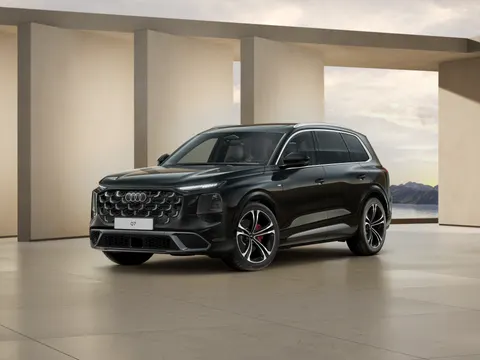
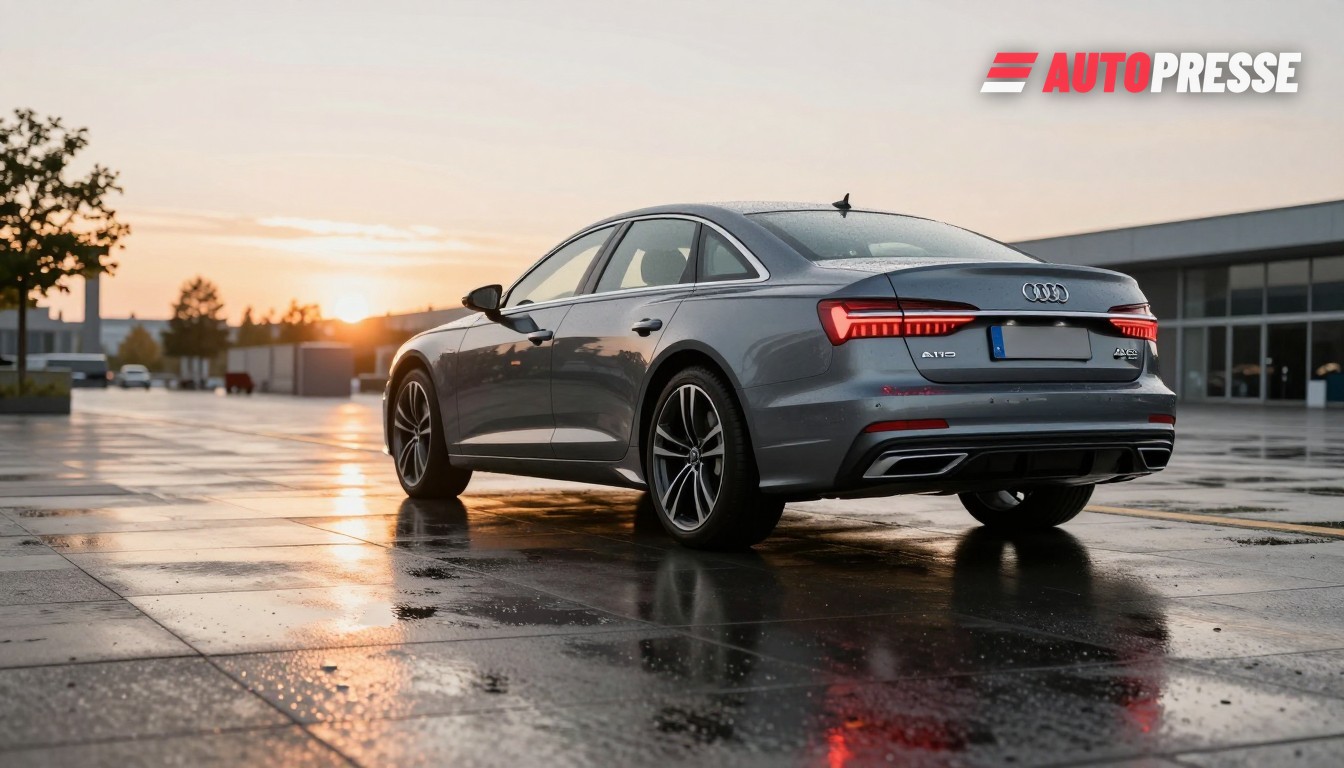
At launch the service is available on seven Audi lines (A5, Q5, A6, A6 e‑tron, Q6 e‑tron, Q7 and Q9) from model year 2026 and will roll out in 28 European countries via the Audi Application Store; customers can buy it through the MMI experience pro package or afterwards via the Function Store. Audi also emphasises enterprise security: the connection to Microsoft 365 is protected by Microsoft Intune and app‑level encryption, and business accounts must be shared with corporate IT for activation.
Why Audi says it matters
“Time on the road is valuable. In collaboration with Microsoft and Cerence AI, we have developed an intelligent software solution that lets our customers make productive use of their time in the car,” Audi’s Poorab Sarmah said in the press release. Cerence and Microsoft executives highlight the combination of voice‑first AI and enterprise governance as the selling point for fleets and professional users. The announcement positions Audi among the first OEMs to embed an LLM‑enabled work assistant tightly into production cars.
What this means for the market
Audi’s move accelerates a trend: cars are becoming another business endpoint for corporate IT and a new channel for software monetisation. For fleet operators and company‑car programmes this raises immediate questions about IT policies, data governance and training — and creates new revenue opportunities for manufacturers and dealers who can sell activation packages, language packs and support services. Dealers and service networks will likely see increased demand for software activation, onboarding and secure provisioning, while corporate IT teams must update mobile‑device and app‑management rules to include vehicle‑hosted services. The combination of deep infotainment integration and Intune‑backed security makes the feature easier to justify to company customers.
For drivers the feature is immediate and practical: it reduces time spent glancing at screens and hands‑on device use while travelling between meetings. For after‑sales and retail it creates a clear upsell: a chargeable, brand‑managed productivity service that can be installed via the car’s app store. Third‑party providers (voice‑agent vendors, fleet‑software integrators and integrators of enterprise identity solutions) now have a defined, manufacturer‑level distribution channel inside vehicles.
Looking ahead, the Audi announcement underscores how OEMs are turning in‑car AI into concrete services — not just research projects. That shift will change the commercial relationship between makers, IT departments, dealers and drivers as in‑vehicle software becomes a recurring revenue line and a responsibility for corporate IT governance.
Audi models and listings on WorldTrader24 →
Sources: Audi Communications, Motor1, Cerence Operating Company (GlobeNewswire)