Germany and Austria’s supplier base is quietly shifting from waste‑management to materials manufacturing: chemical‑recycling pilots and new recycled polymer grades are moving from labs into factory halls, promising lower CO2 for parts, steadier raw‑material supply and new revenue for parts makers and workshops. For drivers, dealers and employees this means components and repair parts with a smaller carbon footprint — and a supplier sector less exposed to volatile petrochemical imports.
Projects crossing the lab‑to‑line divide
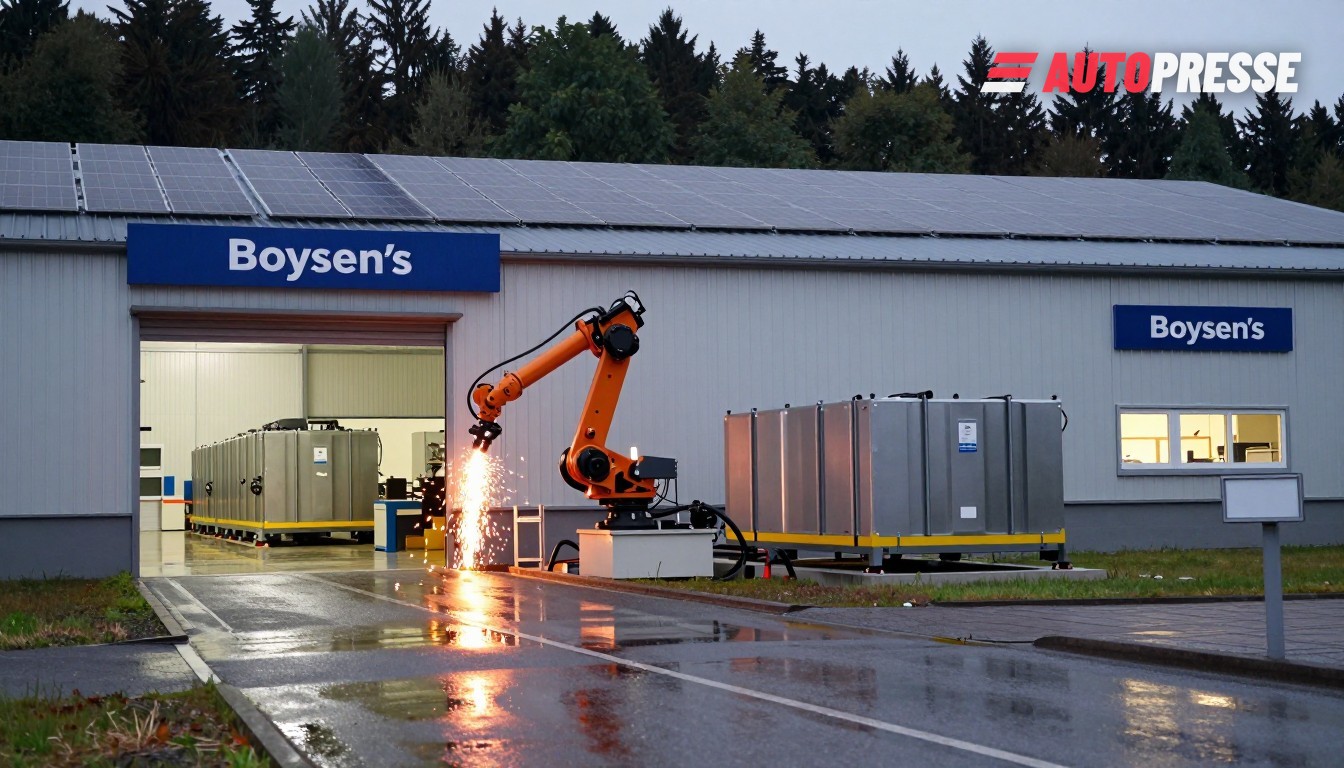
On 13 November 2026 Covestro and Fraunhofer UMSICHT published results from the CARBEX project that convert automotive shredder residue into basic aromatics (BTEX), describing a low‑carbon route to chemicals otherwise sourced from naphtha; Covestro’s release says the process can cut emissions “up to 40%” versus conventional steam‑cracking feedstocks. The project is framed as industrial‑scale proof that end‑of‑life vehicle streams can feed back into polymer and coating production.
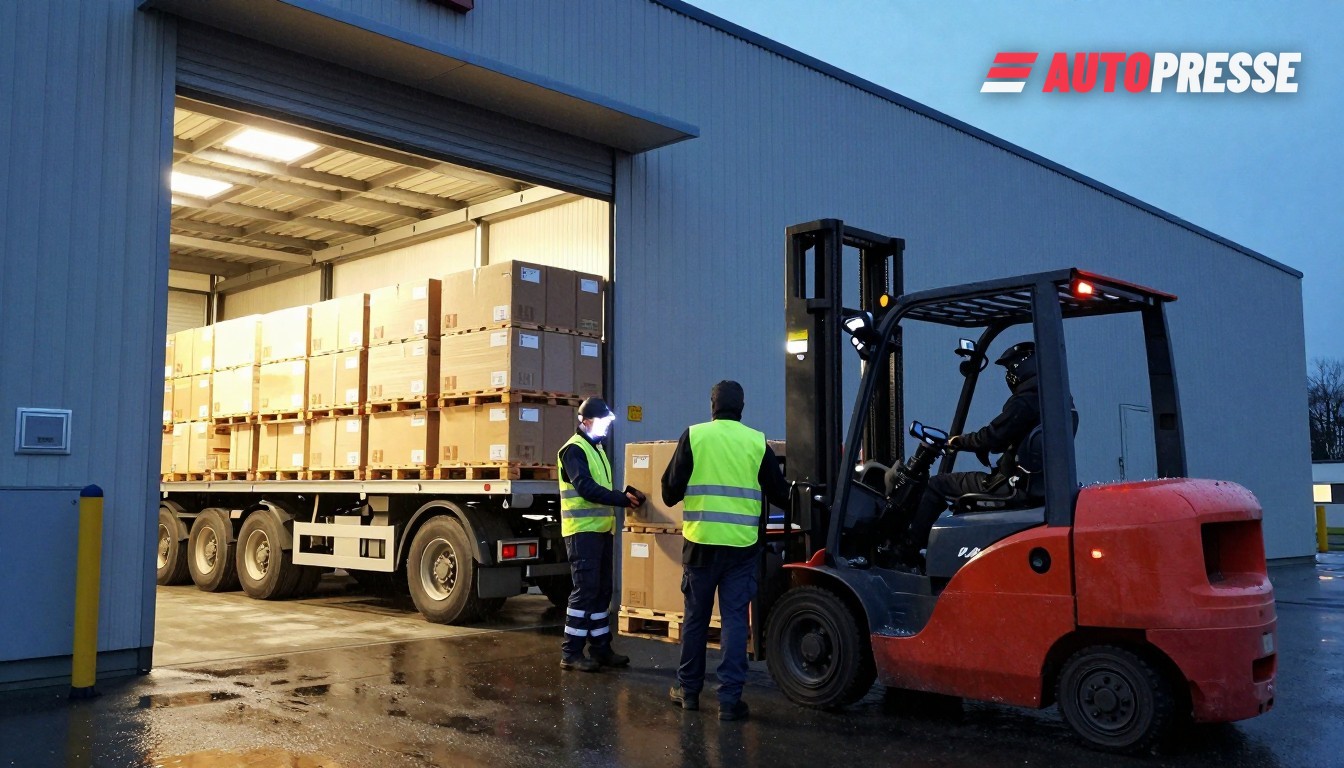
Closer to manufacturing, Covestro inaugurated an expanded production line at its Meppen (Emsland) site on 4 November 2026 to strengthen material supplies in Germany — a move the company describes as “multi‑million euro” capacity strengthening for performance coatings and related polymers. That line increases local capacity for polymer feedstocks used in automotive interiors and coatings.
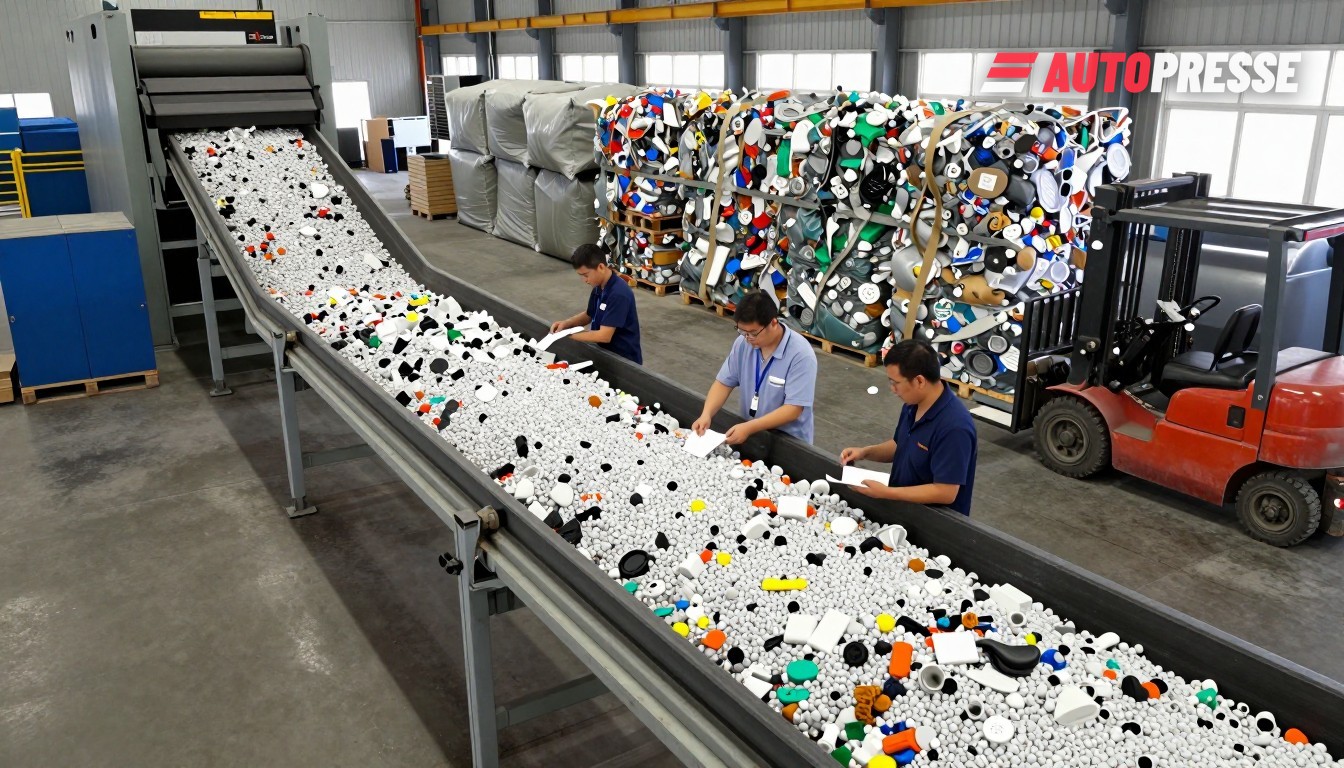
At the same time BASF has been pushing recycled high‑performance plastics into validated automotive use: on 16 October 2026 BASF highlighted pilot projects converting recycled PA6 (polyamide 6) into components, working with partners including Pöppelmann K‑TECH, ZF and Mercedes‑Benz to validate high‑stress parts from recycled feedstock. BASF also announced in late September 2026 a new Ultradur® RC1 grade based on post‑consumer recycled PET for automotive applications. These steps show polymers suppliers are closing the technical gap that once separated recycled resins from demanding under‑hood or structural parts.
What this means for the market
1) Lower import exposure: chemical recycling and local polymer lines reduce dependence on imported naphtha and virgin feedstocks, stabilising input costs for German and Austrian tier‑1 and tier‑2 suppliers.
2) Faster circular content adoption: validated PA6 and PET grades (BASF’s pilots and Covestro’s BTEX route) let OEMs and parts suppliers meet EU circularity and recycled‑content targets without sacrificing part performance. That eases certification and repair‑parts sourcing for dealers and workshops.
3) New supplier revenues and jobs: moves from chemical groups into automotive feedstocks create upstream jobs in Germany and Austria (production lines, pilot plants and material validation) even as some traditional manufacturing footprints are under pressure. Covestro’s Meppen expansion and BASF’s pilot validations are concrete examples.
4) Aftermarket and remanufacturing benefits: recycled‑content parts and closed‑loop polymers simplify the environmental case for refurbished components — a positive for workshops and insurers looking to cut lifecycle emissions.
Supply‑chain editors should watch three near‑term triggers: (a) scaling pilot outputs to consistent commercial volumes, (b) certification cycles for recycled grades in safety‑critical parts, and (c) regulatory incentives for chemical recycling vs mechanical recycling — each will determine how fast recycled polymers become mainstream in cars built or serviced in Germany and Austria.
WorldTrader24 B2B vehicle marketplace for traders →
Sources: Covestro, Fraunhofer UMSICHT, BASF, Pöppelmann K‑TECH.