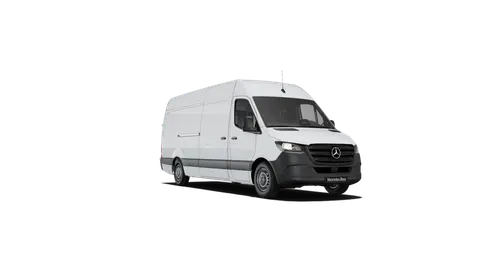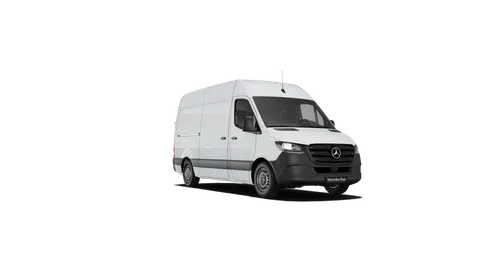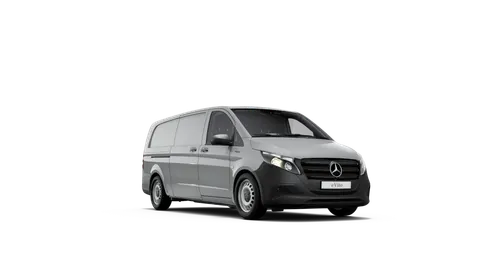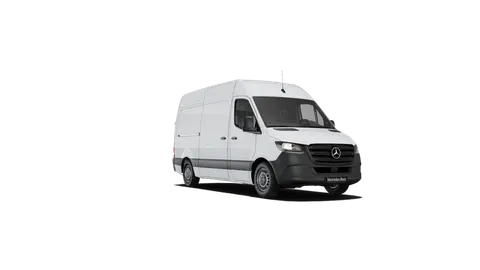
Germany and Austria now face a concentrated policy moment: Berlin’s detailed Klimaschutzprogramm (cabinet decision of 25 March 2026) identifies a large emissions shortfall in the transport sector and sets electrification and infrastructure expansion as central levers — while the EU’s Alternative Fuels Infrastructure Regulation (AFIR) review and national technical rules are tightening the technical and reporting timetable for public charging. For drivers, fleet buyers and workshops in both countries, the result is clear: faster charger roll‑out, stricter technical compliance and new market opportunities for installers, operators and fleet managers.
Germany’s climate gap and the electrification push
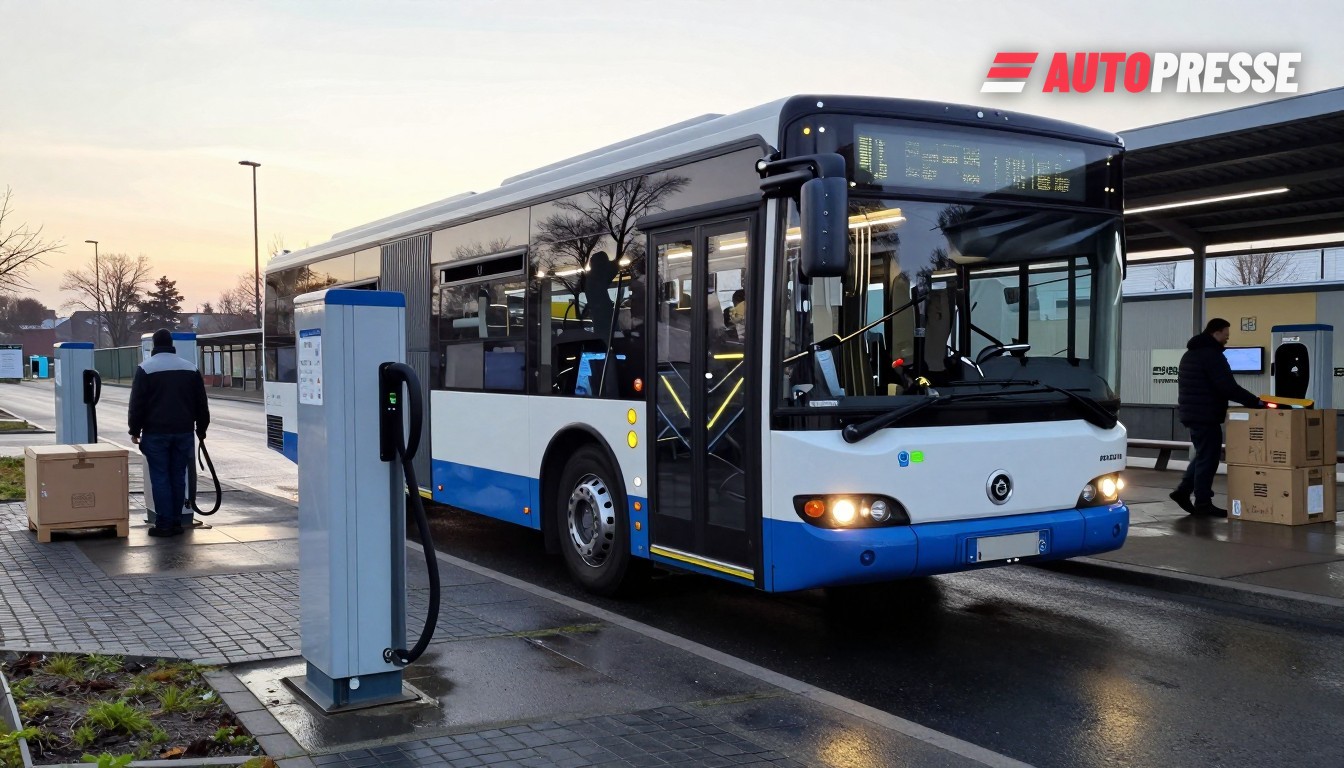
The German Klimaschutzprogramm 2026 — adopted by cabinet on 25 March 2026 — quantifies the challenge in the transport sector: the document reports a projected sectoral shortfall of about 169 million tonnes CO₂‑equivalent against the sector’s target. The programme therefore prioritises measures to accelerate the switch to zero‑emission vehicles and to expand publicly accessible charging infrastructure, and it explicitly lists public charging operators and electric fleets (ÖPNV, logistics and private fleets) among the main beneficiaries of planned measures.
That national push is colliding with precise EU deadlines. AFIR (Regulation (EU) 2023/1804) requires a Commission review and an assessment of national plans by the end of 2026; the European Parliament Research Service updated its implementation appraisal on 10 November 2026 and underlines that the AFIR review will examine Member States’ national policy frameworks, grid readiness and the user‑friendliness of roll‑out. Member States therefore must reconcile national ambitions with reporting and technical obligations at EU level. (research.europarl.europa.eu788154))
Technical rules and the nearterm compliance calendar
Germany’s national AFIR guidance (Nationale Leitstelle Ladeinfrastruktur) sets explicit technical cut‑offs: new or renewed DC fast chargers must comply with the EN IEC 62196‑3:2022 requirements (Combo‑2/CCS, “Ladebetriebsart 4”) from the stichtag 08 January 2026; existing DC points built before that date may continue under the earlier EN IEC 62196‑3:2014 standard until they are repaired or renewed. The same stichtag applies to updated AC requirements (EN IEC 62196‑2:2022) for mode‑3 charging. These concrete technical deadlines now shape procurement, installation and upgrade decisions across Germany and influence Austria’s interoperability planning via the shared EU framework.
Policy documents also tie infrastructure financing to the low‑emission transition: the German programme names fuel suppliers and related industries as obliged parties under certain measures and flags public charge‑point operators and electric vehicle fleets as direct beneficiaries of incentives and funding lines. That mix of obligations and targeted support is intended to unlock both private and public investment across the value chain.
What this means for the market
Short term (months): installers, operators and site owners must prioritise compliance checks and upgrades where chargers were specified to older standards — the 08‑Jan‑2026 technical cut‑offs mean procurement decisions already made must be rechecked. Fleet managers and logistics operators should expect clearer reporting requirements tied to national AFIR reporting and possible Commission recommendations if national plans are judged insufficient by end‑2026.
Medium term (1–3 years): increased public funding and legally tighter planning are likely to stimulate demand for high‑power DC sites, grid‑connection services and managed‑charging solutions. Companies that supply interoperable hardware, grid‑smart charging software and installation capacity are the immediate beneficiaries; local authorities and landlords who prepare sites will gain value from ‘charger‑ready’ assets. The Klimaschutzprogramm’s emphasis on preserving industrial jobs also links the policy to procurement and local supplier content in Germany.
Longer horizon: the AFIR review due by 31 December 2026 will shape whether technical obligations, price‑transparency rules and HDV/hydrogen targets are tightened. For Austria and Germany, alignment with EU reporting, grid planning and standards will determine how quickly electric fleets and public charging reach commercially sustainable scale. (research.europarl.europa.eu788154))
Sources: Bundesministerium für Umwelt (Klimaschutzprogramm 2026), European Parliament Research Service (AFIR briefing, 10 Nov 2026), Nationale Leitstelle Ladeinfrastruktur (AFIR technical data sheet, stichtag 08‑01‑2026)