Germany and Austria’s automotive supplier base is moving fast from volume parts to higher‑margin rails, energy and service businesses — a shift that drivers, dealers and local workforces will feel in the next 12–24 months. Recent weeks have seen cost‑cutting programmes, strategic acquisitions and rescue sales that together redraw who makes parts and where they are made.
Restructuring, R&D and rescue buys
Austrian lighting specialist ZKW this month launched a formal cost‑cutting programme while emphasising continued R&D in intelligent lighting — the company’s November 16, 2026 statement described measures to secure competitiveness in Austria as it pursues projects such as the FFG‑backed “Roadguard” demonstrator for AI‑based light warnings.
Across the German speaking market strategic buyers have been active. Autoneum announced a planned acquisition of France’s Trèves Group on Nov. 2, 2026; Autoneum says the deal will produce a combined pro‑forma business above CHF 2.9 billion in 2026 and is expected to be accretive from 2028. The transaction underlines how established tier‑1s are using M&A to secure capabilities (acoustics, thermal management) rather than building greenfield plants.
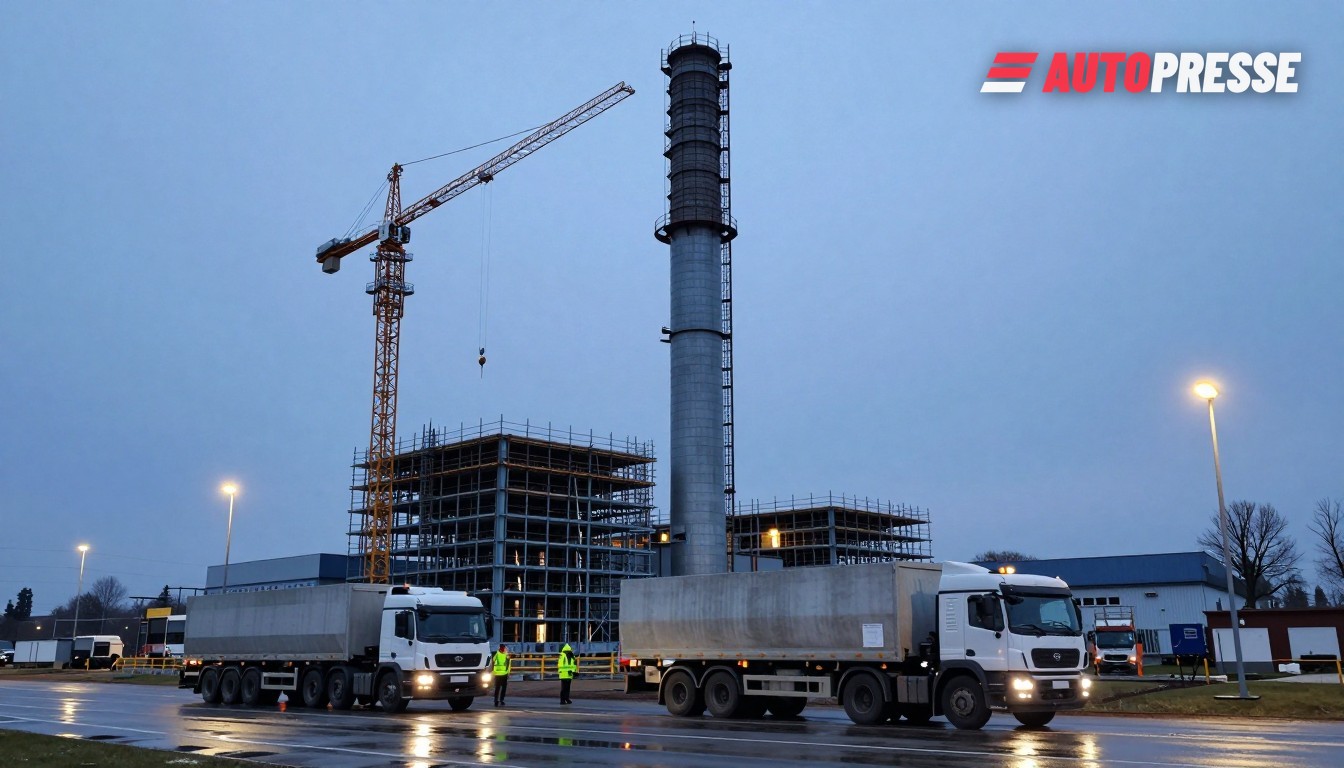
Not all outcomes were buyer‑led: insolvency administrators sold WKW’s German operations on Nov. 5, 2026 to a unit of Rea Automotive; the deal preserves production at Wuppertal, Velbert and Sprockhövel and transfers roughly 1,050 jobs while the company continues to restructure other European sites. The sale is an example of rescue buyers stepping in where OEM demand has collapsed or migrated.
Where suppliers are investing instead of chasing volumes
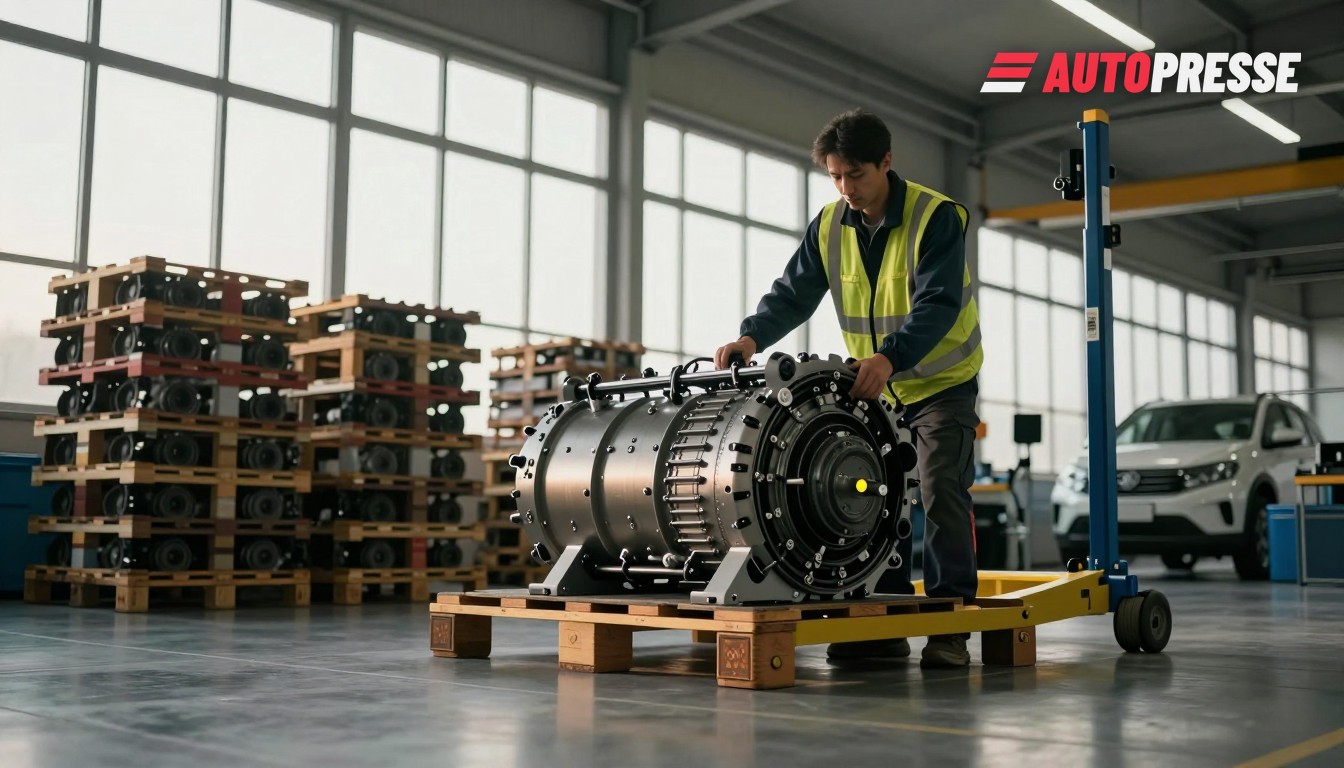
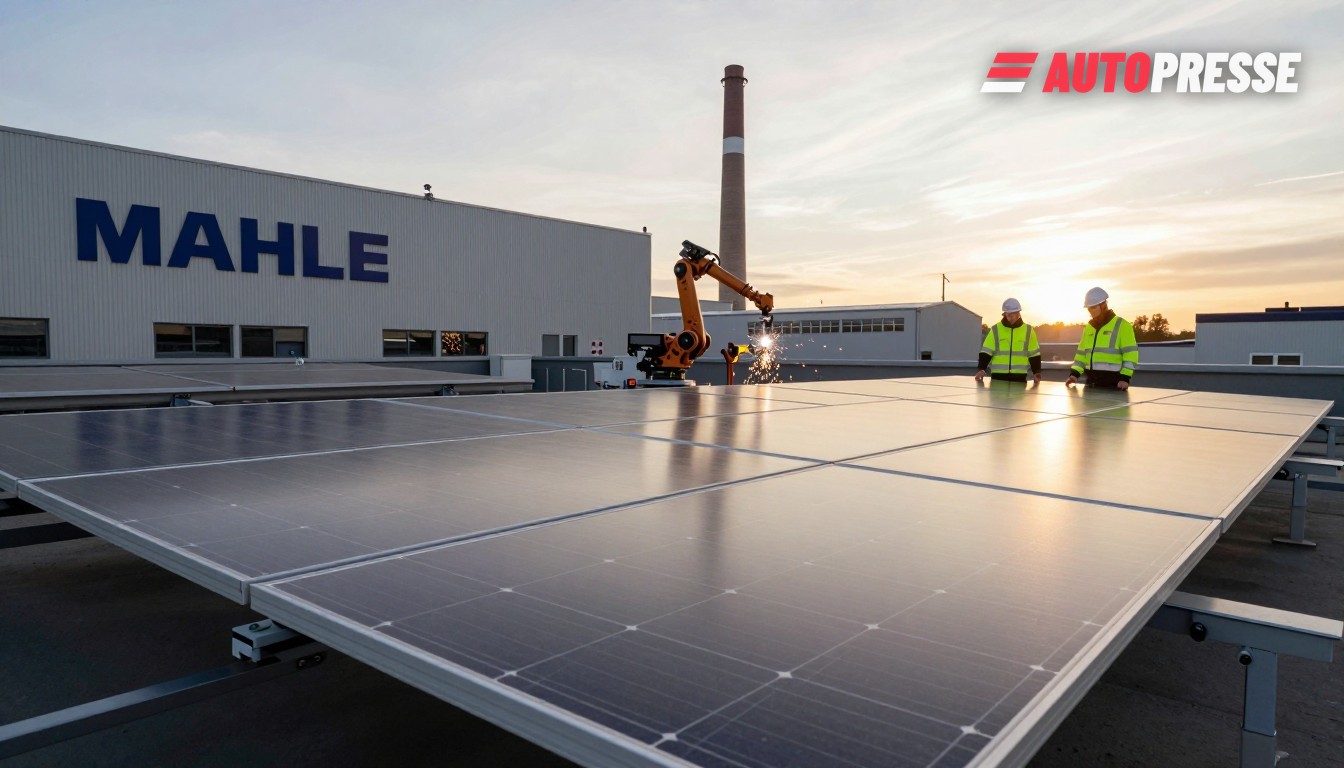
Some suppliers are re‑allocating capex toward energy and system projects. MAHLE has been rolling out large renewable and thermal projects — the company this year commissioned a major photovoltaic‑thermal (PVT) installation in Germany and has moved battery cooling‑plate production to series lines abroad as it retools capacity for electrification and industrial customers. These moves show suppliers hedging auto demand with industrial and stationary energy markets.
Meanwhile system and rail specialists are capturing more supplier spend. Knorr‑Bremse’s recent trade and supplier events and its Q3 statements highlight growing orders and supplier partnerships outside passenger cars — the group says it continues to win digitalised rail and commercial vehicle contracts and has increased supplier engagement in China and Europe during 2026. That demand helps stabilise margins for firms willing to retool for safety, brake‑by‑wire and electrified traction systems.
What this means for the market
The near‑term result is twofold. First, mid‑tier consolidation and rescue sales (Autoneum/Trèves, WKW’s German sale) will concentrate specialised capacity in fewer hands and shorten OEM supplier lists — dealers and workshops should expect more centralised spare‑parts flows and longer qualification lead times for niche components.
Second, suppliers that keep R&D and pivot to rail, energy or industrial services (ZKW’s AI lighting work, MAHLE’s PVT and cooling‑plate lines) will create new local opportunities — in automation, software and service contracts — even as traditional stamping and low‑margin assembly shrink. For employees and regional economies this means job losses in some plants but new apprenticeship and upskilling demand in electrification and systems engineering.
For buyers — OEMs, fleets and dealers — the message is clear: expect tighter sourcing windows for commodity parts, broader supplier partnerships for system‑level products, and faster procurement of engineering services as suppliers chase higher‑margin, more stable revenues.
B2B vehicle listings for dealers on WorldTrader24 →
Sources: ZKW, Autoneum, Dr. Beck (WKW administrator), Knorr‑Bremse, MAHLE