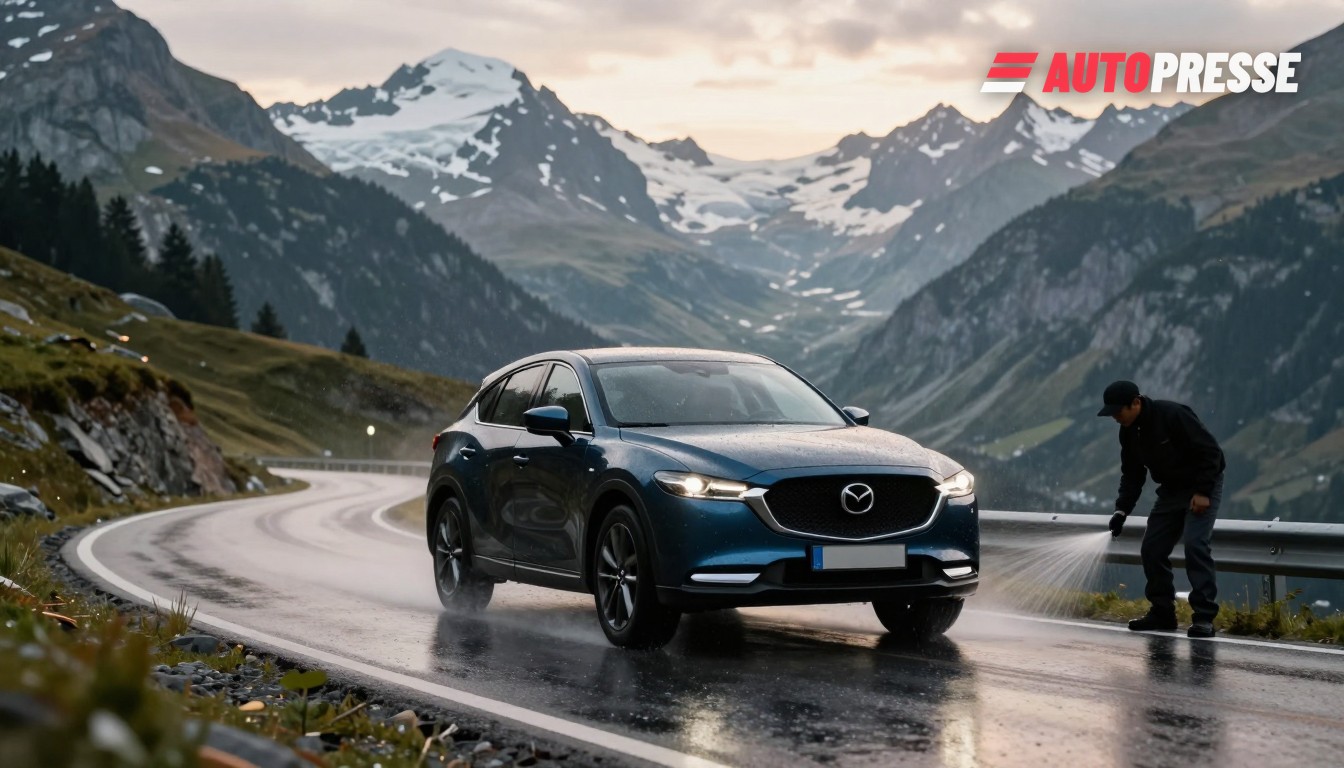
The new TÜV‑Report 2027, which evaluates more than nine million main inspections (HU) conducted between 1 July 2025 and 30 June 2026, delivers a clear message to drivers in Germany and Austria: conventional quality remains strong, but some electric models show worrying fault rates that will matter for owners, dealers and insurers.
Winners and losers: numbers that bite
At model level the Mazda CX‑60 leads the ranking of 2–3 year‑old cars with an average share of "erhebliche Mängel" (significant defects) of just 2.3% after roughly 45,000 km — enough to make it overall winner of the TÜV‑Report 2027.
At the other end, Tesla features prominently among the weakest results: the Tesla Model Y posts an 18.5% rate of significant defects (average mileage reported ~58,000 km) and the Tesla Model 3 shows a sharp rise in defect rates across successive HUs — 12.5% at the first HU, 21.1% at the second and 27.9% at the third — signalling growing issues with older examples.
The TÜV editorial desk evaluated about 9.7 million HUs for the report and finds that the nationwide share of vehicles with significant or dangerous defects remains high: on average 20.9% of cars fail with at least one significant defect — a small improvement of 0.6 percentage points versus the previous year but still affecting about two million vehicles.
Trends across brands and powertrains
In the brand comparison for long‑term quality Mercedes ranks best (average defect quota 18.0%), followed by Toyota (18.7%) and Audi (19.6%). The report also includes more electric models than ever before (26 two‑ to three‑year‑old EV models), with results varying widely between strong older EVs and struggling examples.
Commentators note that some EVs — notably a few premium and older models — still achieve very low defect rates, while other battery cars and certain new‑entry brands show disproportionately high fault rates at relatively low mileages.
What this means for the market
For owners and buyers in Germany and Austria the TÜV data underlines the value of model‑specific research when buying used cars: a Mazda CX‑60 or well‑proven e‑model can be a lower‑risk purchase than an apparently cheaper EV with a weak HU track record. Dealers should expect tighter buyer scrutiny and demand clear maintenance histories, especially for Tesla and other models that rank low in the report.
Insurers and fleet managers will also take note. Higher rates of significant defects — frequently linked to electrical systems, ADAS and batteries in recent reports — tend to push repair costs and claim complexity up. That can translate to higher premiums or stricter underwriting for certain models and age bands, and it will increase the importance of standardized battery SOH checks and documented software/OTA maintenance in pricing.
Finally, policy and workshop capacity matter: with every fifth car showing significant faults at the HU, the sector faces continued demand for competent repair shops and clearer diagnostics for electrified drivetrains — a point the TÜV‑Report authors explicitly raise as a policy challenge.
Electric cars listings on WorldTrader24 →
Sources: TÜV‑Verband, TÜV SÜD, ADAC, T‑Online, Motor1