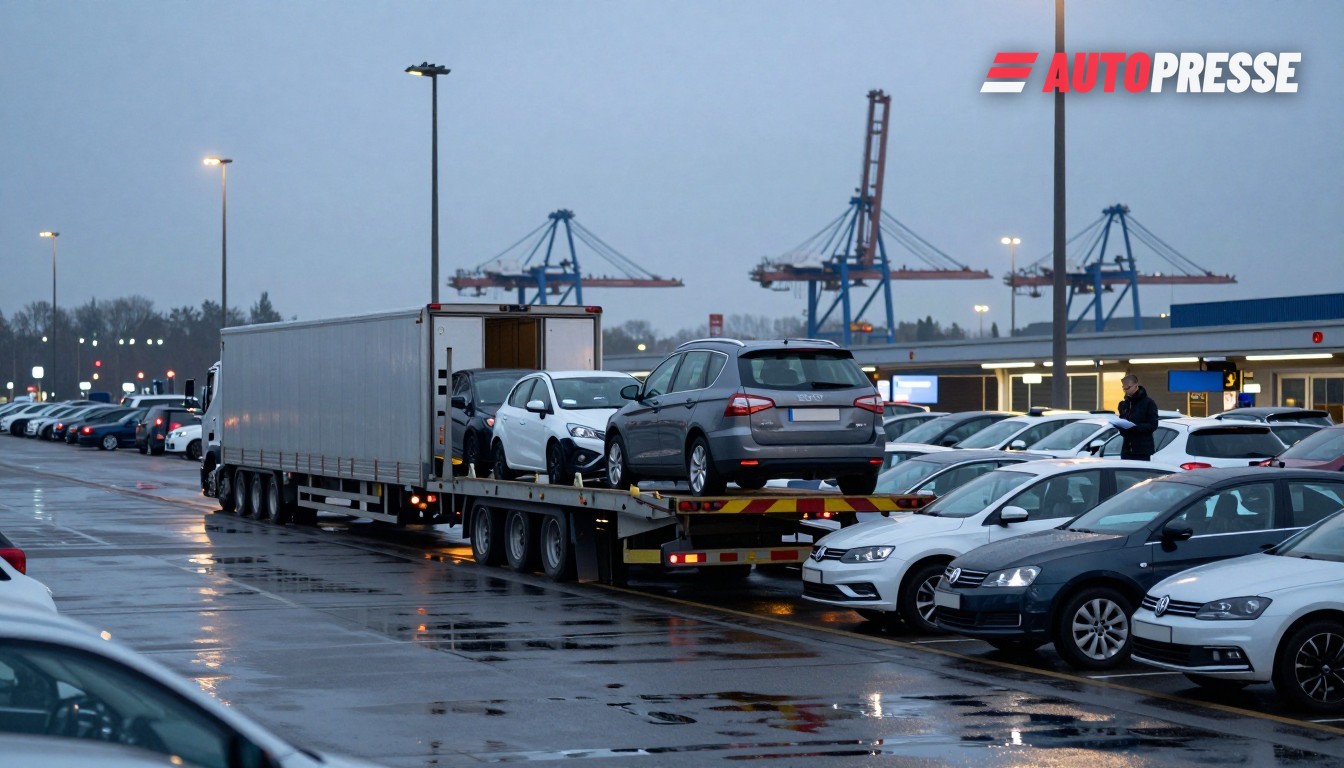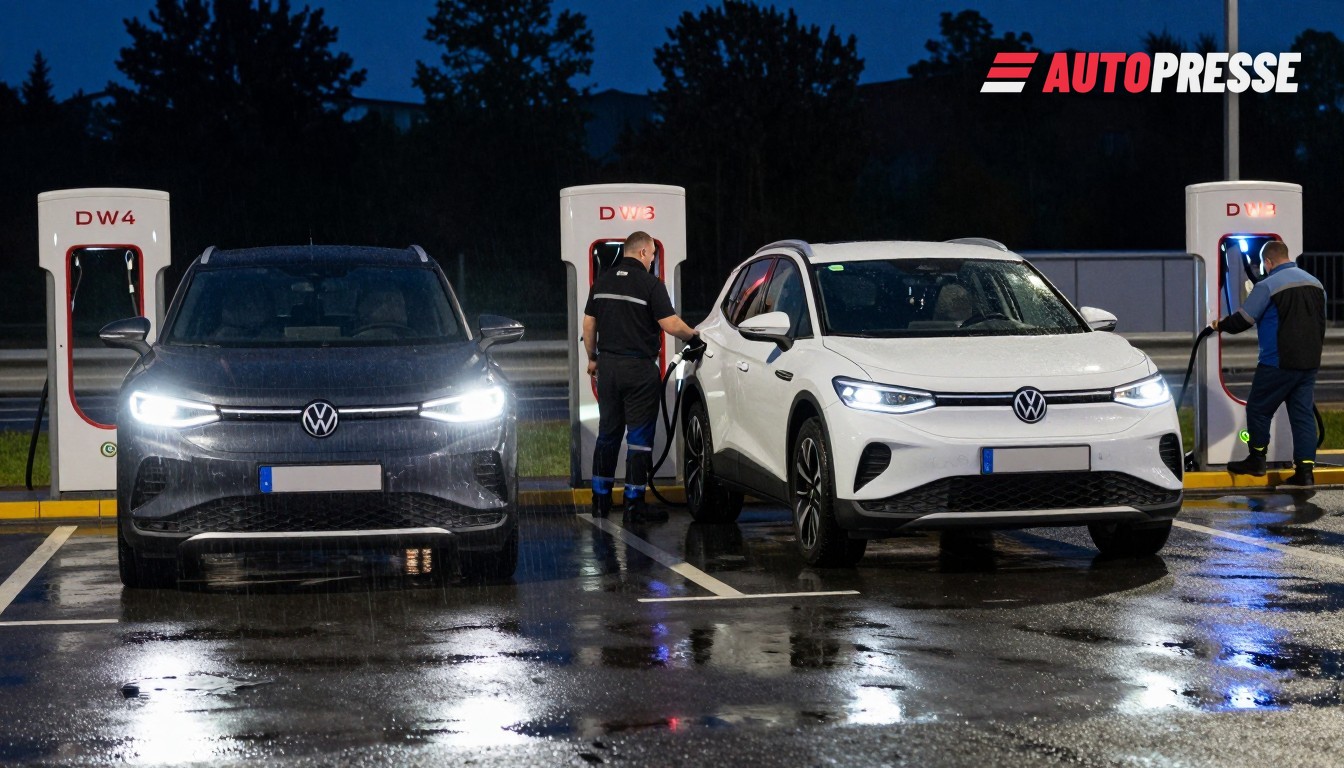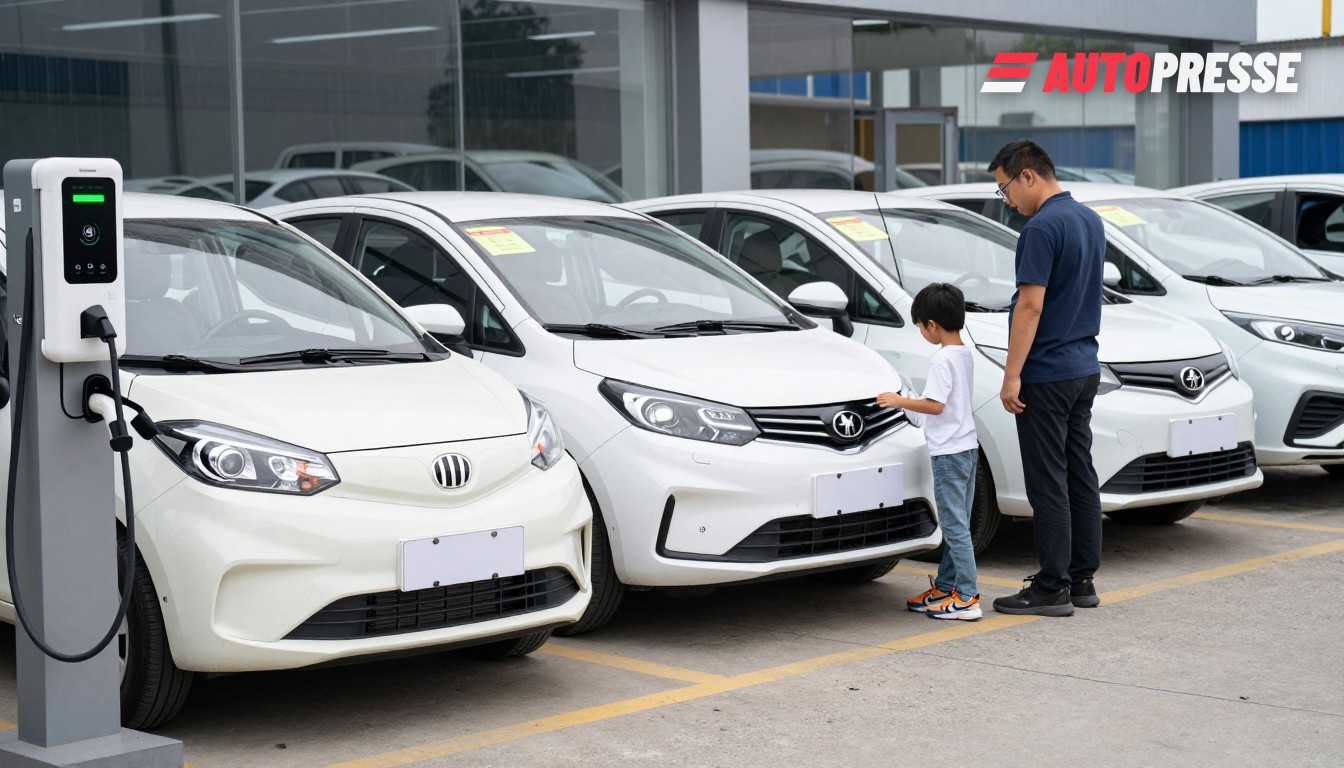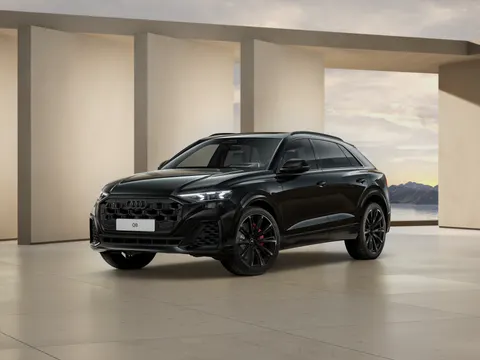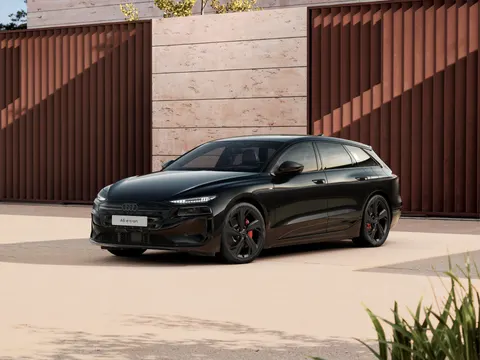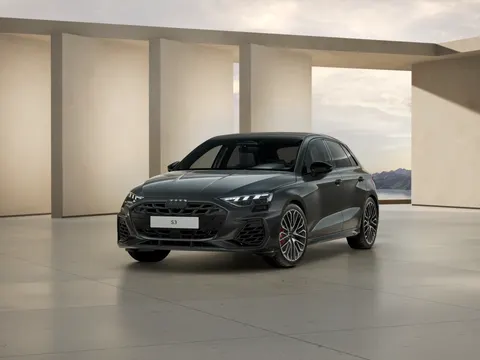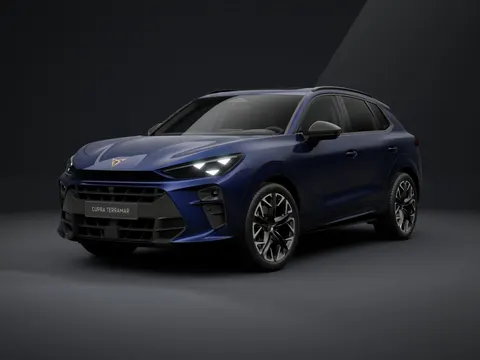
Germany has moved to reassure buyers, dealers and manufacturers after a surge of applications for the new electric‑car purchase scheme: the federal government insists the €3 billion fund for private EV subsidies will remain available even as demand climbs. Environment Minister Carsten Schneider told Auto Motor und Sport that buyers who meet the conditions “need not worry” the money will run out next year and that the pot is intended to cover vehicles registered under the programme through 2029.
Why the government is under pressure
Launched for cars first registered from 1 January 2026, the means‑tested scheme pays a base of €3,000 for battery electric vehicles with larger top‑ups for lower‑income households and families — up to a €6,000 maximum. The federal ministry and independent analysts say the envelope was sized to support roughly 800,000 subsidised cars for the 2026–2029 period, but the programme’s rapid take‑up has put political and market attention on whether the money could be exhausted earlier than planned.
Officials point to two reassurances. First, Minister Schneider told the magazine that, based on current application rates, “there is enough money for 2027” and authorities will notify the public in good time if the trajectory changes. Second, Berlin says the scheme will be adapted in future to incorporate any EU‑level rules on local value‑added — but there are no immediate changes planned, including no blanket restriction on cars from Chinese manufacturers.
What this means for Germany and Austria
For German buyers and dealers, the message is short‑term stability: purchasers who satisfy the eligibility criteria can reasonably assume the subsidy will be available into 2027, easing purchase decisions and supporting sales volumes for domestic and international brands selling electrified models. The subsidy is already shifting brand dynamics: early application data show several mainstream and Chinese models among the most‑frequently approved vehicles.
Cross‑border effects matter for Austria. Austrian households and private buyers are not eligible to apply to the German federal scheme and must continue to rely on Austria’s national and regional support measures; nevertheless, Austrian dealers and buyers will watch price and demand shifts in Germany because competitive pricing and subsidies across the border can influence import flows, fleet orders and second‑hand values.
What this means for the market
Short term: the government’s public assurances should steady demand among private buyers in Germany and give dealers clearer visibility for stock and sales planning. That matters for assembly lines, component suppliers and charging operators who are already scaling capacity to match higher household interest. Medium term: if the fund is drawn down faster than expected, the government has signalled it will inform the market early — a late cut would risk a sharp slowdown in private purchases and complicate production planning across Germany and neighbouring markets, including Austria.
Electric vehicles listings on WorldTrader24 →
Sources: Bundesministerium für Umwelt (BMUKN), dpa / Süddeutsche Zeitung, n‑tv, LatestEVNews, electrive.net