October’s registration data show the German‑Austrian market moving at two speeds: private buyers are returning and reshaping which models and brands move off dealer lots, while corporate and fleet orders remain subdued. That split is already forcing dealers, logistics operators and manufacturers to rebalance stock, incentives and delivery plans across both countries.
Volume and who’s buying
Germany posted 254,492 new passenger‑car registrations in October 2026 — a small year‑on‑year rise but one that masks important structural shifts: private registrations rose sharply (+20.6% vs. October 2025) while business registrations fell (−8.2%). The monthly data also show Volkswagen holding the top manufacturer position in Germany (about 18.2% market share in October), followed by Mercedes and BMW. These figures come from the official registration release as reported by ADAC, which summarises the KBA’s October press release.
Across the border, Statistics Austria’s provisional figures through September show a continued high share of alternative‑drive vehicles and strong year‑to‑date delivery volumes. Between January and September 2026 Austria recorded 241,108 new passenger‑car registrations; electric and hybrid drivetrains make up a large portion of the recent growth, and September itself was a strong month for electric models. Those trends are detailed in the Statistics Austria press release of 9 October 2026.
Supply, brands and imports
Import brands continue to expand their footprint in the German market: industry analysts note international manufacturers contributed disproportionally to October’s growth, underlining how supply and dealer allocation now favour non‑domestic brands in certain segments. The Association of International Motor Vehicle Manufacturers (VDIK) analysis of KBA data highlights this shift, which is reflected in manufacturers’ inventory and allocation strategies for the winter selling season.
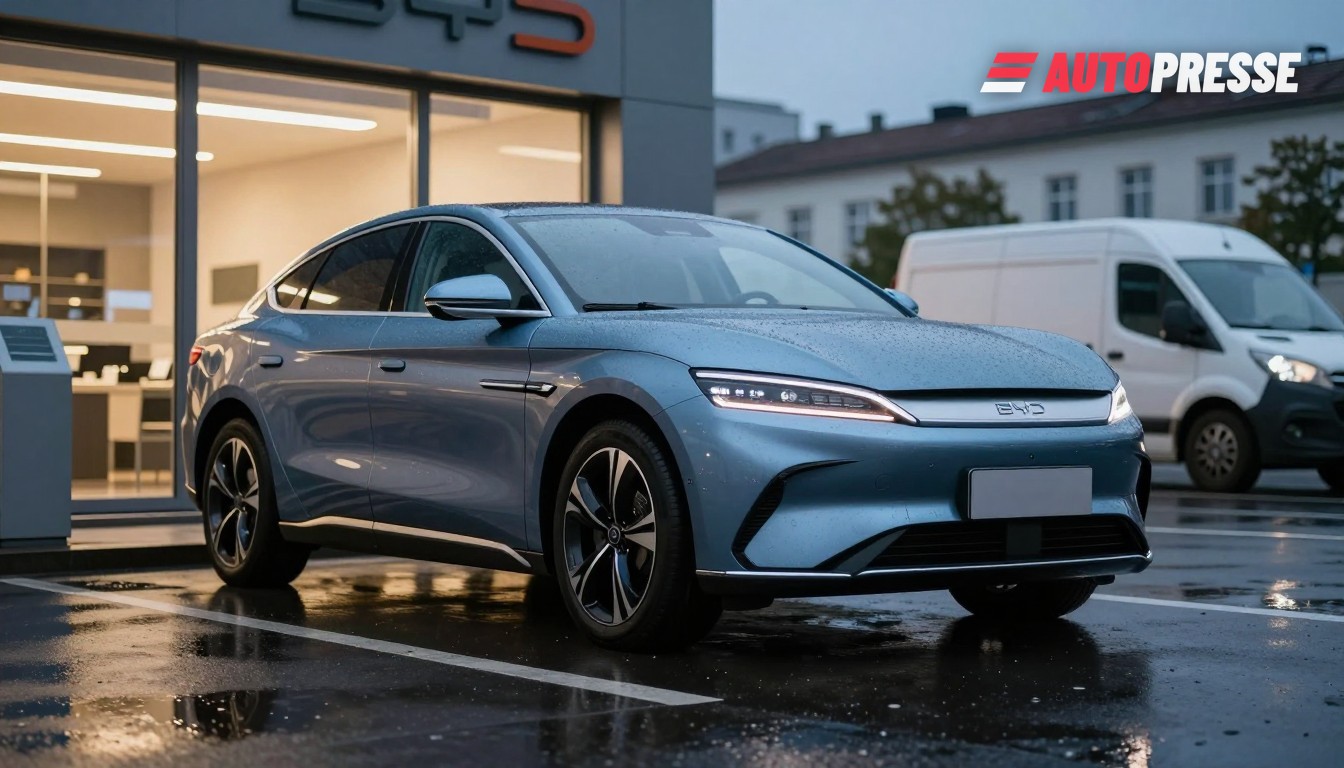
For dealers the practical result is variable stock turns: models aimed at private buyers (popular compact EVs, small SUVs and well‑equipped hybrids) are moving faster, while many conventional fleet‑oriented variants remain on the forecourt longer. That dynamic is already squeezing working capital for some dealer groups and increasing pressure to offer targeted retail incentives rather than fleet discounts. Market platforms and remarketing channels are being used more aggressively to rebalance inventory.
What this means for the market
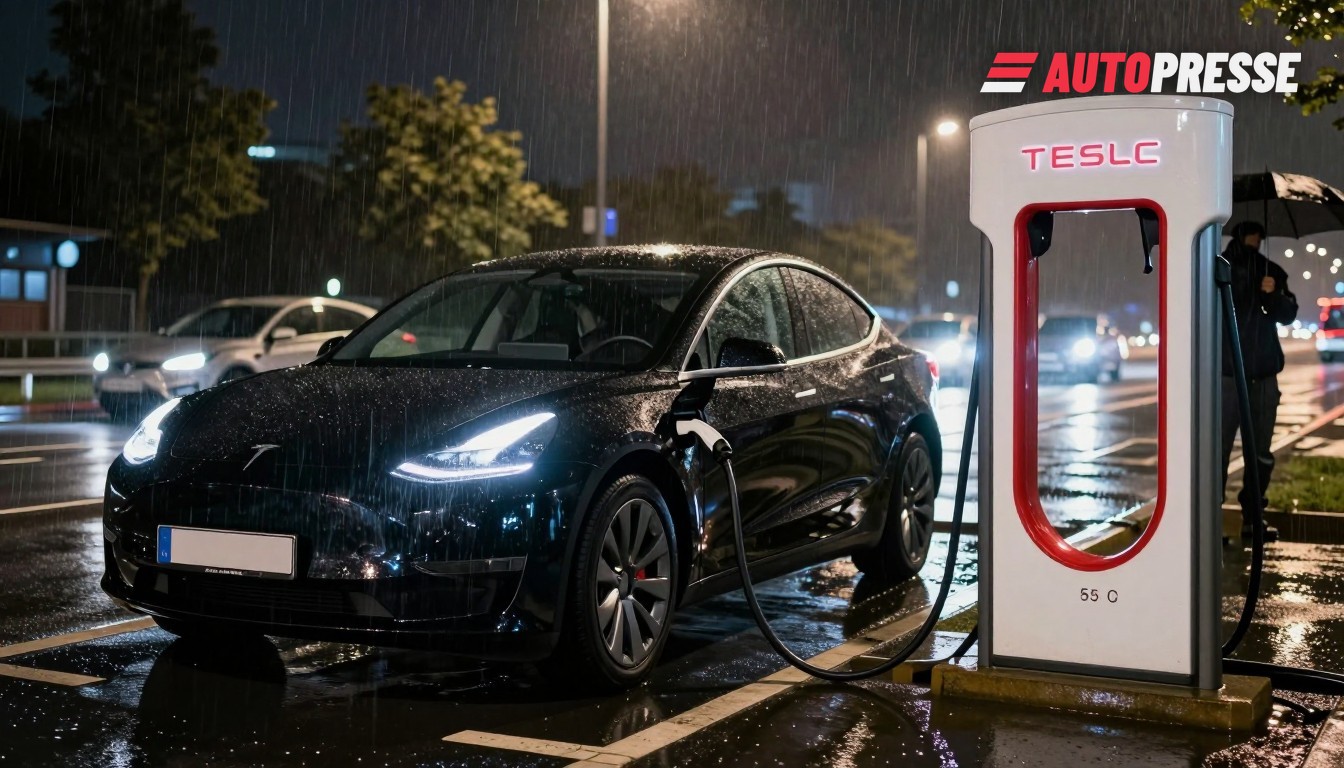
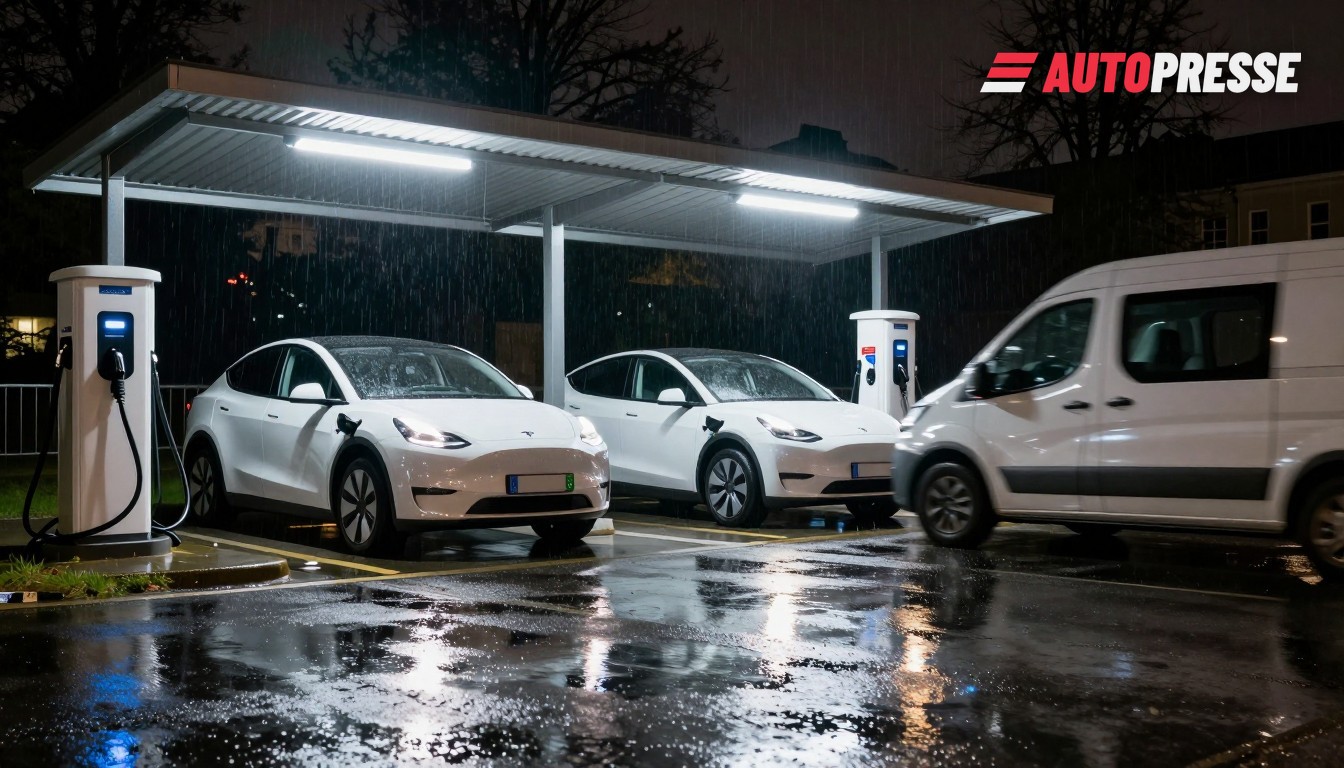
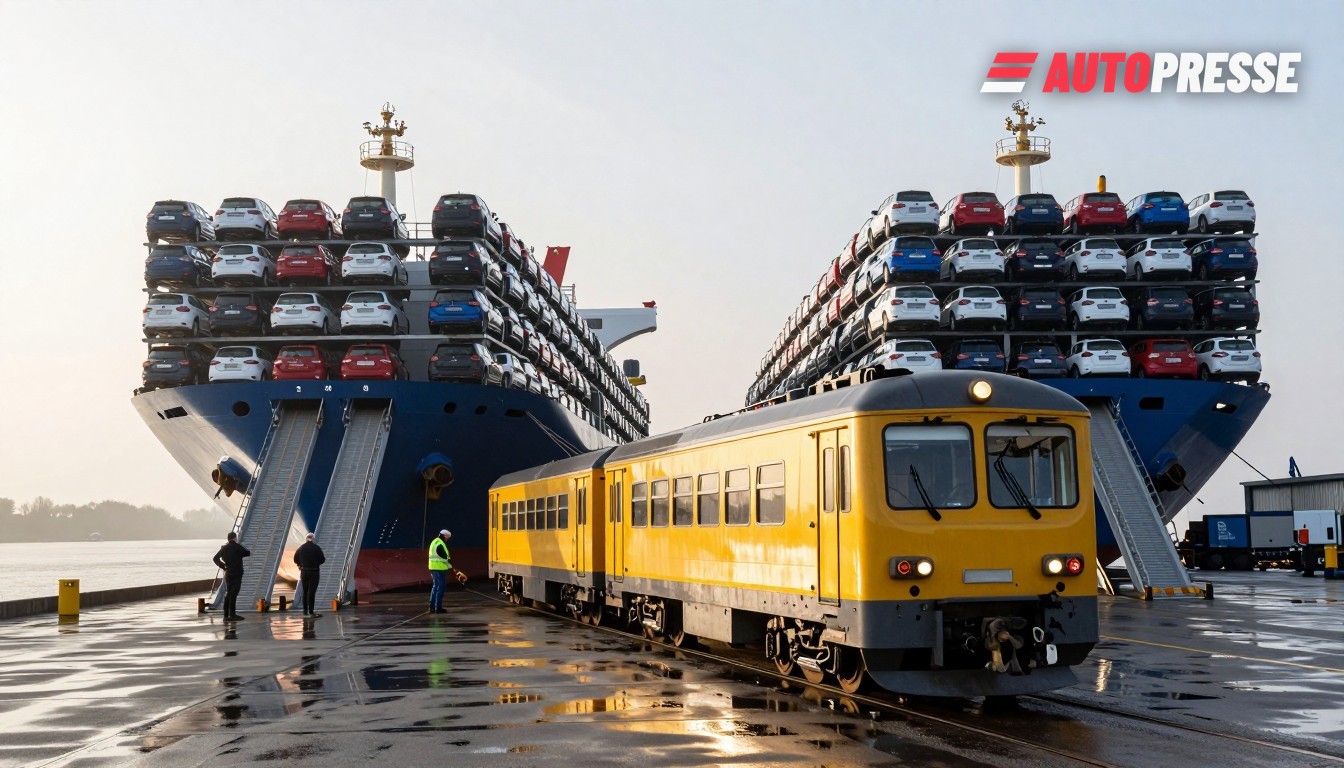
1) Pricing and incentives will diverge: Expect stronger retail rebates on private‑targeted options (trim upgrades, battery/charging packages) even as fleet pricing remains under pressure. 2) Logistics and import terminals must adapt: variable delivery flows mean ports and rail links will need more flexible loading plans to avoid bottlenecks. 3) Aftermarket and service workloads will shift toward electrified powertrains as the privately owned share of EVs increases — training and parts stocking are immediate needs for workshops and insurers.
For buyers the takeaway is straightforward: private demand is restoring choice and negotiation leverage on certain EV and hybrid models, while companies renewing fleets should expect tighter deals on established ICE and standardised‑fleet variants. For dealers and OEMs the challenge is operational: align allocations, finance and used‑car channels quickly or risk longer stock cycles and margin erosion.
Electric cars listings on WorldTrader24 →
Sources: ADAC (summary of KBA October 4, 2026 release), Statistics Austria (press release 09.10.2026), VDIK analysis of KBA data.