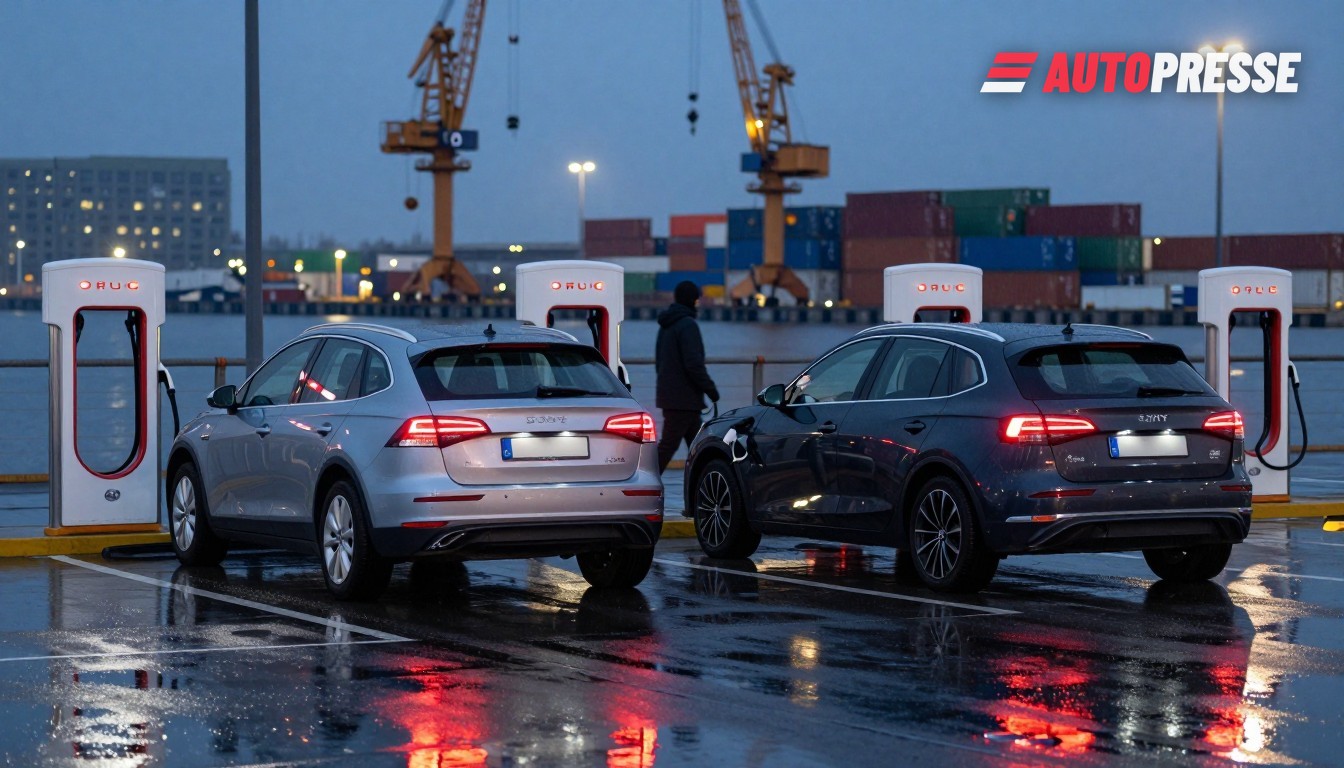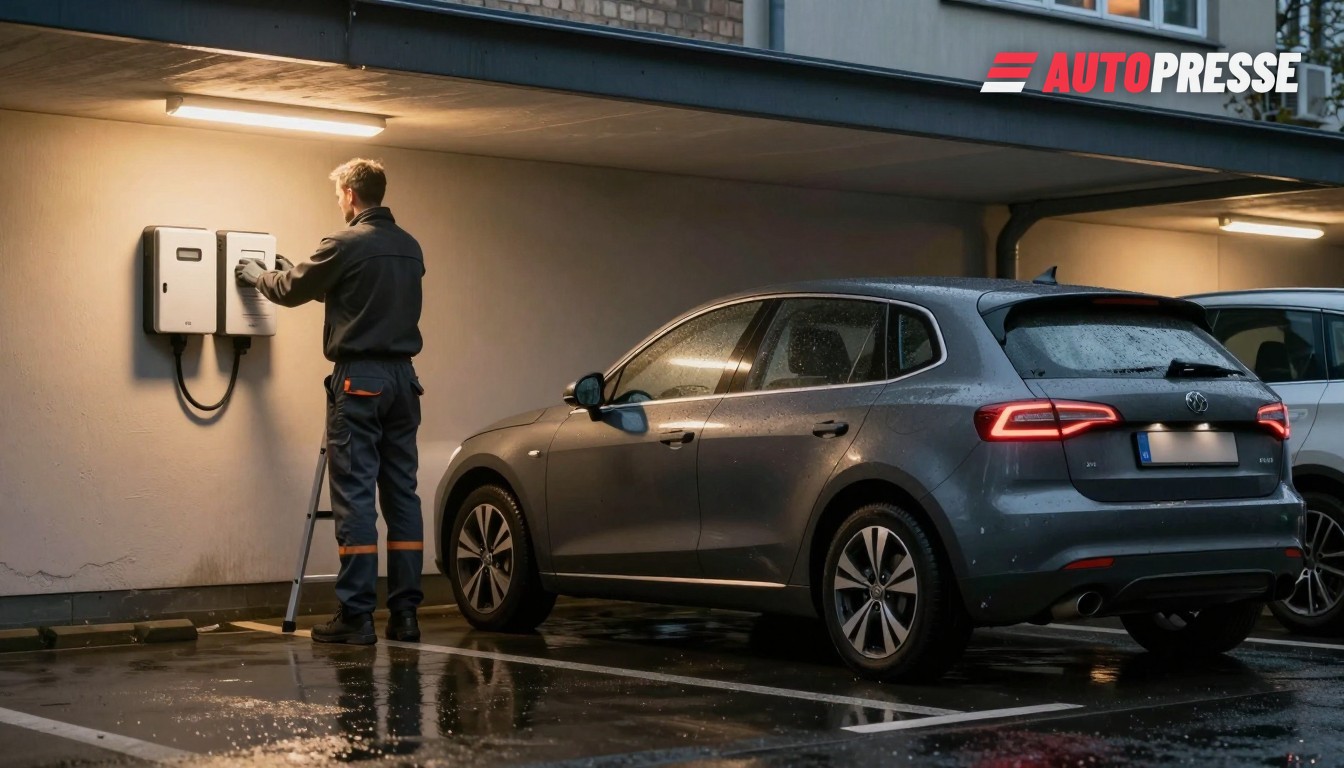
Many Germans searching for a "rebate for EV charger" will find the federal programme that paid for wallboxes in apartment buildings has now closed — the 500‑million‑euro scheme for charging infrastructure in and at multi‑family homes ended on 10 November 2026. That matters for drivers who expected a state top‑up, for landlords and housing associations arranging installations, and for dealers, electricians and installers planning workloads and orders.
How the federal rebate worked and why it closed
The Bundesministerium für Verkehr (BMV) designed the programme to jump‑start charging inside apartment buildings by subsidising both pre‑cabling and installed wallboxes. The scheme carried a total budget of €500 million and allowed grants of up to €1,300 per parking space for pre‑cabling, up to €1,500 when a wallbox was installed, and up to €2,000 where a bidirectional (V2G‑capable) charger was provided. Applications were accepted until 10 November 2026.
Demand outstripped expectations: by 4 November the government had already received about 21,400 applications and issued commitments equivalent to roughly €310 million, and parts of the WEG (owner‑association) window were closed earlier when budget tranches were exhausted. The ministry confirmed different application tracks for homeowner associations, small and medium enterprises and large housing companies.
Who still has options — and what buyers should know
Private homeowners should note there is currently no KfW national subsidy for wallboxes like the old "Solarstrom for electric cars" package; the federal aid in 2026 specifically targeted multi‑family dwellings rather than single‑family house owners. However, some federal states and municipalities continue to run their own local grants, and consumer advisers recommend checking regional schemes before booking an installation. For example, several Austrian Länder continue to list small grants for wallboxes (in Styria, regional aid of around €300 per unit has been available in 2026 programmes).
What this means for the market
The closure reshuffles near‑term demand for installers and component suppliers: housing associations and larger landlords that secured funding will drive installations in the next 12–24 months, but installers who had counted on a wider homeowner market may face a fall in private wallbox orders unless local subsidies fill the gap. Dealers and workshops should flag financing and local grants to customers, and fleet operators must plan internal charging rollout without assuming a federal rebate is available. The sudden end to the application window also creates short‑term pressure on electricians and wholesalers to complete contracted jobs within the programme’s compliance deadlines.
Electric vehicle listings on WorldTrader24 →
Sources: electrive.net, Federal Ministry for Transport (BMV), ADAC, Finanztip, net‑eb