WorldTrader24 is a Europe‑facing B2B vehicle marketplace aimed at dealers, leasing companies and professional resellers — not private buyers — and is run from Germany under the name Zweigniederlassung Worldtrader24 – Global Car Network (A. Scholz), registered in Höhenkirchen. The platform publishes tens of thousands of listings and promotes ‘net partner prices’ for professional buyers, but that business model brings cross‑border tax and registration traps for buyers in Germany and Austria.
How the marketplace actually works
WorldTrader24 aggregates EU stock — EU new cars, Tageszulassungen, dealer‑stock and order vehicles — and presents them to pre‑verified B2B partners after a free registration and verification step. The operator states a live inventory in the tens of thousands (the site lists c.37,587 vehicles with c.24,551 immediately available at the time of publication). Buyers search, request a reservation or send an inquiry, then conclude purchase contracts directly with suppliers or via platform processes.
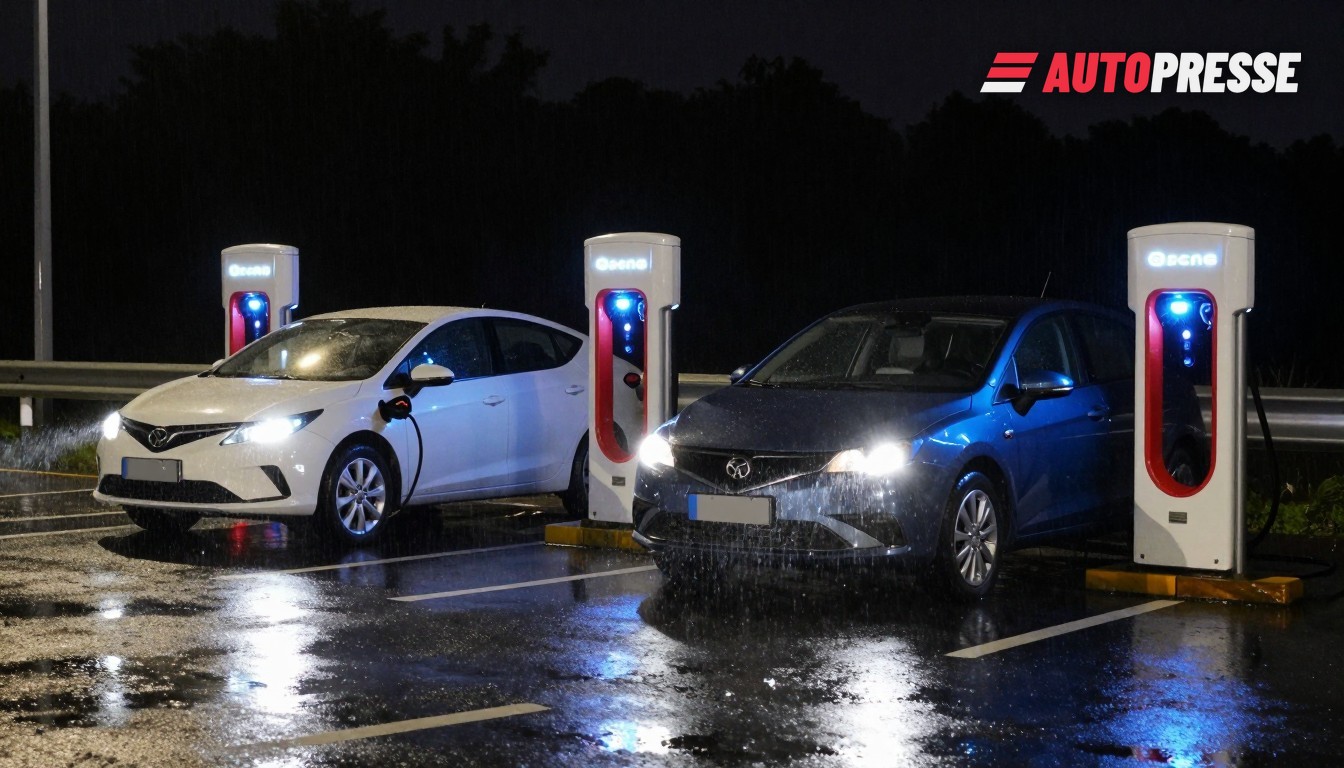
The platform is multilingual and increasingly automated: WorldTrader24 publishes multilingual news and says its stock is updated rapidly — the operator reports that large portions of inventory are refreshed within 24 hours — which helps traders secure fast configurations but can also create a race for availability. WorldTrader24 also discloses that some images and editorial visuals are AI‑generated, a useful publishing shortcut that raises authenticity checks for specific vehicle photos.
Key risks for buyers and sellers in Germany and Austria
1) Tax and registration burden (Austria’s NoVA). For Austrian buyers the Normverbrauchsabgabe (NoVA) is payable on first Austrian registration of a vehicle imported from another EU state; NoVA is calculated primarily from WLTP CO₂ and the net price, with exemptions for battery‑electric vehicles and age‑reductions for used cars. That means an apparent net dealer price on a German listing can be materially altered by NoVA once the car arrives in Austria. Sellers and buyers must calculate NoVA before committing.
2) VAT and intra‑community rules. Cross‑border B2B vehicle trades are handled under EU/VAT rules: deliveries between EU taxpayers can be zero‑rated in the seller’s country but trigger an ‘innergemeinschaftlicher Erwerb’ (intra‑community acquisition) and local VAT charge for the buyer in the destination country. Documentation, valid VAT‑IDs and proper transport proofs are necessary to avoid unexpected tax bills or audits. Dealers must treat EU purchases as taxable acquisitions and follow national filing rules.
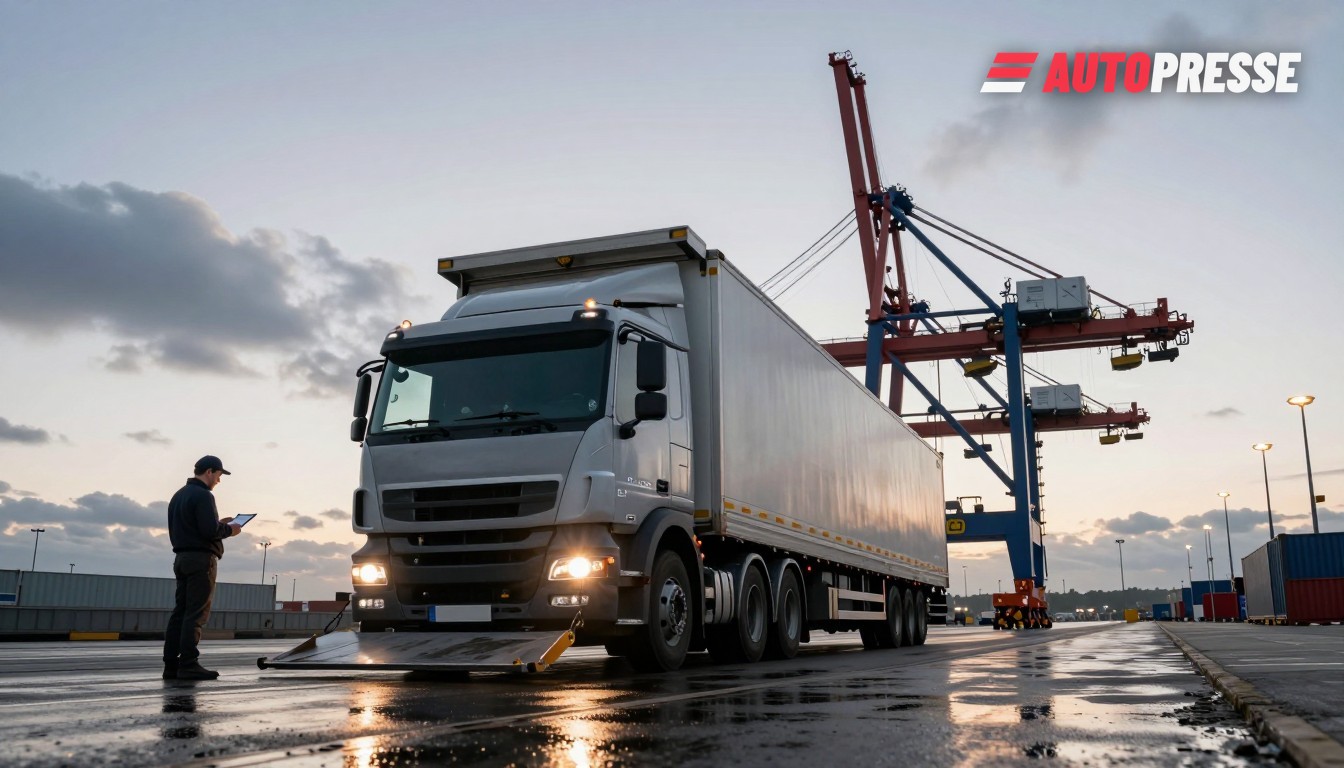
3) Availability, provenance and documentation. Fast updates help traders, but rapid churn means a listed vehicle can be reserved or sold before transport is organised; buyers must insist on clear contract clauses for availability, delivery windows, condition reports and COC / registration papers. The platform’s use of AI images and aggregated supplier data increases the need to verify odometer, damage history and title provenance from the seller before payment.
4) B2B status reduces consumer protections. Because WorldTrader24 is business‑only, transactions do not carry the same consumer rights and cooling‑off protections that private buyers enjoy; commercial buyers should use written contracts, confirm warranty terms and check whether supplier warranties are valid in the buyer’s country.
What this means for the market
For German and Austrian dealers the upside is clear: fast access to pan‑European configurations and partner prices can cut procurement time and margin pressure. The flip side is higher operational risk — tax, registration, proof of origin and availability mismatches — which shifts value from simple price arbitrage to the dealer who can manage paperwork, transport and verification efficiently. Platforms that combine live stock data with reliable document‑handling and clear contractual protections will win trust. WorldTrader24’s rapid updates and multilingual tools are useful, while its disclosure of AI imagery and its legal imprint make some vendor checks easier — but they do not replace due diligence by the commercial buyer.
If you trade on WorldTrader24 in Germany or Austria: verify the seller’s documents, pre‑calculate Austrian NoVA and local VAT exposure, insist on clear delivery and liability clauses, and treat AI imagery as indicative rather than conclusive. For now the platform is a powerful sourcing tool — but not a shortcut past legal and tax obligations.
WorldTrader24 B2B-Fahrzeugmarkt für Händler →
Sources: WorldTrader24, Autohaus Zwer, WKO, RIS (Austrian legal database), AutoPresse