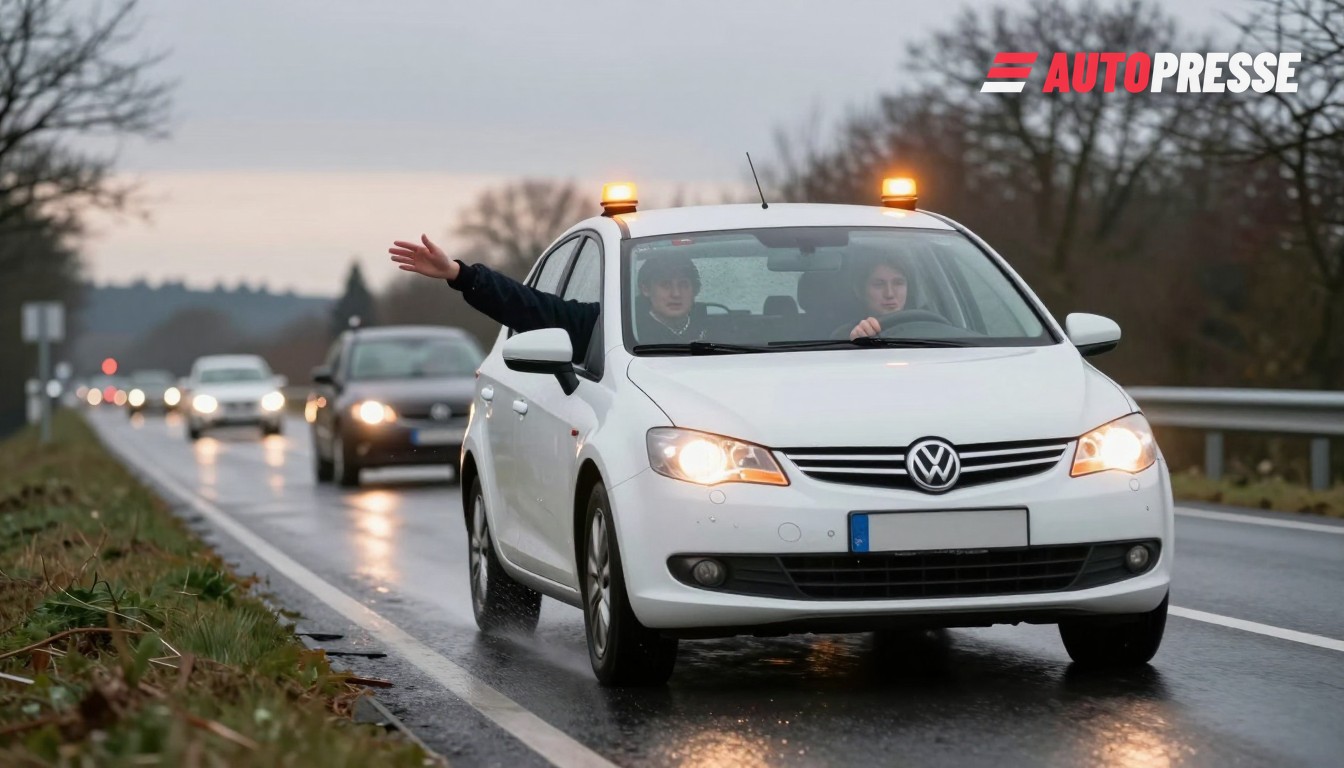
Germany has taken a major step to modernise how people learn to drive and prove their licence. The Bundestag approved changes to the Fahrlehrergesetz on 5 November 2026 and the Bundesrat gave final consent on 20 November 2026, starting a process that will bring digital licences, more flexible theory training and a trial for supervised driving practice under defined conditions. For drivers, buyers, dealers and driving‑school owners in both Germany and Austria the decisions change training, enforcement and cross‑border recognition over the next three years.
What the German law does
The law — formally "Gesetz zur Änderung des Fahrlehrergesetzes und anderer straßenverkehrsrechtlicher Gesetze" — was passed by the Bundestag on 5 November 2026 and agreed by the Bundesrat on 20 November 2026. It aims to reduce bureaucracy, expand digital options for theory lessons and create an experimental clause allowing supervised on‑road practice with a close relative or other "nahestehende Person" after the theory test; the detailed conditions will be set in a later Rechtsverordnung. The Bundesrat says most of the law will enter into force on 1 July 2027.
The package also mandates greater transparency and price comparison for driving schools via a national mobility database (the "Mobilithek"), adds a compulsory hospitation drive to improve safety checks for supervised practice, and tasks the federal government with preparing a national key number to allow holders of class B to tow heavier trailers up to five tonnes within Germany. These changes reflect explicit votes and amendments recorded in parliamentary papers.
EU timelines and the Austria angle
Separately, the new EU driving‑licence directive (Directive (EU) 2025/2205) sets a multi‑year timetable for mobile (digital) driving licences and other harmonised changes. The directive requires implementing acts and staged national roll‑out, with key implementation steps stretching to 2029–2030 for the uniform EU mobile licence format. Member states therefore must adapt national law to the EU schedule.
Austria will therefore follow the EU timetable and national administrations are already preparing; Austrian industry bodies note the directive phases and expect stepwise implementation for mobile licences, accompanied driving and updated medical checks through 2027–2029. That means cross‑border recognition of mobile licences will remain limited until the EU standard is deployed.
On the national rollout timetable Germany planned to make a digital driving licence available in late November 2026, but the federal ministry has since said practical activation may slip toward mid‑December as final integration with the KBA app is completed. Drivers should therefore still carry their physical card when travelling abroad.
What this means for the market
Driving schools: the reform aims to lower costs by allowing digital theory and greater flexibility — but it shifts risk and work to instructors who must certify supervised practice and run mandatory hospitation drives. The legal change will create demand for e‑learning platforms, booking and compliance software and new training packages.
Dealers and fleets: a more flexible, faster path to licences could modestly speed younger drivers into car ownership and fleet pools; at the same time EU harmonisation of mobile licences and the trailer key code may affect how dealers advise buyers about cross‑border use. Roughly 20–25% of new cars in Germany are company vehicles — changes in licence rules and digital checks will alter fleet driver onboarding.
Insurers & used‑car market: clearer digital records and a centralised mobility register will make risk profiling and accident histories easier to verify, but the shift raises immediate compliance costs for small driving schools and regional actors, especially in rural Austria where digital identity adoption lags.
Timing: the law’s core parts are set to apply from 1 July 2027 in Germany; member‑state deadlines under the EU directive extend into 2029–2030 for full EU interoperability. Businesses and training providers should plan now for software updates, data‑privacy checks and new instructor training.
Sources: Deutscher Bundestag, Bundesrat, EUR‑Lex, ADAC, WKO